

After you have colored your hair and achieved the perfect shade, noticing it fading quickly can be frustrating. While it is not possible to prevent your hair color from fading completely, small changes to your daily routine and smart preventive steps can make your hair color stay vibrant for longer.
Most of that fading has one root cause, says master stylist and salon manager Kirsty Lucey of The White Room in Guernsey, who reviewed this guide: “Lightening your hair exposes the natural underlying pigment, going from red on darker hair, through red-orange and orange, up to yellow on lighter hair. That is what it will fade back to, so making sure you have the correct amount of lift is paramount.” The dos and don’ts below address the other factors that speed the fade.
How to Keep Your Hair Dye from Fading
Depending on the factors that cause hair color to fade quickly, here are some tips to protect your hair dye from fading too soon:
1. Evaluate Your Hair Before Coloring
As you know, dry, damaged hair doesn’t hold color well, so the first step to protect your hair color from fading actually begins even before dyeing your hair.
You can do a simple float test at home: drop a strand of hair in a glass of water. If it sinks quickly, your hair is more porous and may absorb color faster but also lose it quickly. If it floats, then you have low-porosity hair strands.
If your hair texture is rough, your hair might have uneven porosity, which will result in uneven hair color fading.
You can get a pre-color treatment or use a porosity equalizer spray to equalize the porosity throughout the lengths of the hair before the color application to ensure a great, even application, which is a prerequisite to minimize fading.
2. Use Good Quality Hair Color
Not all hair colors are created equal. The longevity of hair colors varies among different hair dye brands depending on the types and shades.
Though hair color boxes mention the expected longevity on the packaging, it often starts to fade before that. So the best way to get an actual idea about it is checking client reviews regarding the longevity.
Permanent hair color fades slower, but if your hair is already damaged, high-quality semi-permanent or demi-permanent hair color might work best for your hair type and lifestyle.
Kirsty’s rule before you pick a permanent color:
Think about future color choices too. If you are not covering gray or lifting your natural shade by a few levels, stick with semi- or demi-permanent color. Removing permanent color later, should you decide to go lighter, can be very tricky.
3. Avoid Washing Hair Within First 48 Hours
The first two days post-coloring are often called crucial. A common piece of advice is that, after washing the leftover hair color with shampoo and cool water, you should avoid washing your hair again within the next 48 hours and shampooing your hair for 72 hours to allow the color to set in deeply.
Not every professional follows it, though. Kirsty does not: “This isn’t something I’ve ever recommended, as I use salon color and it isn’t a thing for us. Shampooing and using conditioner close the cuticle, so as long as you have conditioned the hair, washing won’t undo it.” If you used a box dye, the wait costs nothing; if a salon colored and conditioned your hair, you can wash when you need to.
4. Wash Hair With Cold Water
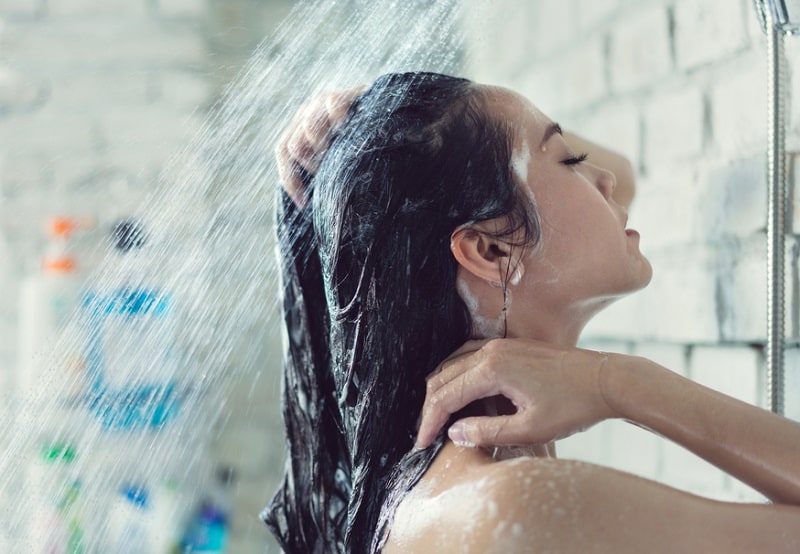
Hot water opens up the hair cuticle, causing color molecules to escape. On the other hand, cold water helps to keep the hair cuticle closed, which keeps the color locked in for longer.
Many of us use hot water for washing hair in winter, which makes hair color fade quickly. For your comfort, you can wash your color-treated hair with lukewarm water first and use cool water for the final rinse at the end of a shower to seal the cuticle.
5. Avoid Heat Styling Tools
Hot styling tools like blow dryers, flat irons, and curling wands can damage hair significantly over time, leading to dryness, breakage, and an opened cuticle layer. This lifted cuticle allows color pigments to leak out at a quicker rate, so make sure you are using a heat protectant to keep your color from fading.
The more you use hot tools on your hair, the faster vibrant dyed color gets faded. Protect your hair color by letting hair air dry when possible or using lower heat settings.
So, the best way to reduce fading is to limit heat treatments and try new wash and wear styles that let your hair dry naturally. Save the hot tools for special occasions or once a week, and enjoy wearing your color at its best for a few days.
Also, don’t forget to apply heat protectant before applying heat for styling.
6. Use Sulfate-Free Shampoo and Conditioner
Using a sulfate-free salon-quality shampoo and conditioner is super important for your color-treated hair. Sulfates are harsh cleansers that strip color. Using these shampoos regularly can seriously speed up color fading!
Using a gentle, moisturizing, sulfate-free shampoo and conditioner helps lock in color pigments and prevents fading.
7. Protect Hair from the Sun

There are also environmental factors to consider when it comes to fading. The sun’s ability to fade anything is unsurpassable, and your hair is no different.
It’s best to wear a hat or scarf to protect your hair from sun damage as much as possible. If it is difficult to maintain this, you can use hair products with UV ray protection from the sun’s rays.
8. Use a Swim Cap
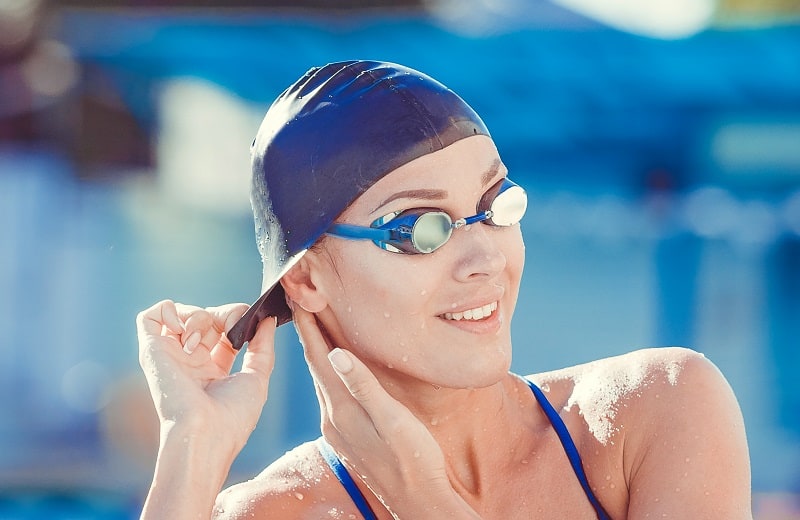
In summer, you need to be particularly mindful of your hair and the conditions that your hair encounters, especially if you swim a lot. Chlorine in the water of swimming pools is a type of bleach, and that is exactly what it will do to your color.
If you do find yourself swimming a lot, it is advisable to either wear a swim cap or at least use a leave-in conditioner to help form a protective barrier around your hair.
After a swim, a gentle after-sun or chelating hair cleanser removes chlorine and sea minerals before they dull the color; Kirsty recommends the Aveda sun care range for this.
9. Deep Condition Weekly
Dry, brittle strands fade fastest because the cuticle layer becomes cracked and porous over time from lack of moisture.
You can prevent this by treating colored hair to a weekly deep conditioning mask. The thick, ultra-hydrating formula fills in gaps in the cuticle and seals hair’s outer protective layer to prevent color molecules from escaping.
Damaged hair soaks up moisture from the hair mask like a sponge to smooth down the cuticle and boost shine for maximized color retention.
10. Wash Hair Less Frequently
Every time you wash your hair, some color pigments are stripped from your hair. When hair is washed too frequently, it causes the color to fade out in a shorter time frame.
So cutting back on daily washing gives hair dye more time to adhere fully to hair strands for maximum staying power and shine.
11. Install a Showerhead Filter
Installing a filter on your showerhead can help reduce chlorine and some metals in your water that damage hair and cause color fading.
Filters are inexpensive, easy to install, and can make a real difference in keeping hair color vibrant for longer.
12. Get a Color-Sealing Service
Some salons offer an add-on color-sealant service following hair dye treatments. Opting for this polymer color sealant adds an extra layer of protection that blocks hard water minerals, chlorine, and other elements from stripping out your expensive color job too quickly.
Apart from salon service, you can also use a hair color sealer at home, as nowadays many brands offer hair color-sealing masks and shampoos for home users also.
How To Touch Up Faded Hair Color?
As we mentioned in this article, there is no way to completely prevent your hair color from fading. Your new hair growth will also be visible after several weeks. So how would you touch up the faded hair color?
Here are the steps to touch up faded hair color:
1. Assess Your Hair’s Needs
Take a good look at your hair. Identify where the color has faded the most and where new growth is visible.
This step is crucial because it determines your approach, whether you need a full head touch-up, just a root touch-up, or a combination of both.
2. Selecting the Right Color
If you’re touching up roots, use the same shade and same type of color you used for coloring your hair. The final hair color may not match if you use a hair color from a different brand.
For faded sections, you might choose the same shade or one darker, as color tends to fade.
3. Apply the Color
If your roots are showing, apply the product only to the new growth, carefully following the instructions. Some products come in a spray or powder form for an even easier application.
For overall fading or specific sections of hair, a semi-permanent color can be gentler on your hair than a permanent one.
If you used permanent color on your roots, use a semi-permanent on the ends to refresh them.
Apply the color evenly across your hair, starting from the areas that have faded the most. Be mindful of the time (leaving the color on too long can lead to overly dark or saturated colors). Before any at-home color, do a 48-hour patch test and a strand test, and follow the timing on your product’s label.
How to Maintain Different Hair Colors
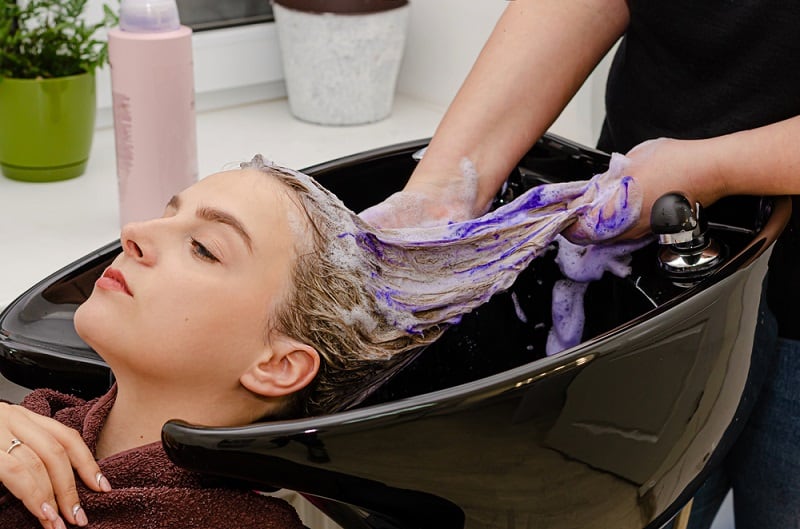
Every hair color has different maintenance needs. For example, hair that has been lightened does not fade. It’s likely the toner that you are seeing fade.
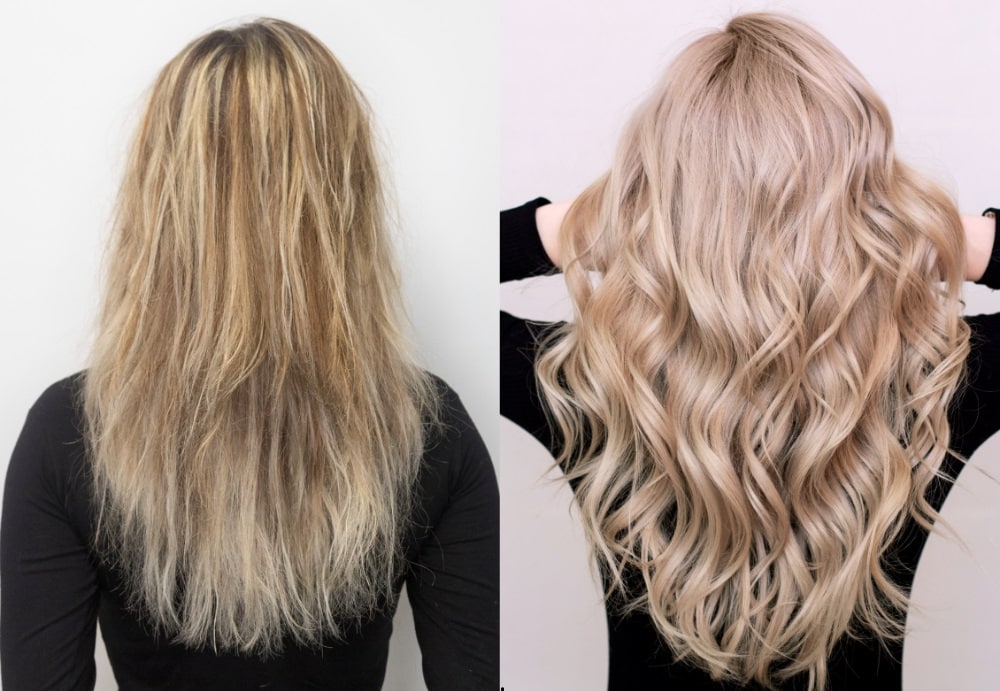
To maintain blonde hair, it is advisable to use a good quality purple shampoo for color correction and a good quality conditioner to maintain the hydration of the hair. It is also advisable to use a hair mask once a week to keep the cuticle lying flat, smooth, and sleek and unable to allow the molecules of pigment to fall out or escape.
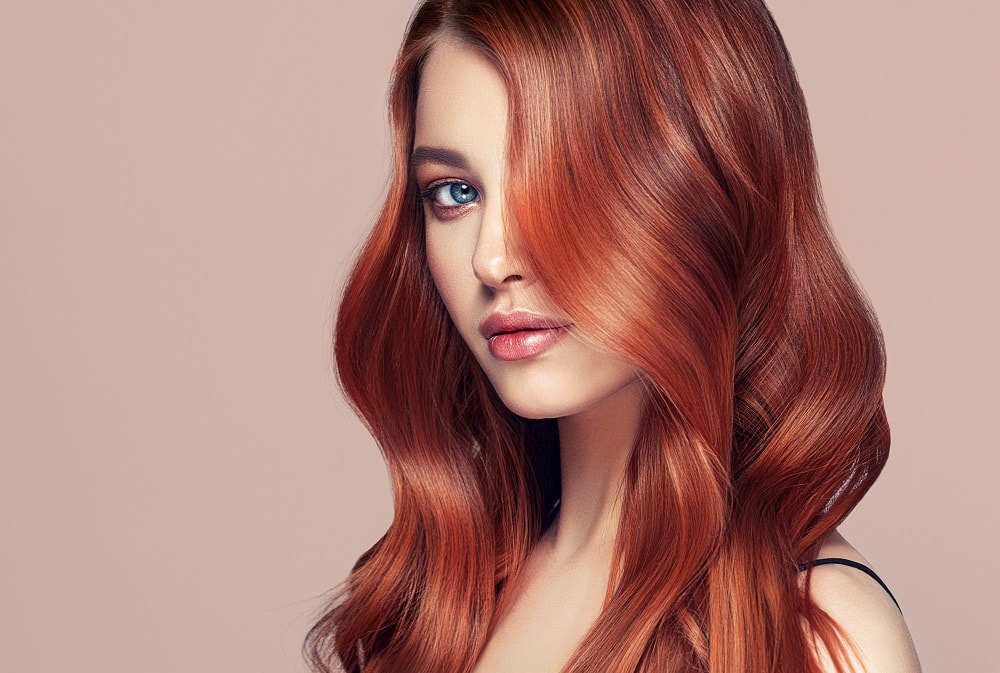
Red hair is particularly prone to fade, as the molecules are large and able to fall out a lot easier. That’s why it’s very important to keep the hair porosity equalized before applying the color. If you have colored your hair red, you can use color-depositing shampoo to deposit red pigments on your hair!
There is also a lot of difference in the quality of colors that are applied to people’s hair. Using a good quality color and the right level of developer makes a real difference in how long the color lasts.
The developer strength and type of color chosen also affect how long the result lasts, so it is best to follow the directions on your product or ask your colorist which developer suits your goal.
Now you know all the tricks of maintaining your newly done hair color and keeping it from fading.
Factors That Influence Hair Color Fading
There are several factors that can affect the longevity of the hair color. These factors can be categorized into pre-coloring factors, hair color type and coloring technique, post-color hair care routine, and external factors.
Pre-Coloring Factors
The longevity and vibrancy of hair color depend on several factors even before applying the color to your hair. Here are the pre-coloring factors that influence the longevity of hair color:
- The condition of your hair before coloring is vital. Healthy, well-moisturized hair holds onto color better and for a longer duration compared to damaged, dry, or brittle hair.
- Highly porous hair may absorb color quickly but also lose it rapidly. Conversely, low-porosity hair might resist color absorption.
- Your natural hair color also influences whether the color has to lift your natural shade or simply deposit on top of it, and how long it will last. Darker hair might require extra lifting or longer processing for effective coloring, which can also influence how the color fades over time.
Hair Dye Type and Coloring Technique
The type of color and the technique used for coloring your hair determine how long it will take to fade.
- Permanent hair dye generally holds for about 6-8 weeks before fading becomes noticeable, whereas semi-permanent dyes start to fade after a few washes and demi-permanent dyes last around 24 washes. If you used a color lighter than your natural shade you will notice the fade more than if you matched your natural, and color used for gray coverage can also fade more noticeably.
- If you have lightened your hair using bleach, it will not fade or darken over time. However, the toner used on bleached hair may experience fading, and the hair returns to the level it was lifted to, so the natural pigment at that level shows through again. Getting the correct amount of lift is essential.
- Hair color can start fading quickly and unevenly if it’s not left on the hair long enough to process or applied unevenly on the hair. Follow the recommended processing time and make sure the application is even.
Post-Coloring Hair Care Routine
How you take care of and style your hair after getting your hair colored is one of the most important factors that affect the longevity of your hair color. These are the post-coloring hair care and styling factors:
- The frequency of washing your hair determines the longevity of your hair color. Frequent washing can cause the color to fade more quickly.
- Use cooler water when you wash.
- The types of hair products used can affect hair color. A color-care shampoo helps lock in color and shine for longer; Kirsty uses the Aveda color care range in her salon (her recommendation, not a sponsorship: HairstyleCamp has no affiliation with any brand named in this article).
- Regular use of heat styling tools can accelerate color fading due to heat damage. Always use a heat protectant.
External Factors
There are several other external factors, such as environmental exposure, weather conditions, exercise habits, etc., that are also important factors in hair color fading. For example:
- UV rays can break down color molecules, while chlorine and pollutants can strip color, leading to rapid fading.
- Humid weather or physical exercise can make your hair sweaty and speed up color loss.
- Hard water, with its high mineral content, can deposit on the hair, making the color appear dull and fade faster.
By understanding these factors, you can take steps to delay the fading of your hair color.