

Coloring hair often starts with the best of intentions. The result, however, might leave you questioning what on earth you were thinking in the first place. If your hair color turned out to be too light, you can tone it down and get what you wanted.
Picture this: You chose a dye based on the hue displayed on the packaging. You followed the instructions word-for-word, including being extra careful not to over-process your hair color.
Despite your best efforts, the shade of blonde hair you’re staring at in the mirror is several times lighter than what you expected.
Now, what? Do you get another box dye kit and attempt the whole process again with a darker hue? Should you wait it out and see what it looks like after a few washes?
Here’s everything you need to know about how to tone down hair color that’s too light.
Before touching over-lightened hair, senior stylist Emma Baxendale always asks one question first:
I always ask the client first if they are happy with their lighter hair color result. Sometimes, if it’s gone lighter than expected, they actually quite like it. If they feel their hair color is too light, we can easily fix this by applying a darker toner, or even adding some lowlights.
How to Tone Down Hair Color If It’s Too Light
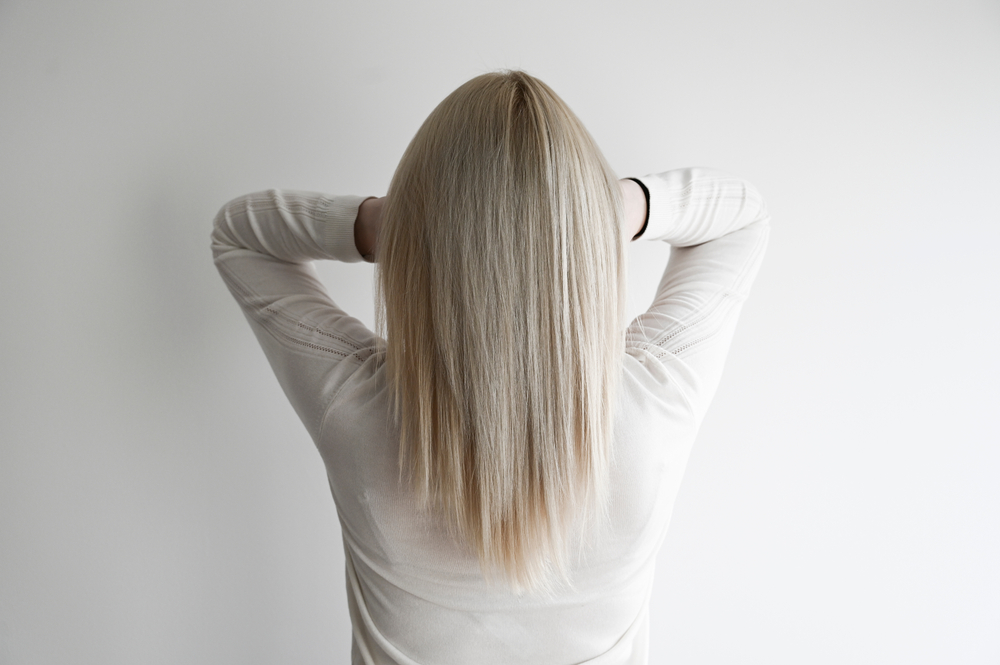
We’ll start by saying this: ‘lightening‘ is the sugar-coated term for bleaching. For you to end up with hair that’s too light, it is likely because you bleached it more than needed. At the risk of stating the obvious, bleaching hair is an extremely aggressive and damaging process.
Before you attempt to tone down your hair, ask yourself this: Is this the right time to do it, or should you wait a while before subjecting it to any more abuse?
If it feels brittle, breaks easily, or develops split ends, give it some TLC first. The good news from our stylist: an acidic demi-toner is actually fine on damaged hair, and even conditioning, since it helps rebalance the hair’s pH. Just know that porous, damaged lengths drink pigment quickly, so the result can grab darker and faster than you expect.
In the same way, you wouldn’t force someone who’s just had open heart surgery to run a marathon days after their procedure; you shouldn’t attempt to tone down your freshly bleached hair, especially if you notice signs of damage.
We’ll go as far as to say that even if your hair appears to be doing just fine, we recommend waiting a couple of days before you do anything else to it. With that out of the way, we’ll look at a few popular ways to darken light hair color.
Method 1: Hydrate Your Hair Before Correcting
Before you bring out the big guns, you should try at-home methods to get your hair ready for a color correction. Here is one gentle option.
Olive and Coconut Oil Mixture
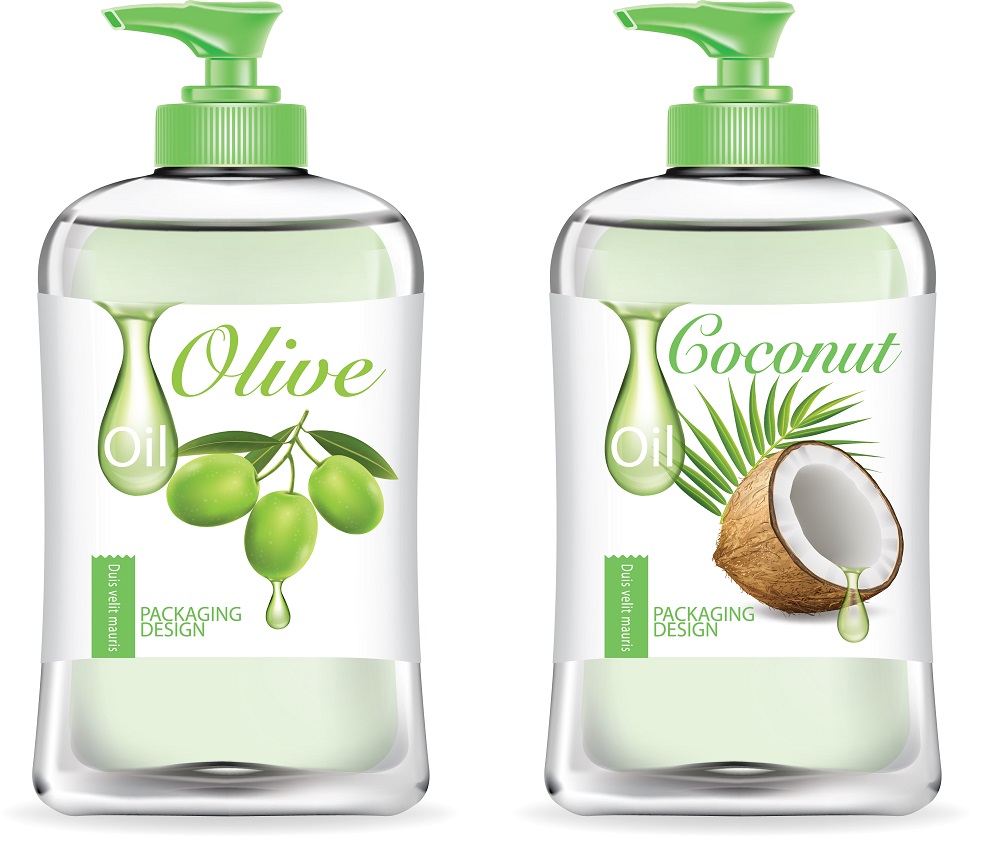
The great thing about this technique is that the oil mixture is not only nourishing for your hair but also helpful if your hair feels dry after bleaching. It will not darken your hair color, but it can help your hair feel softer before you do a proper color correction. Here’s what you need to do:
- Mix 1:1 parts olive oil and coconut oil in a glass bowl.
- Heat the mixture in the microwave or in a pan.
- Let it cool to lukewarm, and then apply it to clean, damp hair.
- Cover with a cap and leave it on for as long as you can (overnight if possible).
- Rinse off the oil with warm water.
- Shampoo and condition your hair as usual.
Safety Warning: Oils heat rapidly and unevenly. Always test a few drops of the oil on the inside of your wrist to ensure it is comfortably lukewarm before applying it to your scalp to prevent severe burns.
Repeat this three times a week to help restore moisture. This will not make your hair darker. The main benefit of this method is how gentle it is on your hair.
Method 2: Professional Color Correction
Despite your best efforts to use the techniques we’ve outlined so far, your dyed hair color is still too light. Color correction might be your only option to tone it down. One way would be to use a brunette or dark-blonde color-depositing conditioner or mask to deposit darker pigments. Always do a strand test first.
The other option would be to go to a salon and have a professional give you lowlights, a root smudge, or a reverse balayage to create a more natural look. Professional color correction can be a costly service (often $150–$300+).
If your issue is brassiness (too warm or yellow), purple toning hair products can help shift the tone cooler, but they won’t make your hair darker. For a quick darker-looking result, use a dark-blonde color-depositing mask or conditioner; skip full brunette masks on blonde hair, as the result usually turns muddy. Another quick fix would be to use a cover-up spray or a color-blend concealer to tone it down.
Prevention Before Cure
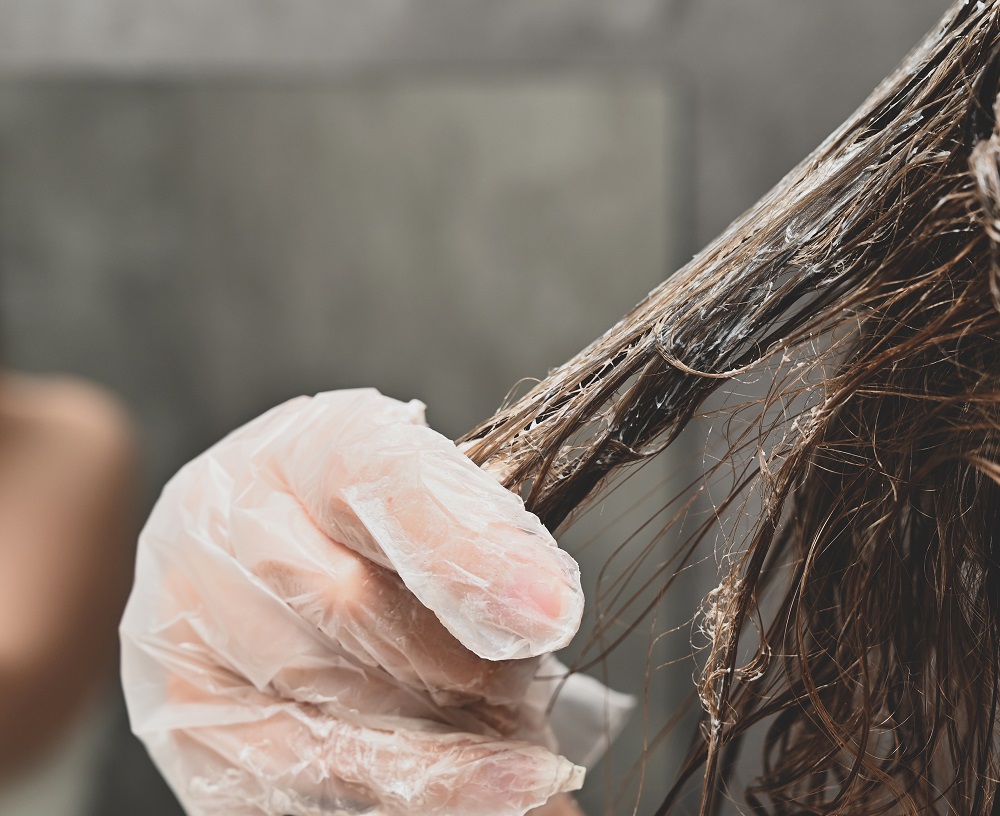
Now that you know how to tone down hair color that’s too light, remember: It’s easier to prevent a problem than it is to correct it.
Emma on why box-dye lighteners so often overshoot:
Most of the time, a box dye won’t specify the strength of peroxide used in the kit and give generic instructions and misleading images about the results you will achieve. If your natural hair is already fairly light and you have left a strong developer on for the maximum amount of time, you may have a result that is much lighter than what you want. Safely correct this by using a darker demi-toner; do not use anything that is going to lift your hair even more!
Always do a strand test on the hair in the middle of your head. Let the hair dye sit for the prescribed time before rinsing it off. Then, wait 24 hours to see whether you get the desired hue before coloring your entire head.
Too light is one of the easier color problems to walk back: a darker demi-toner or a few lowlights will do it without punishing the hair. Decide whether you actually dislike the result first, then correct gently and let prevention carry the next appointment.