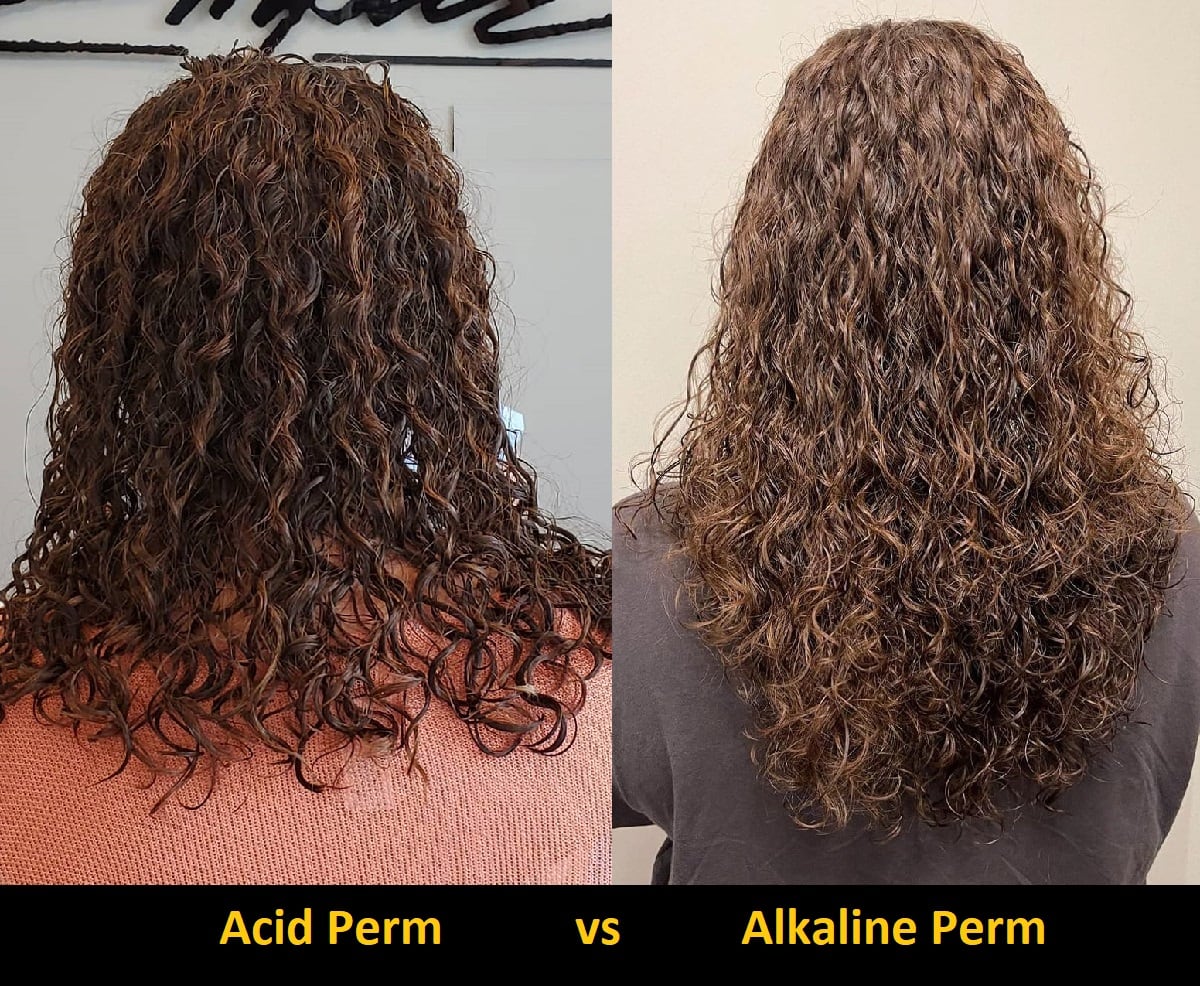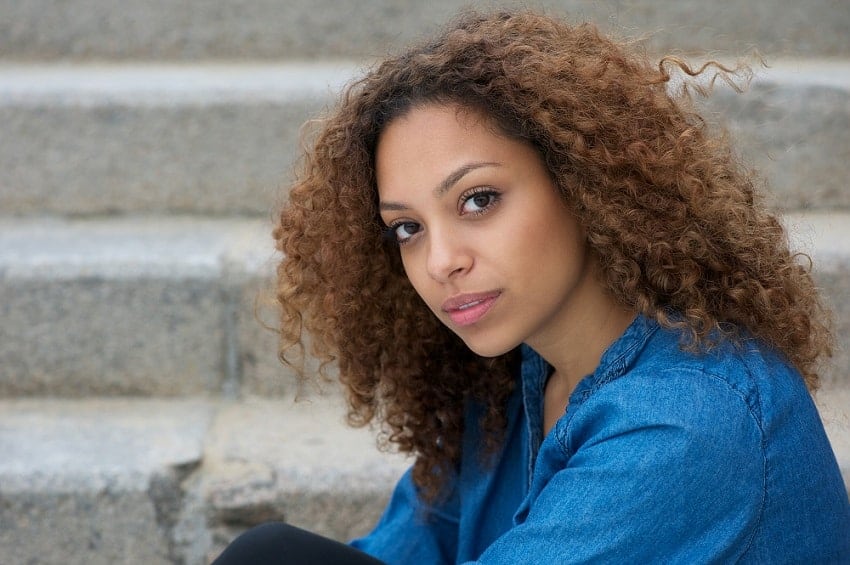


Have you ever walked down the street and seen a woman with glorious, bouncy, healthy curls and wondered, “Is that a perm, or is that natural? If it’s a perm, can my hair get that too?”
Perms nowadays have become so sophisticated that, when they’re done right, it can be hard to tell if it’s a perm or if it’s natural. In this post, we’ll talk about perms, what makes a good one, and how to spot the difference between natural curly hair vs. perm hair.
What Is a Perm? (And Should You Get One?)
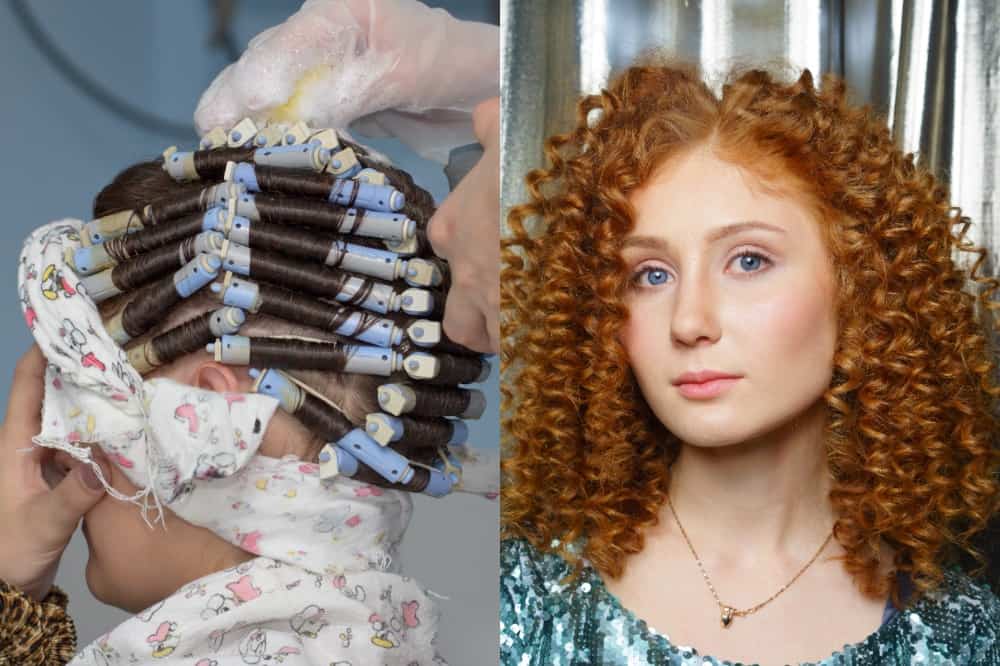
A perm, also known as a permanent wave, is the process of chemically altering the structure of your hair from straight to curly. Despite the name, a permanent isn’t forever. Most perms last between three and six months.
To create a perm, a stylist wraps the hair around rods and applies a reducing lotion that chemically breaks the hair’s inner bonds, allowing it to take a new shape. Once the hair conforms to the rod, a neutralizer is added to rebuild those bonds and lock the curl into place.
While you can use a purchased kit for an at-home perm, extreme caution is required, as improper use can cause severe chemical burns and hair breakage. Always follow the manufacturer’s safety instructions, ensure proper ventilation, and perform a patch test.
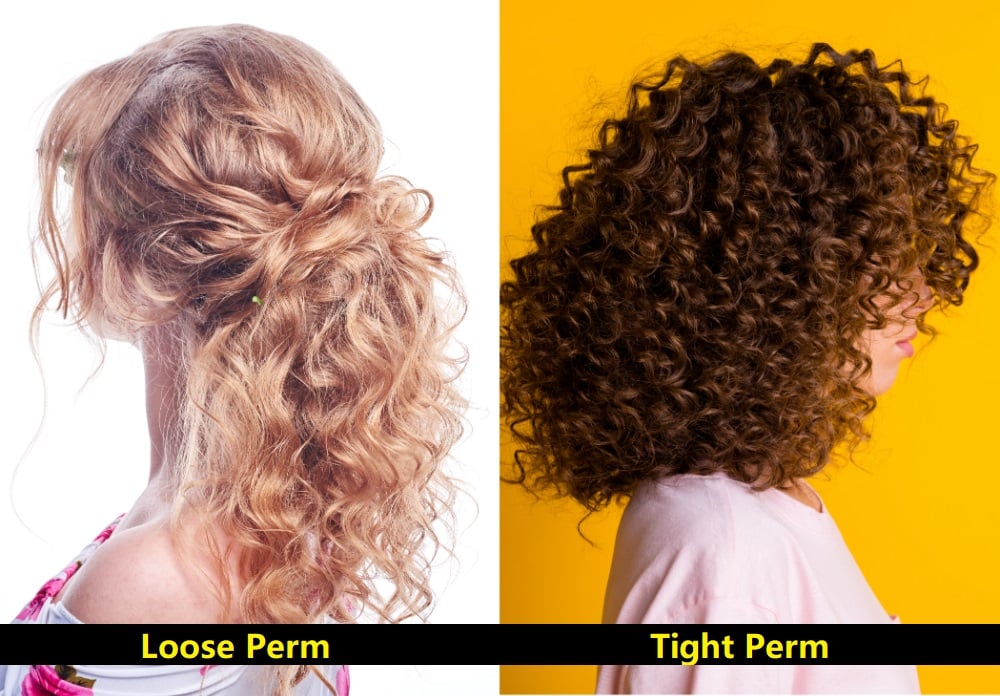
People use perms and perm rollers of different sizes and materials to create everything from tight uniform ringlets to soft and subtle waves.
Is a Perm Bad for Your Hair?
Getting a perm can be less damaging than heavy bleaching, but it still involves strong chemicals that alter your hair’s internal structure and can cause damage or irritation. In particular, the process can weaken already dry or damaged hair. If your hair is damaged or brittle, you should avoid perms until you’ve restored your hair to a healthier state.
Natural Curls Vs. Perm
As perms become more and more evolved, it can be tough to spot the difference between a perm and natural curls. Hairdressers will make curls in different lengths and sizes to give it a more natural look. However, you can usually spot a perm with a few tell-tale signs.
Uniform Curls
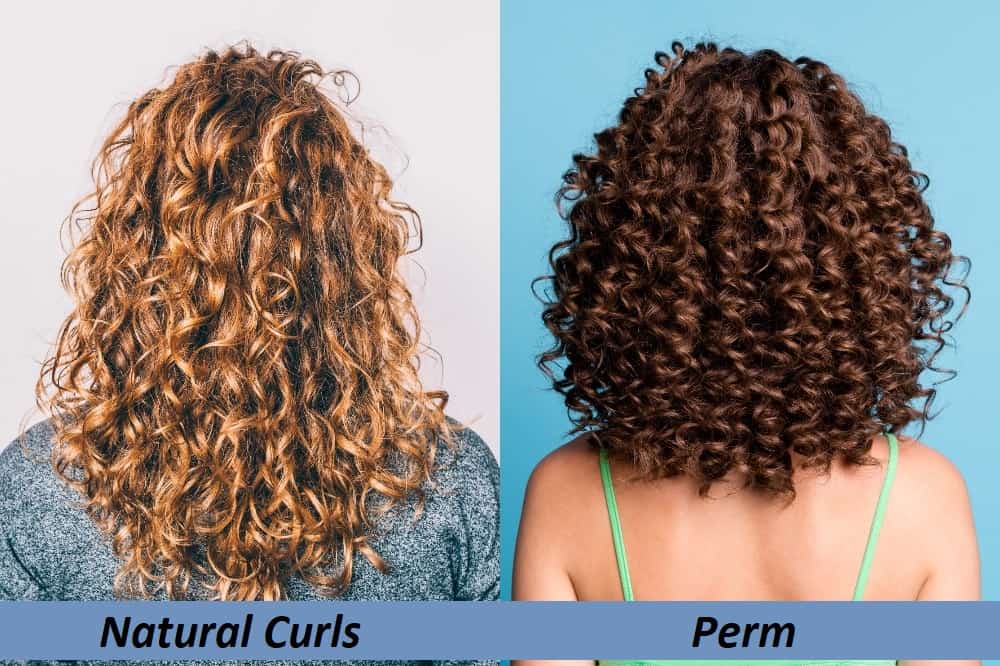
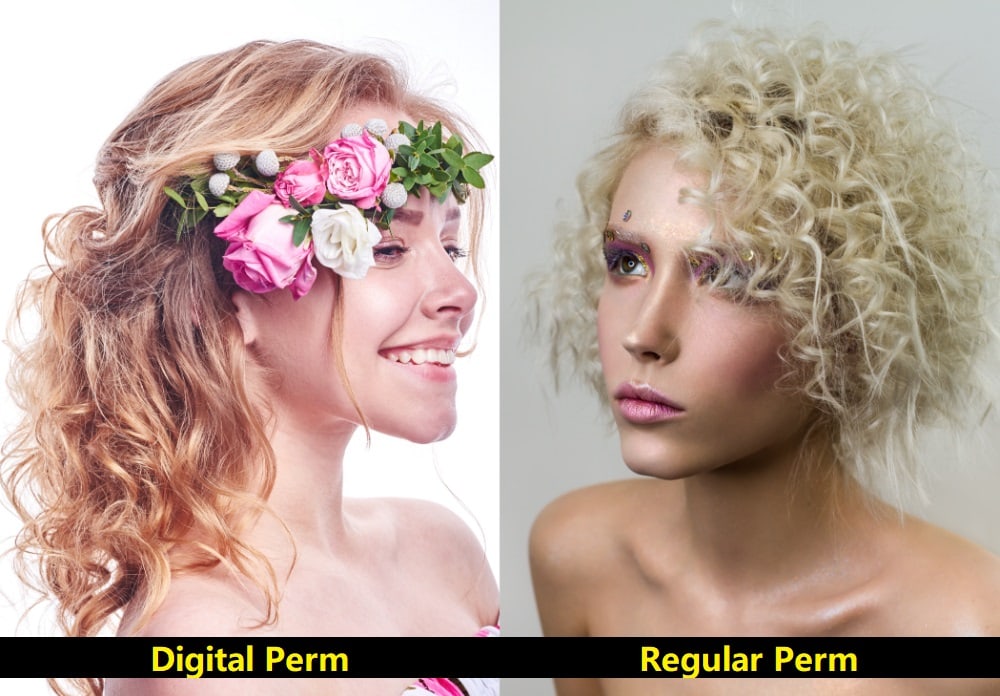
People still have the option to get what’s called a “regular” perm, which is where all of the curls are the same size and same shape. Uniform curls are usually an indicator that someone has gotten a perm and doesn’t have naturally curly hair.
Texture and Porosity
While naturally curly hair is prone to frizz because natural scalp oils struggle to travel down the coiled hair shaft, perm dryness looks different. Because the perm process highly sensitizes the hair and increases its porosity, permed hair often looks structurally dry or feels brittle at the ends if not intensely conditioned, whereas natural curls may just lack moisture.
Straight Roots
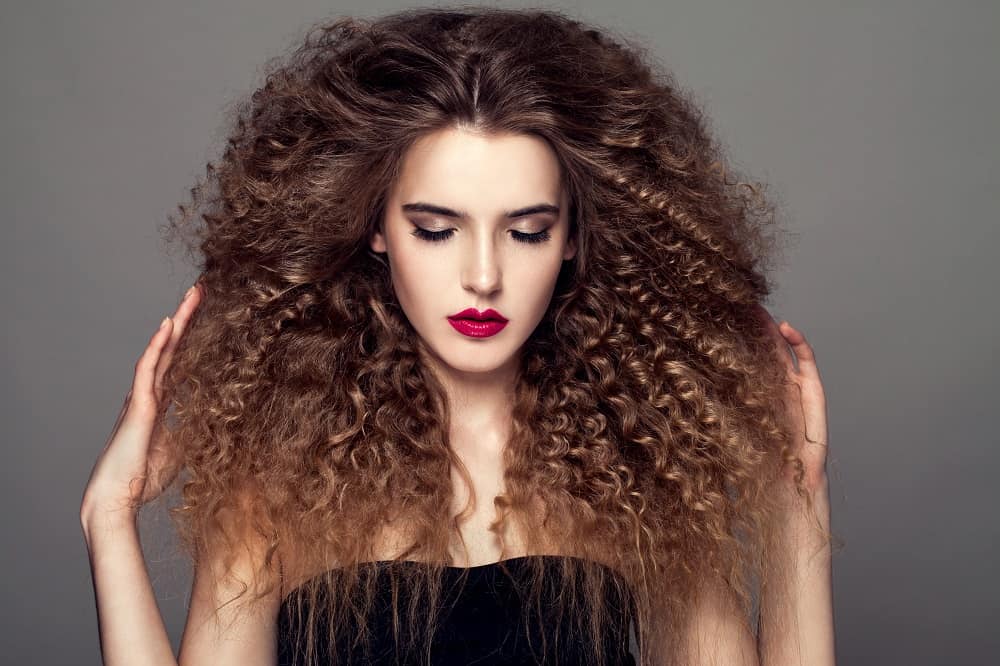
The clearest sign of a perm is a visible line at the roots. The chemical process changes only the treated hair, not the hair follicle. As new hair grows in, it keeps its natural texture. After a few months, a clear line appears where the straight roots meet the curled lengths.
Lines and Bends
Another big sign that hair isn’t naturally curly is a bent or folded appearance. If you spot these unnatural crimp-like bends or lines in someone’s hair, they probably got a perm that was wrapped improperly.