
Perms are gaining popularity, but what if you grabbed a home kit and a willing friend, but now you have a head full of frizz? Or you went to a stylist but instead of beach waves, you got spirals?
If you have a bad perm, you might just be wanting to grab a pair of scissors and get rid of the trauma. Before you do that, though, there are actually a few ways that you can fix a bad perm! So hold on, breathe, and keep reading.
What Does A Bad Perm Look Like?
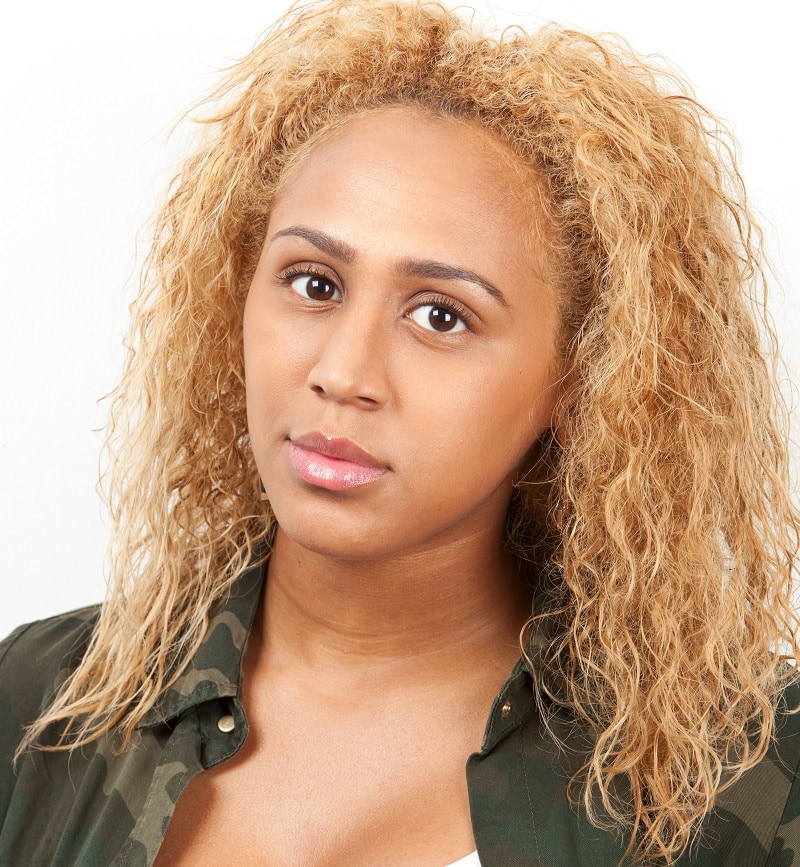
A bad perm is usually frizzy. So instead of having defined curls, you come out with a halo of frizz around them, at the least, or no curls at all. There are also scenarios in which you might have straight ends with frizzy or curly hair.
Sometimes the perm doesn’t take, and your hair looks as straight as it did before, or has bends instead of curls. If your curls come out, they might be tighter than you expected. Whatever the case, there’s usually a fix.
What Can Ruin A Perm?
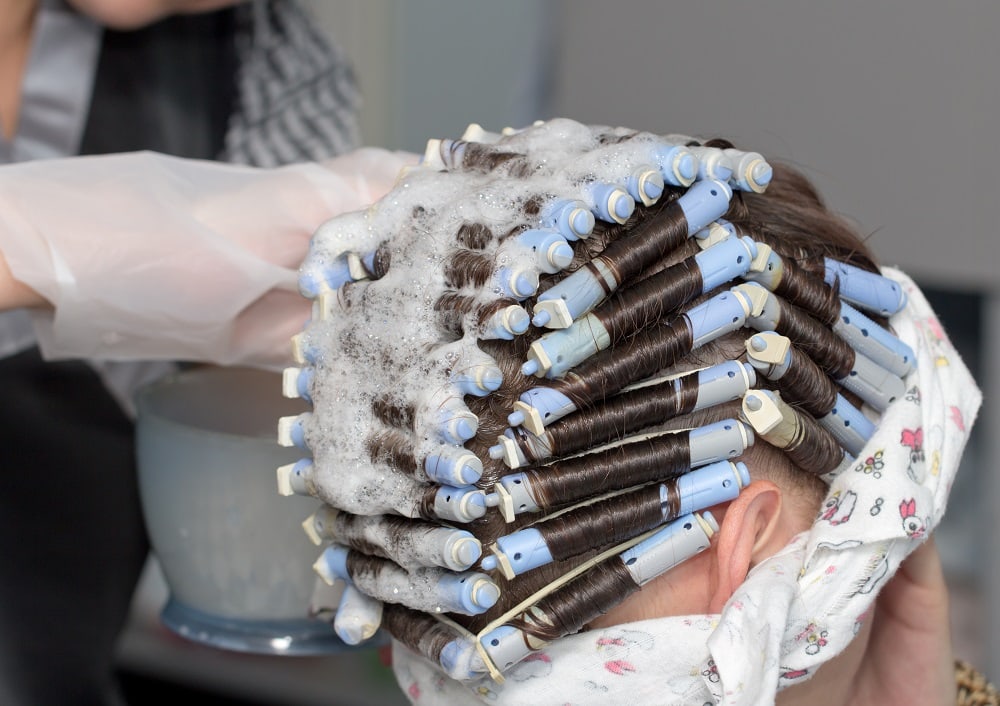
Several things can ruin a perm. Here are some of them:
- The perm solution was too strong or too weak. A stylist should take into consideration the condition of your hair before starting. If they choose a stronger or milder solution than you need, your perm won’t come out correctly. If the solution is too strong, frizz will result. If it is too weak, your hair might not curl or the curls will be uneven. If the perm didn’t take, consider yourself lucky! That’s way better than a head full of frizz.
- If the stylist left the solution in for too long, your hair might be damaged and dry as a result because your hair cuticle is worn away in parts. This causes porous hair that can’t hold on to moisture. That means excessive frizz.
- The perm solution did not completely saturate the hair. If this happens, the ends of your hair will be straight, even if the rest is curly.
- The rollers were not tight enough. If this happens, the rollers will move during the process, and you might end up with unpredictable bends in your hair instead of curls.
- The stylist’s rollers were too small, so the curls are very tight and look weird.
- The ends are frizzy. This can happen if the stylist didn’t trim your ends prior to starting the perm, or if they neglected to use end papers.
What to Do if You Got a Bad Perm?
Start with the salon. A bad perm done professionally should not become your burden to fix. Call, come back in, and talk it through with your stylist. A good salon will make a plan with you, often including complimentary corrective products at no charge. It is also worth asking whether the perm is truly bad or simply not what you pictured; if the curl is healthy and even, the fix may be styling rather than chemistry.
At home, the best thing you can do for a bad perm is moisturize and seal. If your curls are too tight, making sure they are well-hydrated can make them looser.
Even if you have a lot of frizz, that’s happened because your hair is dry or damaged and is standing up, seeking moisture from the environment.
So hydration is one of the best ways to fix a bad perm. There are other ways, too. Each will depend on the problem.
Can You Fix A Bad Perm Without Damaging Your Hair?
Yes, a bad perm can be fixed in several ways that are healthy and non-damaging:
Fix a Frizzy Perm
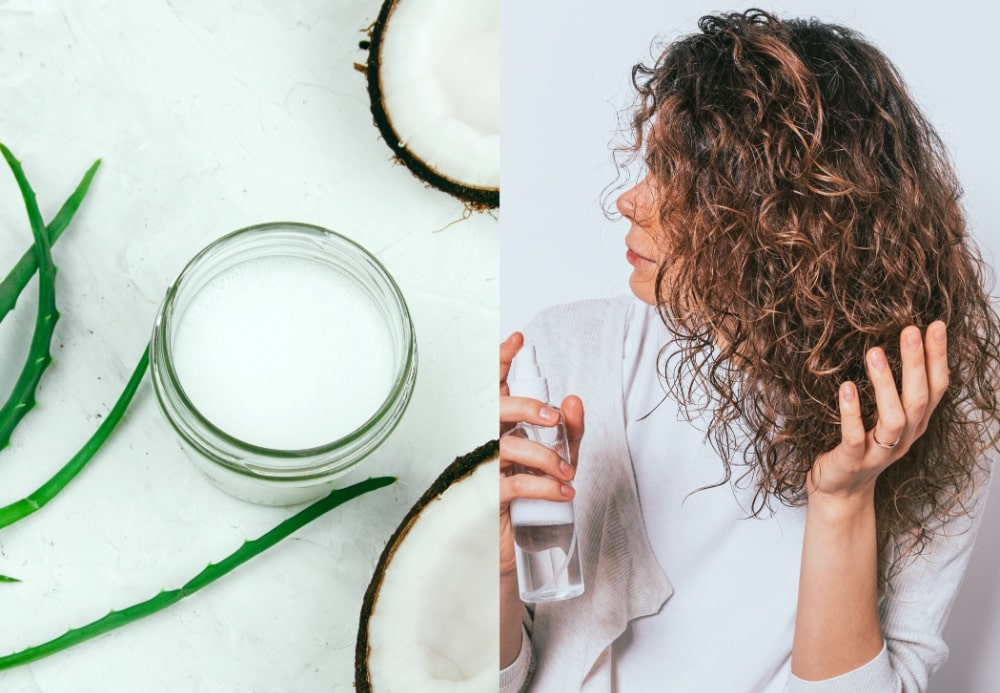
If your hair comes out frizzy, you can use a combination of oil treatments, moisturizers, bond-building treatments, and hair sealers to tame the frizz and get your hair close to its normal state. This is a routine that will help normalize your hair.
- Once or twice weekly, use coconut oil as an overnight hair mask. It penetrates into the hair shaft and helps balance the moisture level if your hair is porous.
- In the morning, use a bond-building treatment, followed by a moisturizing hair mask. Look for modern “bond builders” that use ingredients like bis-aminopropyl diglycol dimaleate or peptide-based repair technology, then finish with a deep conditioner for softness.
- If you want a simpler routine, skip DIY blends and use a gentle, fragrance-free conditioner plus a leave-in moisturizer. This helps reduce dryness without leaving residue behind.
- You can seal in the added moisture by using a heat protectant that contains silicone whether or not you use a blow dryer on your hair afterward. Silicone creates a light film that helps seal in the moisture until your next wash.
Loosen Curls That Are Too Tight
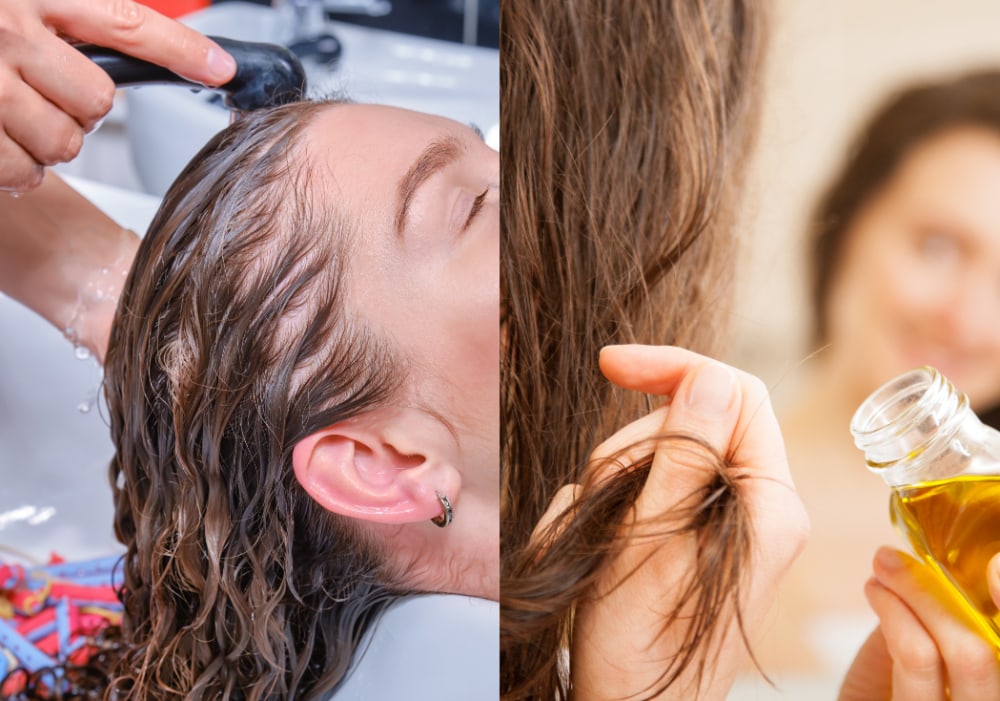
There are a few things you can do to get beach curls instead of tight spirals:
- If you just got the perm, washing within 24 hours can help loosen curls that are too tight.
- You can also try coconut oil treatments to loosen your curls. Coconut oil absorbs well into the hair shaft and can make your hair heavier, reducing the tightness of the curls. Use it as an overnight treatment by saturating dry hair with oil. Cover your hair with a shower cap and wrap a towel around your head to keep the oil from leaking too much. In the morning, rinse the oil with warm water, then wash with shampoo.
If you choose a clarifying shampoo to help loosen a fresh perm, it can leave hair dry and frizzy. Follow immediately with a bond-building treatment and a deep conditioner.
Curl Straight Ends and Smooth Bends
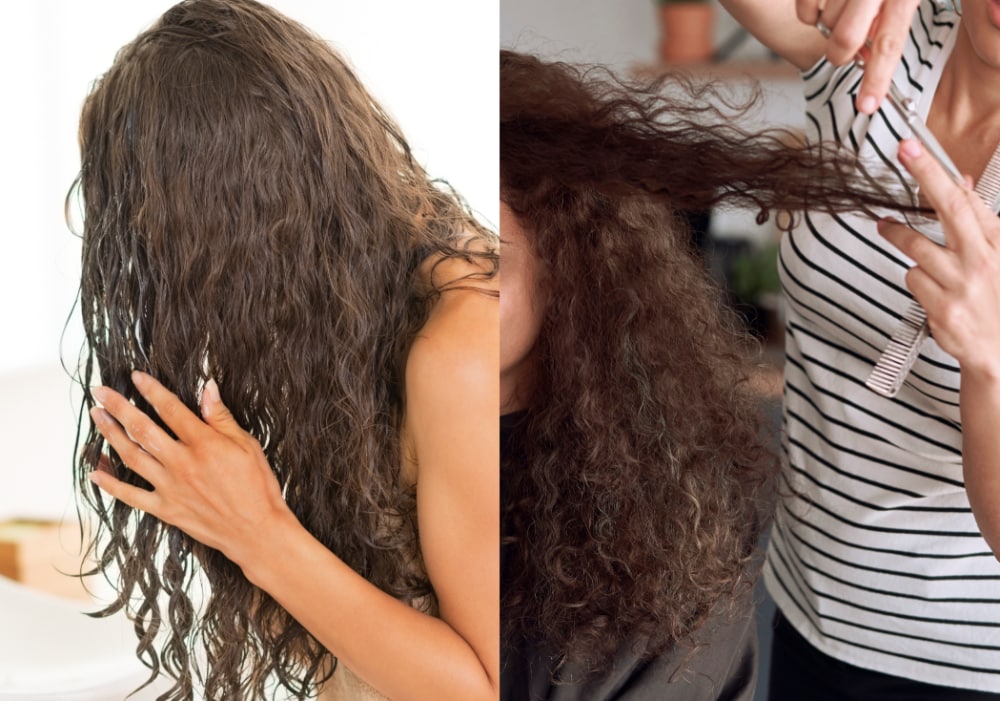
If any part of your hair is under-processed, you can use heat to make it more uniform or remove the curl completely.
- The best way to do this after receiving a perm is to deep condition your hair first with a protein mask. This will help repair your hair from the chemicals and prepare it for heat. Then apply a conditioning heat protectant. Blow-dry your hair and style it with a heat tool uniformly to remove straight ends and bends.
- The simplest way to get rid of straight ends, however, is simply to trim them. Trim half the length of the straight tips and the rest should curl slightly, making the straight tips less noticeable.
What’s The Quickest Way to Get Rid of A Bad Perm?
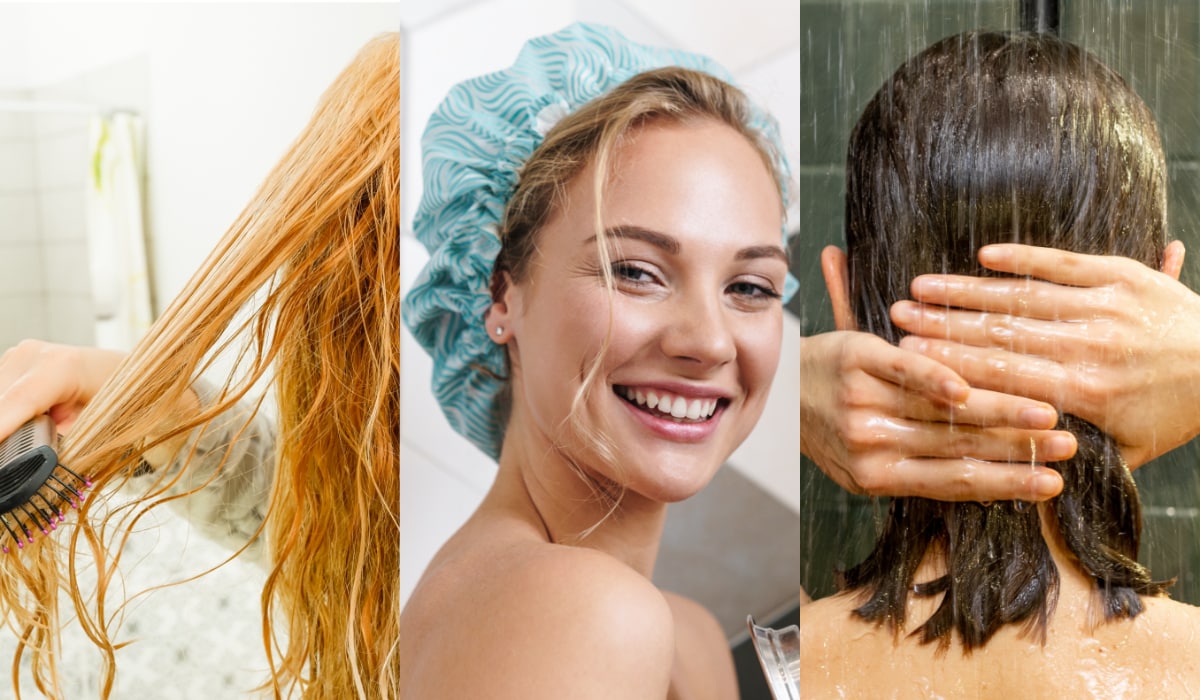
Do not put perm solution on your hair again at home to try to make it straight. Chemically treated hair is very weak, and this can cause heavy breakage or scalp burns.
Never use a regular relaxer on permed hair. This includes lye (sodium hydroxide) and no-lye relaxers (calcium or guanidine hydroxide). Mixing these chemicals can make hair break right away.
If you want chemical straightening, talk to a licensed professional first. In some cases, a thio-based straightener may be used. A regular relaxer should not be used on permed hair.
Medical guidance: DermNet NZ: Allergy to glyceryl monothioglycolate (acid perming solution).
The quickest and safest way to get rid of the frizz or curls of a bad perm is a corrective appointment with a licensed professional.
Corrective chemical work is risky and can easily cause more damage. If you want a change fast, it’s still better to get expert help rather than adding more chemicals at home.
Most stylists will want to assess your hair’s strength before doing another chemical service. In the meantime, here are safer steps you can take:
- Book a corrective service consultation with a licensed cosmetologist.
- Ask about curl softening options and whether your hair can handle any corrective work right now.
- Use a bond-building treatment once or twice weekly, followed by a deep conditioner.
- Detangle only with your fingers or a wide-tooth comb. Avoid high tension.
- Avoid heat styling if your hair feels gummy, stretchy, or snaps easily.
- Trim damaged ends if they are splitting or breaking.
- Sleep on a satin or silk pillowcase to reduce friction and frizz.
- Keep styles loose. Tight ponytails and buns can worsen breakage.
- If your scalp is sore, burning, or scabbing, stop all treatments and seek medical care.
- Air dry when possible. If you must blow-dry, use low heat and a heat protectant.
There is no safe at-home chemical shortcut to “relax” a fresh perm. If you want straighter hair, talk to a licensed professional about the safest path for your hair type and your hair’s current condition.
How to Fix a Perm Gone Wrong Without Cutting Your Hair?
It’s tempting to grab the scissors if you have a head full of frizz and straight ends, but before you do, try following the routine to tame frizz. It could help out a lot. It’s time-consuming and might not be the hair care routine you envisioned, but it might save you from having a new buzz cut.
Also, try not to wash your hair more than twice a week. Shampoo is inherently drying and can double a frizz problem easily. Always condition after you shampoo, and leave the conditioner in your hair for at least five minutes, if you can.
Examples of Bad Perm Pictures
Perms can get pretty bad when done incorrectly. Your stylist should be able to show you pictures of perms they have done in the past. You can also ask the stylist how many years they have been doing perms.
Plenty of hands-on perm experience shows proper familiarity with the chemicals and the likely outcome, so your perm is more likely to come out well.


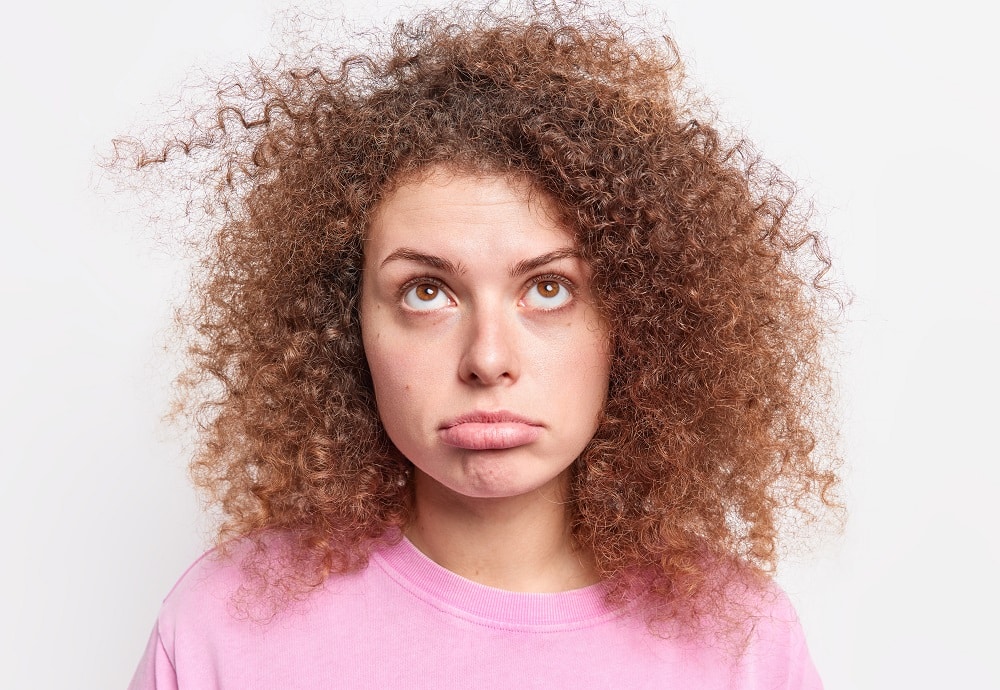

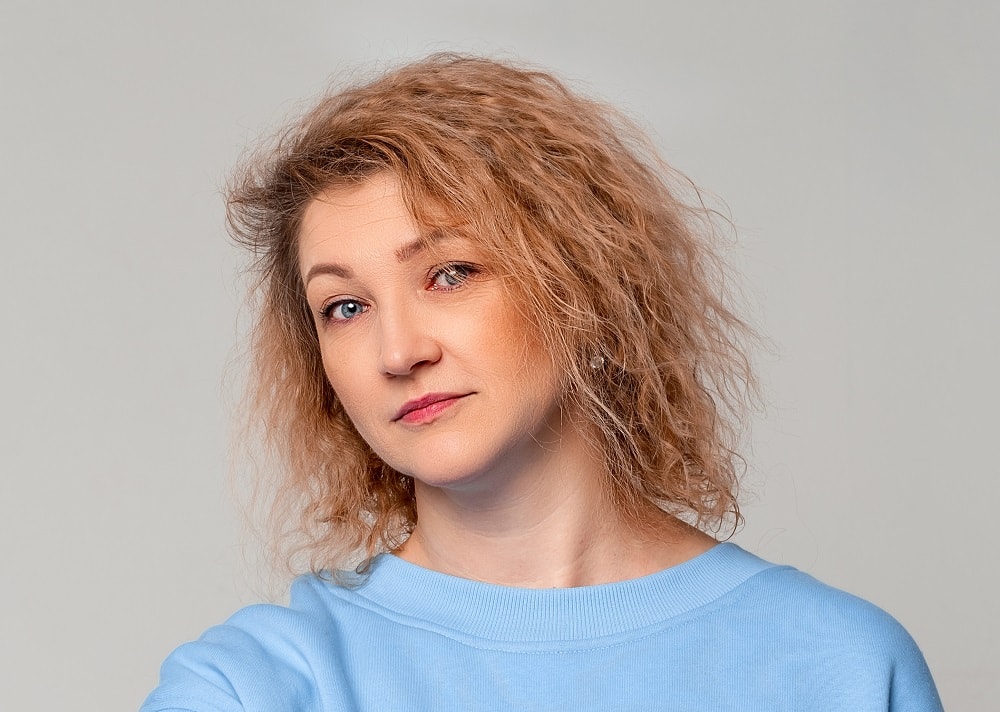
It’s always a good idea to bring your stylist pictures so they can see exactly how you want your perm to be at the outset. This lowers the chances that you’ll have to fix things later.
Because a perm changes the structure of the hair, the damage it causes can’t be removed entirely. If you hate your perm, you can try to remedy the situation, but it won’t actually remove the perm, and your locks won’t go back to the way they were before.
You can only try to get them closer to the way you wanted the perm to be. So basically, avoiding the problem is better than trying to fix it.