

Are you tired of your regular brown hair and looking for a change? If so, dyeing your hair a trendy new color like silver might be just what you need! But have you ever wondered what happens if you put silver dye on brown hair?
Don’t worry if you’re unsure! We’ve put together everything you need to know about applying silver hair dye to brown hair, including the steps to take beforehand and the results you can expect.
Asked for the honest route from brown to true silver, senior stylist Emma Baxendale doesn't sugarcoat it:
If a client is wanting true silver hair from brown, the safest and most realistic path is a salon appointment where we lift the hair as light as possible without compromising the condition, and then apply a silver toner on top.
A level 10 is needed for a true silver color to be applied and not turn gray or mucky, and some hair is just not strong enough to be lifted to this level, so expectations need to be established first.
What Happens if Silver Dye Is Applied to Brown Hair?
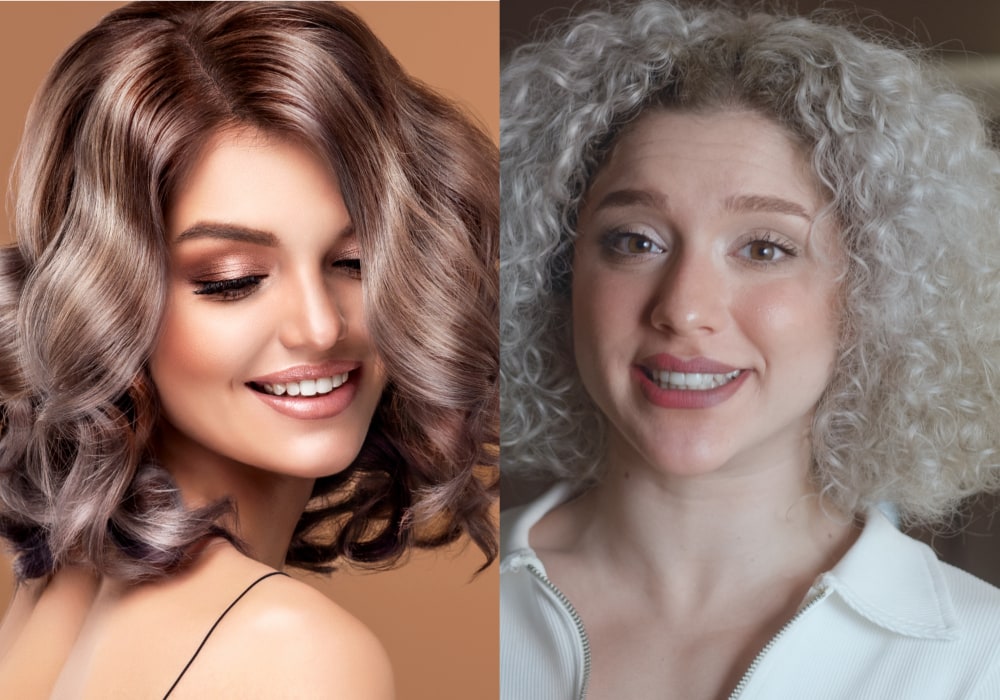
Silver dye contains blue and violet pigments. If you put it on brown hair without bleaching it first, the pigments cancel some of the orange and red undertones. The result is usually a dark, dull, muddy, or flat ash brown. However, after applying silver dye, lightened or bleached brown hair should have a shiny, metallic appearance. On lightened hair, the dye may appear as platinum or white-silver streaks.
Several factors influence what your result will look like. These include your hair’s starting color and condition, the dye and developer you use, and how you apply the color.
Here are some common results you can expect after applying silver dye to brown hair:
A Silvery or Grayish Hue
The most obvious result of applying silver dye to brown hair is a silvery or grayish color. The exact shade of silver varies depending on the specific dye used and the underlying tones in your hair. Silver dyes with blue or violet undertones create cooler, more muted shades of silver.
Silver is always a cool tone. If your hair looks golden or brassy, it usually means it was not lifted enough before toning and dyeing.
Increased Shine and Vibrancy
Silver dye can give your brown hair a lustrous appearance. This is especially true if the hair has been properly bleached and toned before the dye is applied, as this creates a more even base for the color.
A Dramatic Change in Appearance
Going from brown to silver hair can highlight redness in the skin. Silver often suits cool or neutral undertones best. If you prefer a softer look, beige or champagne tones are usually easier to wear than true silver.
You should prepare your hair beforehand to achieve your desired result. You will most likely need to bleach your hair in advance and have someone else apply the silver dye for you.
How Often Should You Bleach Brown Hair Before Applying Silver Dye?
Safety Note
Disclaimer: Always do a patch test 48 hours before dyeing to check for allergies and a strand test to see how your hair handles bleach and toner. If you experience burning, swelling, or a rash, rinse immediately and stop using the product.
For patch test steps, see the FDA hair dye safety guide.
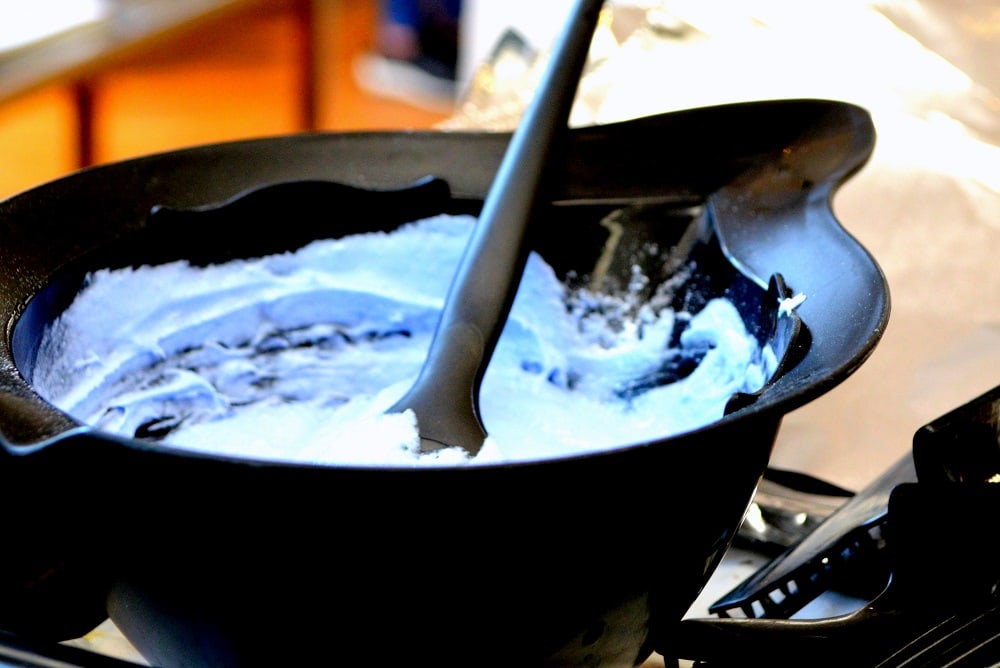
Before applying silver dye to your brown hair, it’s essential to bleach it first. The number of times you should bleach your hair before using the dye depends on your hair’s starting level and texture.
Leave 4 to 6 weeks between lightening sessions so the hair can recover.
Generally, one bleaching session may be enough if you have light brown or fine hair. However, darker or thicker hair may require two or three sessions for the silver dye to take hold properly. Repeated bleaching is the most damaging step in this process, so a licensed stylist should assess your hair before a second or third session. You should stop if your hair feels weak or gummy or if your scalp becomes irritated.
It’s also important to leave enough time between bleaching sessions so your scalp can recover from any potential damage caused by the chemicals used in the process.
Ideally, wait until your scalp is calm and your hair feels strong again before bleaching at home. Leave 4 to 6 weeks between bleach or color chemical services where you can; two weeks is a bare minimum, and even that does not guarantee your hair is ready. If your scalp is irritated, sunburned, itchy, or broken, or if your hair feels brittle, gummy, overly porous, or is breaking, postpone bleaching and see a licensed colorist or dermatologist.
This will give your scalp time to heal and allow the new hair color to absorb more evenly once applied.
When applying the silver dye itself, ensure that all traces of bleach have been removed from your strands beforehand. Leftover residue can interfere with how well the color takes hold in your hair.
To do this effectively, use a clarifying shampoo before you lighten. Once the hair is freshly lightened, switch to a hydrating or repairing shampoo, since clarifying formulas dry lightened hair out even more, and follow up with a deep conditioning treatment.
How to Get Silver Hair from Brown Hair
Now that you know what happens when you put silver dye on brown hair, it’s time to work toward your desired silver color. Here are the key steps for turning brown hair silver:
My Advice
- Get professional help when bleaching your hair, as the process can cause damage if it is not done correctly.
- Do not bleach or dye your hair if your scalp is irritated, cut, or sunburned.
- Wear gloves and follow the product directions exactly.
- Rinse the bleach thoroughly and shampoo lightly before toning or using silver dye.
- Consult an experienced stylist before making a drastic change, such as going platinum blonde.
Preparing Your Hair for Bleaching
Before you start bleaching, it’s essential to ensure your hair is in good condition. If it’s already dry or damaged, bleaching can cause further breakage and make the damage worse. Hydration is key.
To prepare your hair, use a deep conditioning treatment at least one day before bleaching it. This will help keep the strands hydrated and minimize potential damage from the bleach.
Additionally, do not wash your hair with shampoo on the day of bleaching. Shampooing can strip away natural oils and leave your hair drier going into the process.
Applying the Bleach
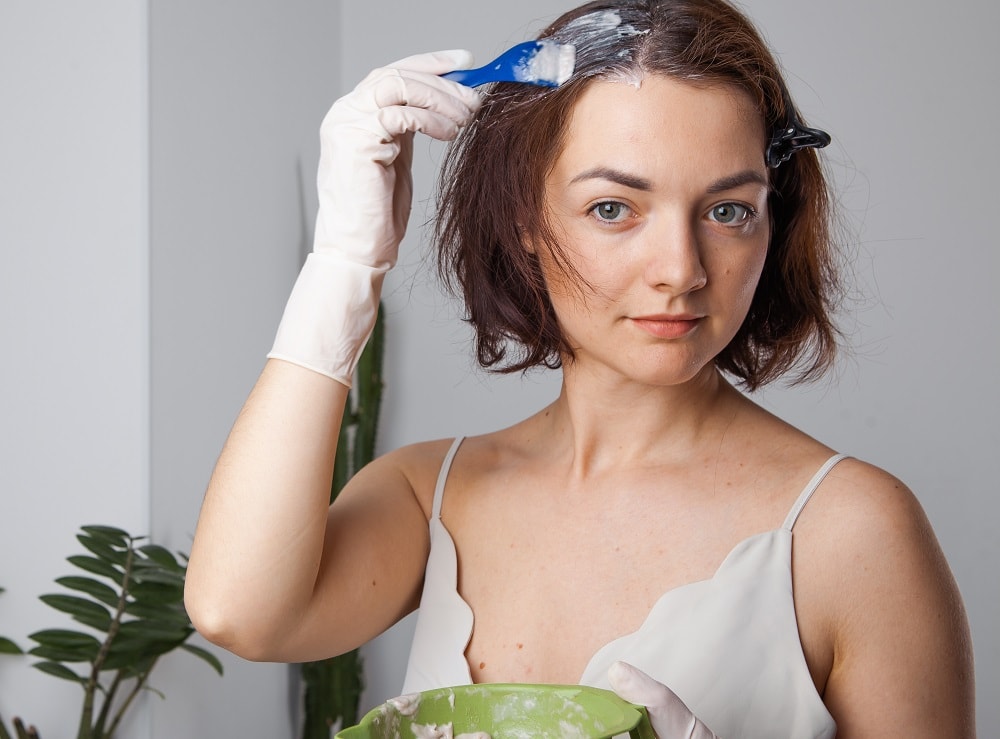
After preparing your hair for bleaching, it’s time to apply the product.
When using store-bought products like L’Oreal Blond Studio Platinium Plus Lightening Kit or Wella Professionals Blondor Liquid Toners, always follow the instructions carefully.
Start by sectioning off small portions of your hair so that each strand receives an even application of the product. This will help ensure consistent results throughout your hair.
After applying the product to dry sections of hair with a brush or applicator bottle, leave it on according to the package instructions. Then, rinse the bleach thoroughly with cool water and shampoo lightly to ensure that no chemical residue remains. Leftover bleach can continue damaging your hair and may react with toner or silver dye. Never exceed the processing time on the product label, and rinse immediately if you feel any burning, stinging, or itching on your scalp.
Depending on how dark your hair is, you may need to bleach it more than once. Achieving a vibrant, beautiful, all-over color will be easier when the hair is as light as possible before applying the silver dye.
Toning
After bleaching your brown hair, you’ll need to apply a toner to eliminate any yellow from the bleached hair. For silver hair, your hair must be lifted to Level 10, which is a pale yellow base. If your hair is still orange (Level 7 or 8), toner will not turn it silver. Instead, it will usually look smoky, dull, or muddy gray.
Use a purple-based toner to cancel pale yellow. Use a blue-based toner only if your hair is orange. Most toners are mixed with 10-volume developer for deposit, while some use 20-volume developer for a stronger result. Follow the toner label exactly, since using a higher developer volume than the label recommends can damage already-lightened hair.
You’ll need to leave the toner in your hair for about 20 minutes, or as directed, before rinsing it out.
Warning
Caution: If your hair is still yellow and you apply a silver dye with a strong blue base, your hair may turn green (blue + yellow = green). Tone your hair to a very pale yellow or near-white platinum first, and then apply the silver dye.
Applying Silver Dye
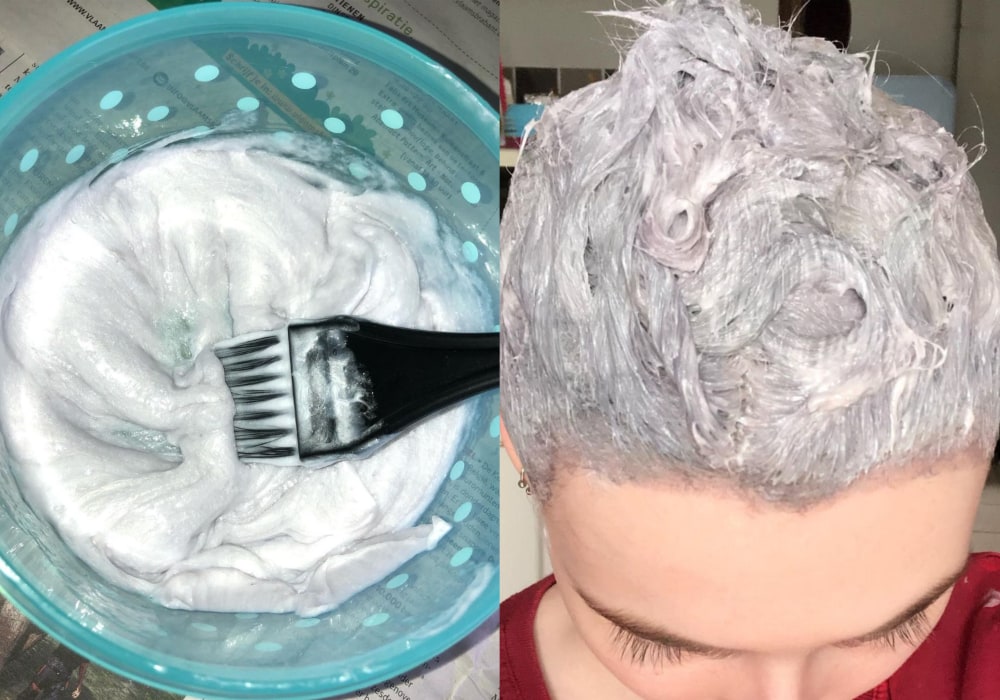
Divide your hair into small sections so you can apply the dye to one section at a time. Make sure every strand is fully covered. Follow the package instructions and avoid leaving the dye on longer than the suggested time.
Wash, Dry, and Style
Rinse your hair thoroughly and use conditioner for added gloss and shine after dyeing.
When styling your hair, avoid overusing heat-styling tools. Air-dry your hair whenever possible, as this helps keep moisture locked into the strands while protecting them from heat.
Proper hair care is critical when trying to achieve perfect silver hues without compromising your hair’s health and shine.
Maintaining Silver Hair Color
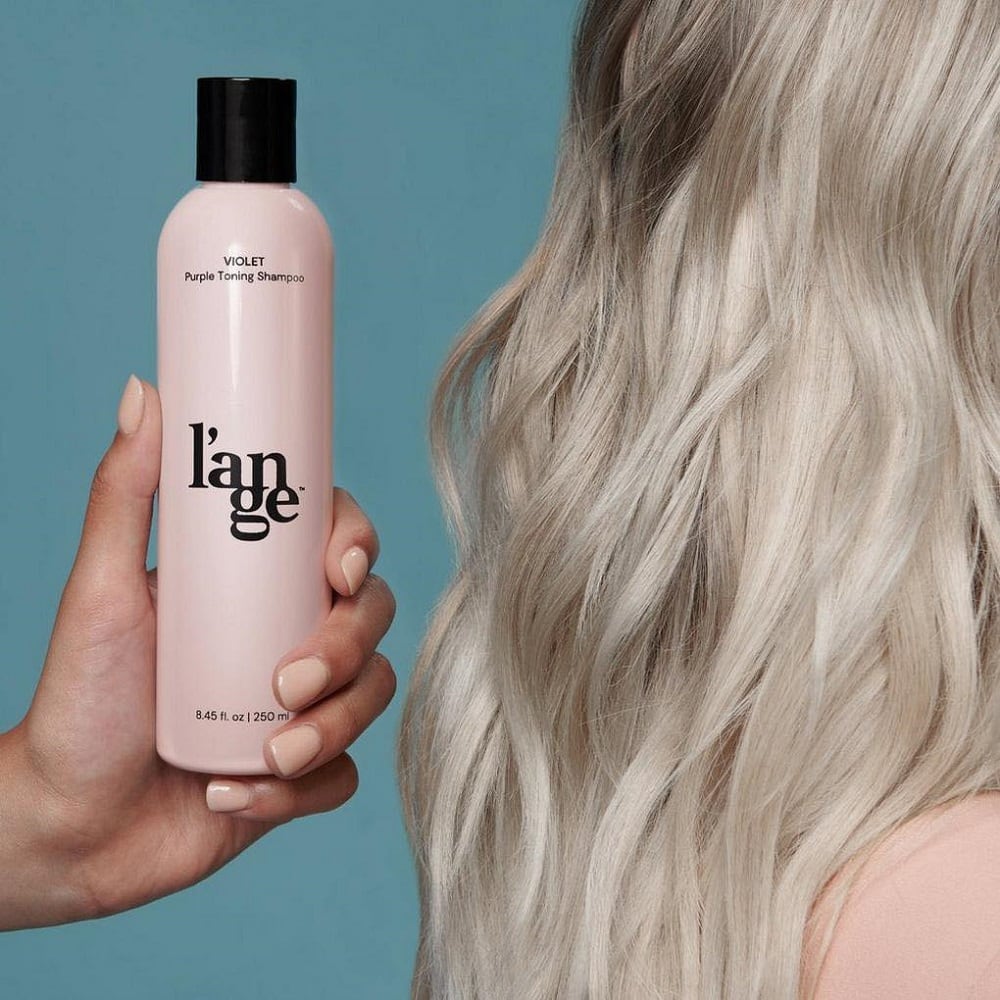
After dyeing your brown hair silver, you still need to maintain the color. Otherwise, your hair could turn brassy over time due to oxidation caused by environmental factors such as sun exposure.
Purple shampoo is also a good option for maintaining your desired tone between salon visits.
Now you know that applying silver dye to brown hair is possible when you follow the steps above. Prepare your hair with a deep conditioning treatment before bleaching to help minimize damage.
You may need several bleaching sessions, depending on the darkness and thickness of your brown hair. Make sure to use the right toner to achieve the color you want, whether that is true silver or a softer smoky gray.