

When you buy through links on our site, we may earn an affiliate commission.
Relaxing curly hair permanently with relaxing cream is popular. The chemical in hair relaxer breaks the disulfide bonds in your hair shaft. It causes significant hair damage.
If you want a straighter look with less chemical stress, try these 7 safer options. Some are at home. Some are salon-based. All of these alternatives focus on smoothing hair and cause less damage.
Summary
These are the 7 safer alternatives to hair relaxers:
- Flat iron styling with heat protectant
- Keratin smoothing treatment, only after checking the exact formula and its safety information
- Silicone cream for humidity control and slip
- Hair oils for shine and frizz control
- Blow out for a smooth finish
- Regular trims to reduce split ends
- Protective styles to cut down daily heat and handling
Certified trichologist Celestine Muthoni Gitau ranks the alternatives from the scalp's point of view:

From a scalp and hairline standpoint use of silicone creams, hair oils and getting a trim are alternatives that genuinely lower the stress. Use of protective hairstyles should be done with caution as sometimes we end up causing more hair damage from tight braiding. Straightening with heat tools should be done with caution as excessive heat may end up causing more harm than good.
What Is a Hair Relaxer?
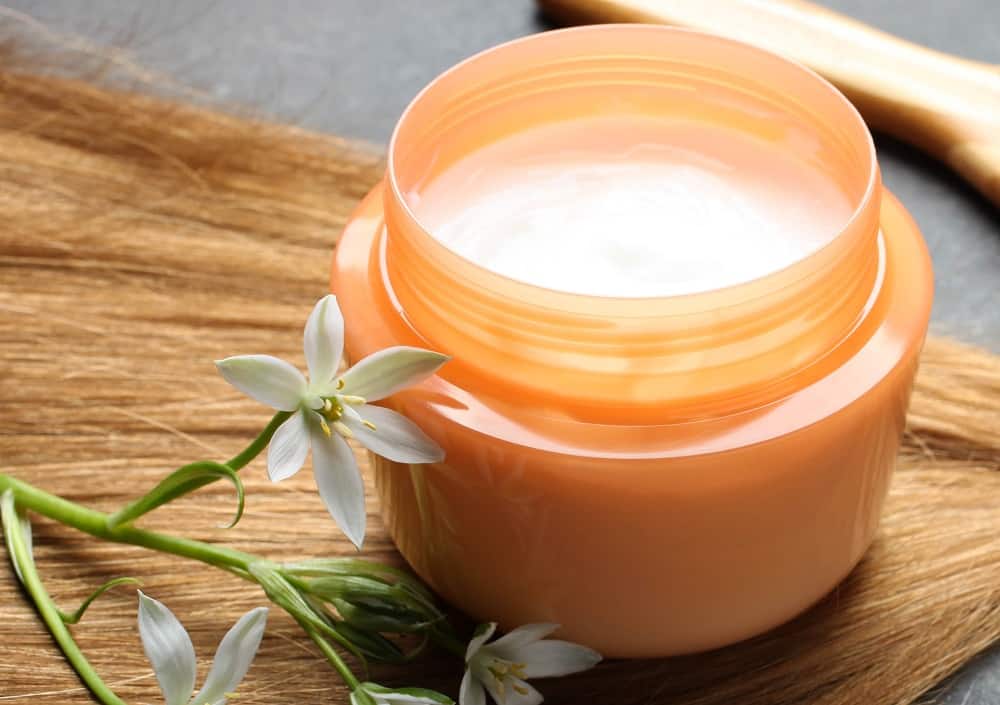
A relaxer is a lotion or cream designed to chemically straighten hair by ‘relaxing’ curls. This product chemically alters the hair’s texture, breaking down its structure and rebuilding it while also eliminating pesky frizz. The change is permanent on treated hair; new growth typically needs a touch-up every 6-8 weeks.
If you do choose a relaxer, going to a salon and trusting your hairstylist is the safest option.
They know how to replenish nutrients stripped from the hair during the relaxing process and which method is best for your specific hair type and density.
Risks of Using Hair Relaxer
Health Alert
Celestine again, on what years of relaxer use look like in her practice:
What I have seen from years of relaxer use is scalp irritation, inflammation, and emergence of inflammatory conditions.
One of the most common conditions that has been linked to continuous use of relaxers is CCCA (Central Centrifugal Cicatricial Alopecia), common among women of African descent. Though the condition has a genetic connotation as well, the use of relaxers has been shown to contribute to its occurrence.
NIH researchers from the Sister Study reported that frequent use of chemical hair straighteners was linked with a higher risk of uterine cancer. This study shows an association, not proof of cause. NIH source
A separate Sister Study paper also reported an association between frequent adult use of straighteners and higher ovarian cancer risk. Peer reviewed source
There are also ongoing hair relaxer and straightener lawsuits in the US. Many federal cases were centralized into MDL No. 3060 by the US Judicial Panel on Multidistrict Litigation. Court order
The strong chemicals in relaxers alter hair texture. This can lead to hair damage and scalp irritation.
The most common cosmetic downsides of hair relaxer treatments are dryness, frizz, and hair breakage.
Relaxers can also cost a lot of time and money. Even with good care, repeated chemical services can make hair harder to repair over time.
Safety Advice
- If you have scalp pain, sores, or heavy shedding, pause chemical services and visit a dermatologist. Find a Dermatologist in US
- If you use heat tools, keep heat lower and use them less often.
Hair Relaxer Alternatives
If you want straighter hair with less risk of burns and breakage, start with straightening methods that smooth the cuticle. These options can help you save time and protect hair health.
#1. Use A Hair Straightener
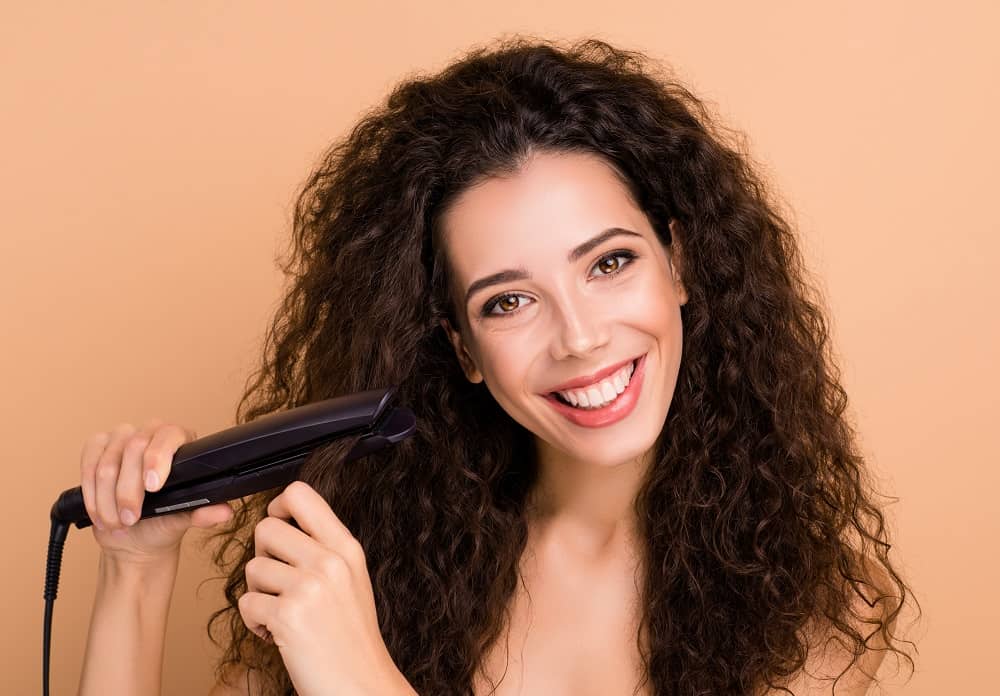
Instead of a chemical process, many women use a flat iron to get a sleek look. You control the heat and the timing. Frequent heat styling can still dry, damage, and weaken hair over time.
To lower heat damage, use a heat protectant and keep the temperature on low or medium. Use flat irons on dry hair and not too often.
⚠️ Heat Safety Note
- Always flat iron dry hair. Wet hair breaks more easily, and the heat risk is higher. AAD source
- Keep the iron temp under 375°F (190°C). Study source
- If you have fine hair, try to keep the flat iron temp under 248°F (120°C).
#2. Try a Keratin Treatment (Semi-Permanent Option)
While Keratin treatments are still a chemical service, they function completely differently from relaxers.
Relaxers use high-alkaline chemicals (like sodium hydroxide) to permanently break the internal disulfide bonds of your hair structure. Once these bonds are broken, the hair is straighter but significantly weaker and prone to snapping.
Keratin treatments typically use heat and acids (like glyoxylic acid) to coat the hair strands and cross-link proteins to the cuticle. Instead of breaking your hair’s internal structure, they fill in porous gaps and smooth the surface.
Keratin smoothing treatments work differently: they do not permanently break the hair’s internal bonds the way a relaxer does, so the change fades over time. That is easier on the hair structure, but it does not make every smoothing formula safe for your health. Formulations differ, and glyoxylic-acid straightening products should be avoided entirely. Relaxers, especially if overprocessed, can damage hair and the scalp, including causing burns and breakage.
Relaxers have also been linked to a condition known as central centrifugal cicatricial alopecia (CCCA), the most common type of scarring hair loss in women of African descent.
⚠️ Critical Safety Warning
Not all Keratin treatments are the same. Some formulas contain ingredients that release formaldehyde gas when heated by a flat iron. This is dangerous for health. OSHA source
Before agreeing to a smoothing service, ask the stylist for the exact product name, its ingredient list, and its safety information. A formaldehyde-free claim alone does not make a formula safe, and glyoxylic-acid straightening products should be avoided.
#3. Use a Silicone Cream
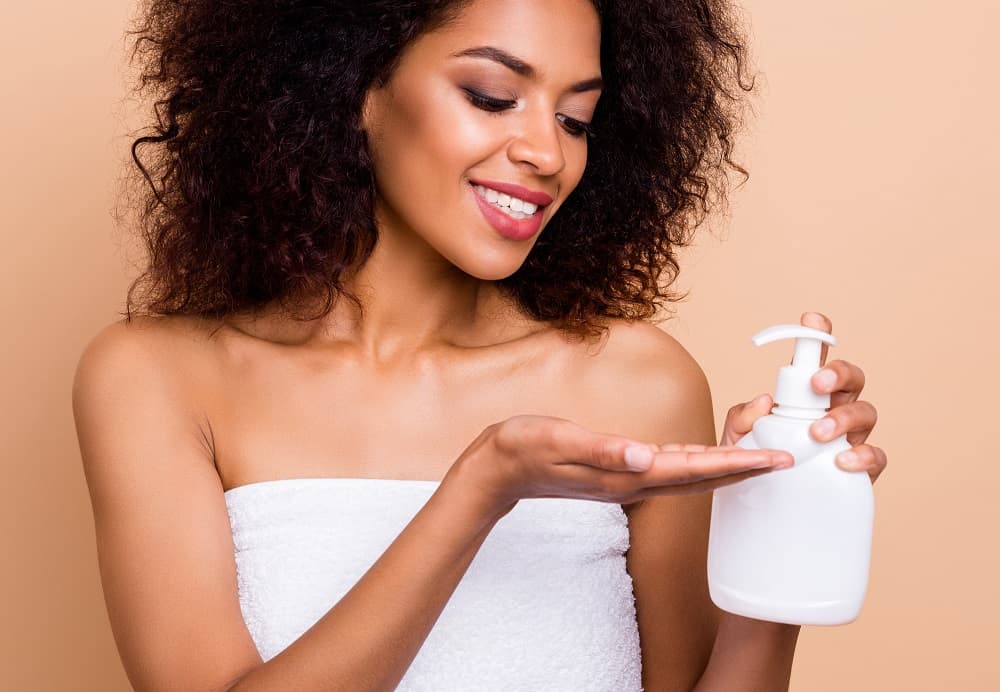
Silicone creams work by coating the hair shaft in a hydrophobic, water-repelling seal. This mimics the smoothness of relaxed hair by reducing friction and blocking out humidity that causes frizz.
Critical note: Many silicones are not water-soluble. Use a clarifying shampoo every 3 to 4 washes to help prevent buildup. Too much buildup can make hair feel dry and heavy over time.
#4. Use Hair Oils
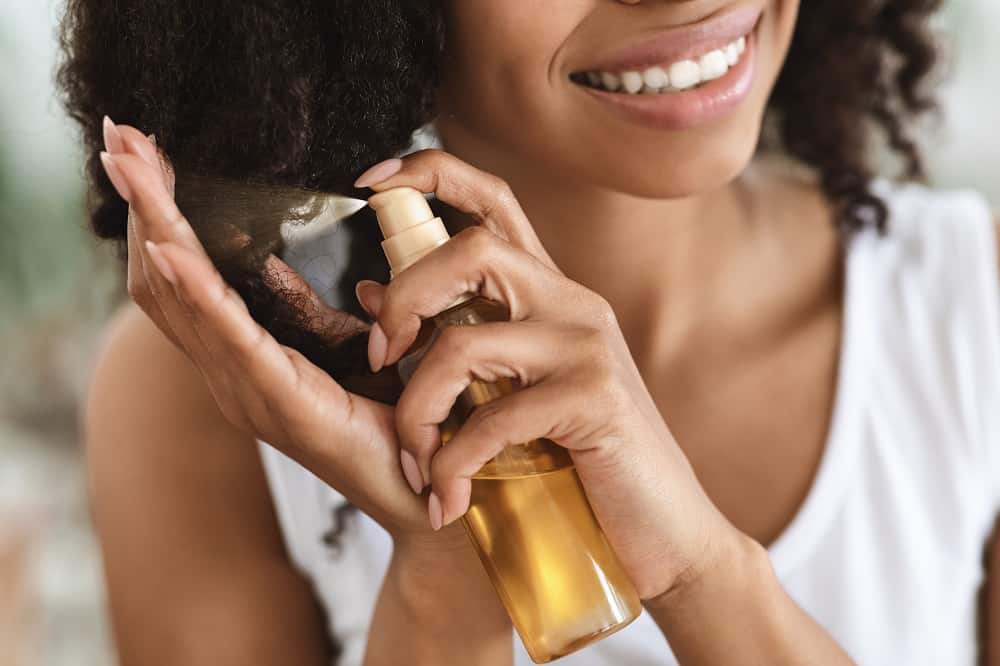
Hair oils can reduce friction, add shine, and help tame frizz. Think of oils as a styling aid, not a relaxer alternative. They will not change your natural curl pattern. They can help hair look smoother and feel softer.
Use a penetrating oil (like Coconut or Olive oil) as a pre-shampoo treatment to protect the cortex. Use a sealing oil (like Jojoba or Argan oil) after styling to lock in moisture and smooth the cuticle.
Use a small amount on mid-lengths and ends. If your hair is fine, start with one drop and build slowly.
#5. Rock a Blow-Out
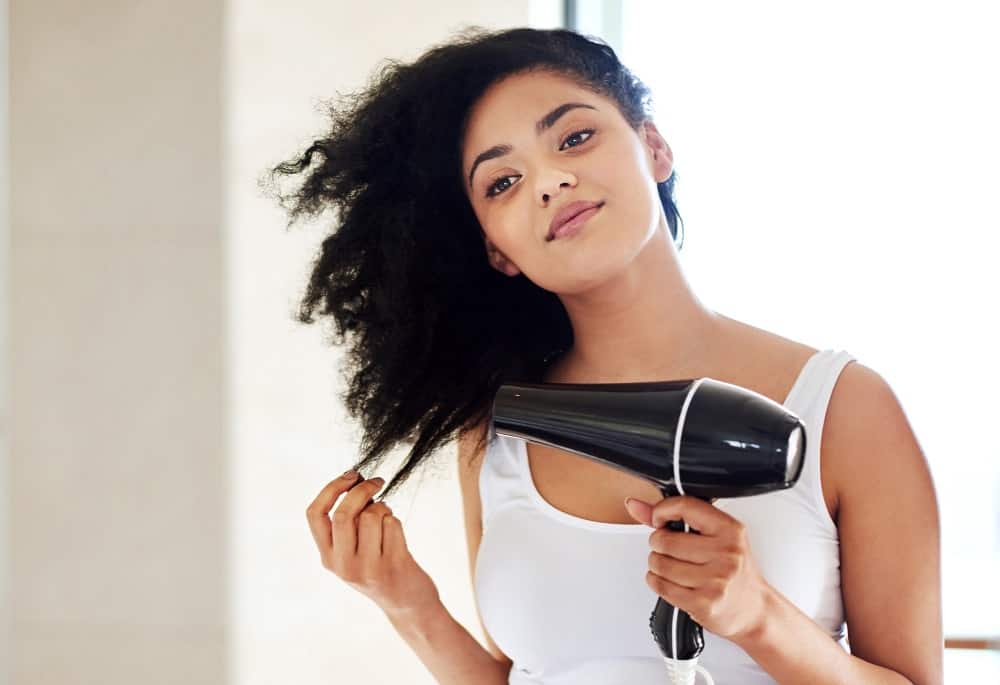
Blow-outs can smooth hair while keeping lift and movement. The key is control. Use a heat protectant, work in sections, and avoid high heat when you can. Let hair partially air dry first and blow-dry less often to limit damage.
#6. Get A Trim
A trim will not make hair grow faster. Hair grows from the scalp. But trims can remove split ends so you keep more length and reduce breakage. Gentle care also helps hair stay strong.
#7. Try A Protective Hairstyle
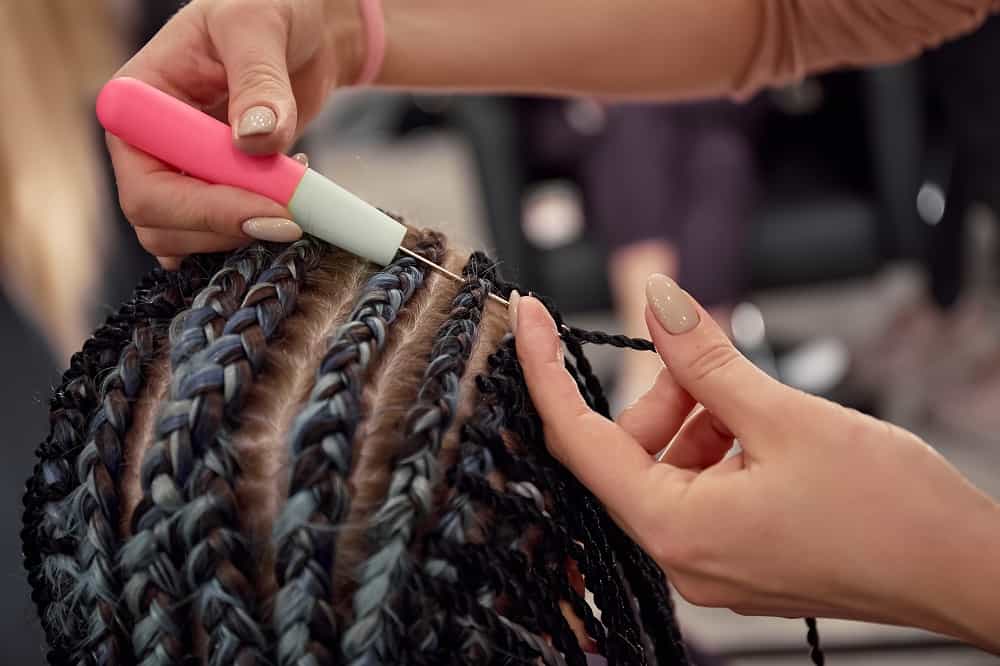
Lastly, a protective style may be your best break from relaxers and heat. It will not straighten hair. It can reduce daily styling stress and help you keep moisture in.
Choose styles that do not pull on your scalp. Tight braids, weaves, and extensions can strain the scalp and contribute to hair loss.
As you can see, you do not have to rely on relaxers to get a smoother look. Focus on moisture, gentle handling, and smart styling choices. Which method will you try first?