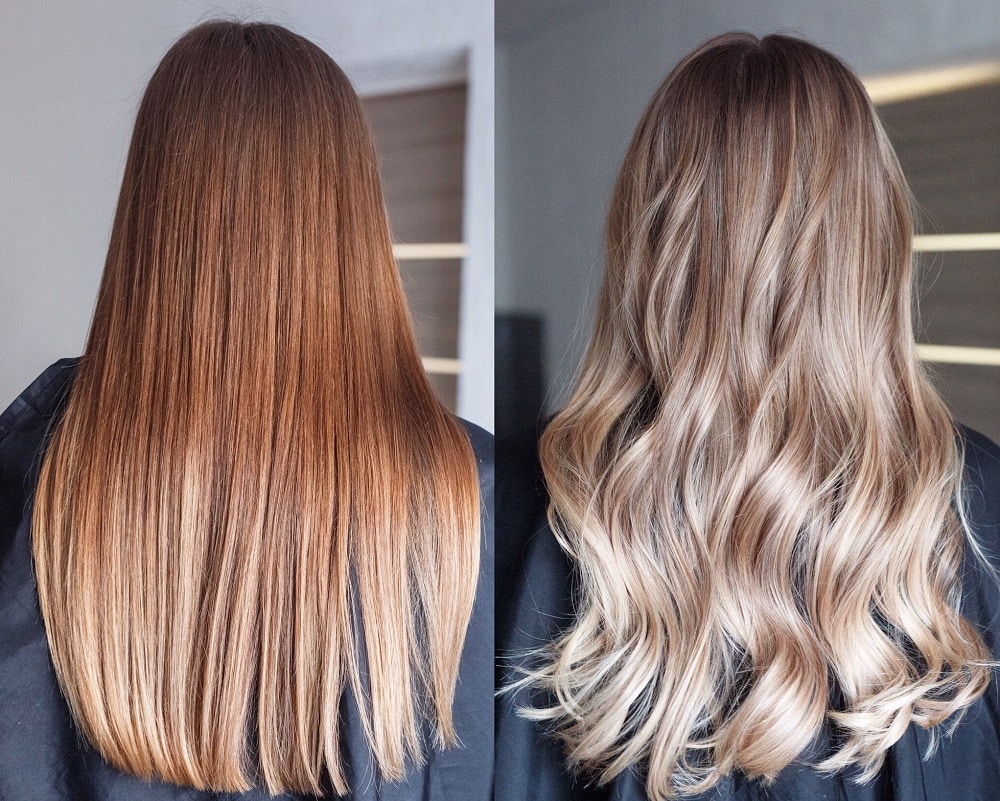


If your cowlick sits above your forehead, near your neck or on your crown, cutting and styling may reduce its prominence. They do not erase its growth pattern. This guide explores ways to manage its appearance. Cowlicks are also one of the growth patterns that make the same haircut sit differently on every head.
Can You Get Rid of a Cowlick Permanently?
It is the question everyone asks first, so rather than answer it ourselves, we took it straight to the chair.
We put this exact question to the senior stylist who reviewed this guide, Emma Baxendale:

A cowlick can never be removed; you cannot change the direction the hair grows from the root. It can absolutely be managed and disguised, though.
Slick-backs, quiffs with volume, side-swept styles: they all work, with mousse, pomades, gels, and hairspray doing the holding. Everyone's cowlick and style preference is different. It is not one-size-fits-all, so try different things and see what works for you.
How to Manage a Cowlick (For Both Men and Women)
Here are ten ways to manage a cowlick and style around it. Choose the methods that suit your growth pattern, haircut and preferred finish.
#1. Hair Products

Hair products are probably the number one way to combat cowlicks. There are many options out there, but essentially, you can use any product that has a decent amount of hold. So this will include hair gels, hair sprays, hair putties, pomades, dry shampoos, and hair creams.
The best product for your cowlick will depend on the texture of your hair. For thinner hair, you should use lighter products that won’t add weight, like dry shampoos and hairsprays. For thicker hair, gels, pomades, creams, and putties will work better to tame the cowlick and keep it hidden.
#2. The Squish Method
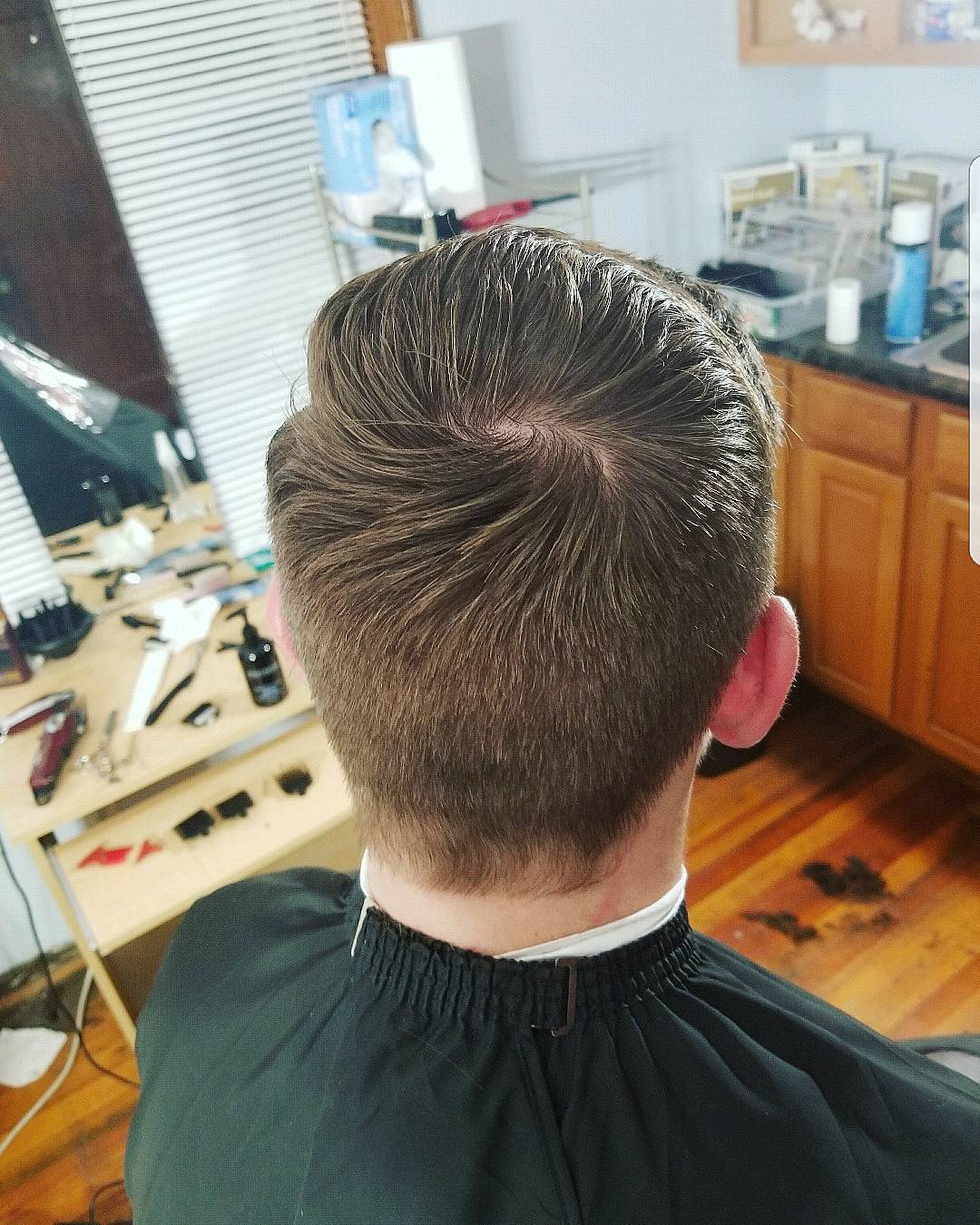
The squish method is what many professional hair stylists do to reduce the appearance of cowlicks. Mastering this technique takes some practice, but once you get it down, it’s super easy to incorporate it into your daily routine to get the bedhead cowlick out of your hair.
Using one hand, press down the cowlick, so the hair goes in the opposite direction. Then, using your other hand, squish down and firmly squeeze the middle of the hair strands that are guilty of forming the cowlick.
The key is to squish the middle of the strands below the root, don’t squeeze the root as this won’t hold. Spray a light hold product while the section is squished, and hold it longer rather than shorter; the more time it has to cool and set, the better it stays.
#3. Apply Heat
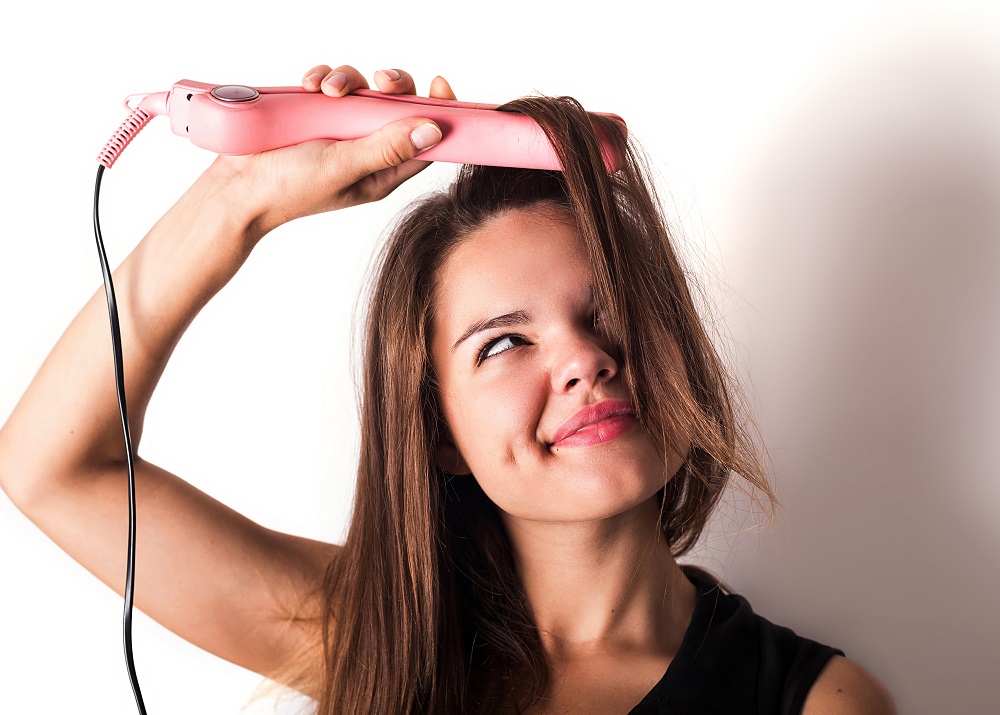
Applying heat may temporarily help style around a cowlick, but it does not erase the growth pattern. Follow the blow dryer or styling tool’s instructions, including whether it is suitable for wet or dry hair. A concentrator attachment may help direct a blow dryer’s airflow.
Brush your hair in the opposite direction of the cowlick as you apply the heat. For a flat iron on dry hair, straighten and heat the area and try to pull it down, starting as close to the root as you can without touching your scalp.
Another trick: right after the warm section leaves the iron, squish the cowlick flat with your fingers and keep holding it down while it cools so it sets in the new direction.
#4. Change Directions
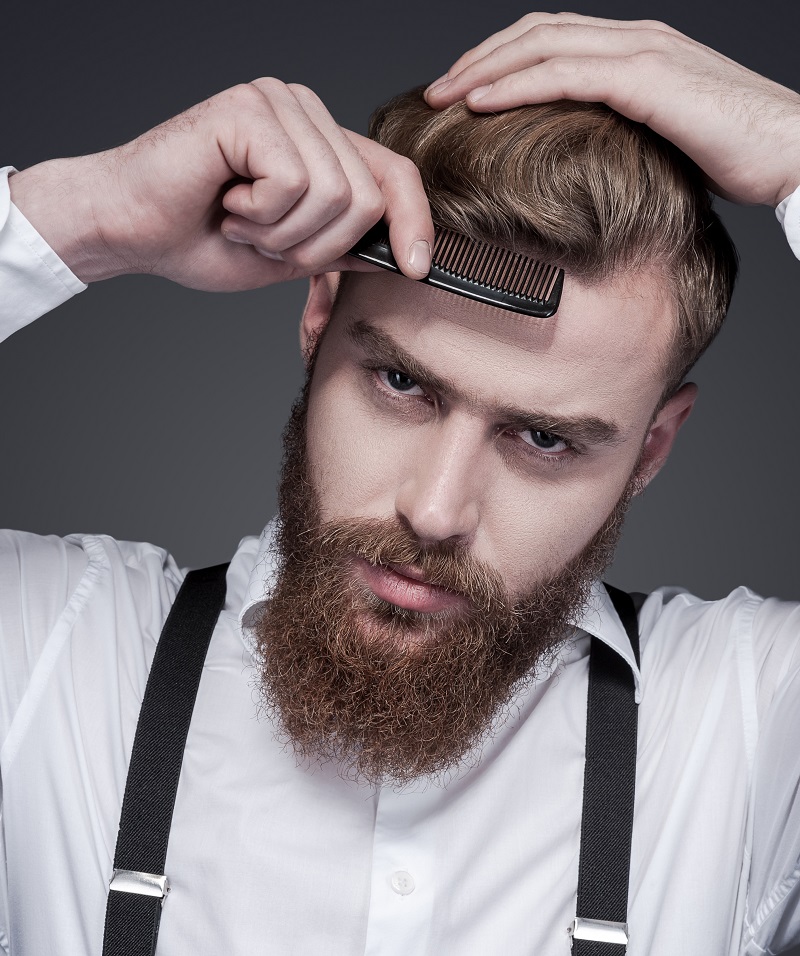
Combing or brushing in another direction may help change how a cowlick looks while styling. Its effectiveness depends on the growth pattern, hair and desired finish; persistence alone does not guarantee that one method works on every head.
Whatever the natural direction of your hair is, forcefully brush in the opposite direction as often as you can. Not only will this fix the cowlick in the moment and for the day, but it will also work to train your hair to set in the direction you want. Be realistic, though: strong cowlicks are stubborn, and many spring straight back no matter how faithfully you brush them.
#5. Find the Right Cut

Finding the ideal cut for your hair can be a simple solution to fix your cowlick dilemma. For men, going all the way to a buzz cut genuinely eliminates the cowlick, but stopping at merely short can backfire: a short cowlick stands up even more stubbornly. Men and women can go the other way and grow their hair out more.
Longer hair is heavier and can weigh down the swirl of the cowlick, so it’s less noticeable or not there. But when you grow your hair, this typically means you’ll have to do a bit more work to maintain it, like using hair products, styling tools, or combing it a certain way.
#6. Hair Clip Tricks
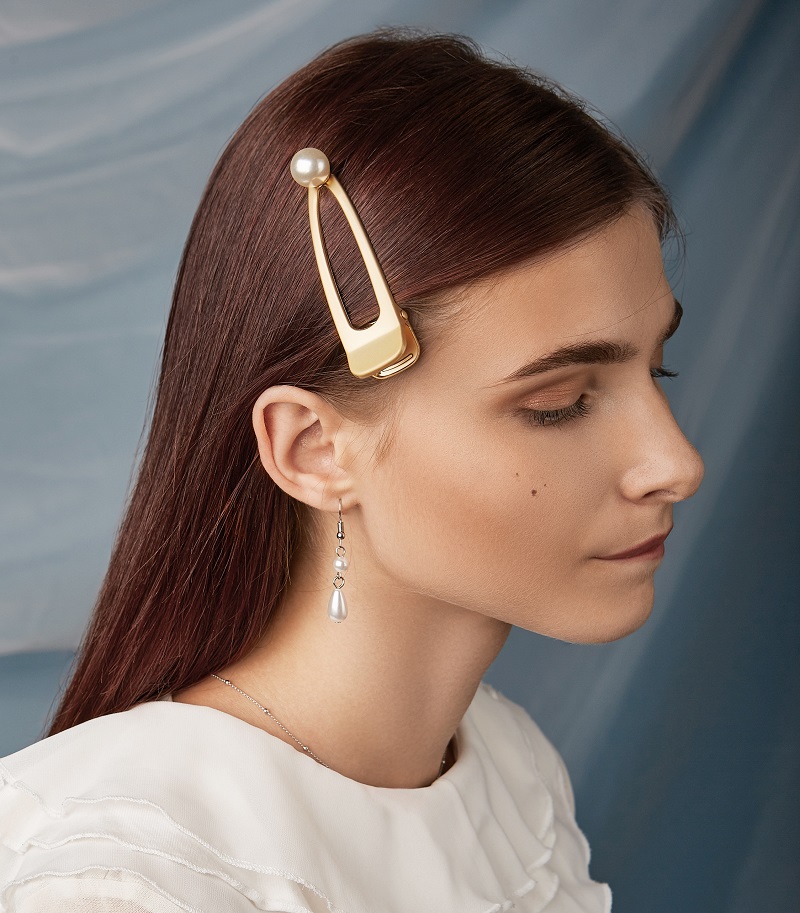
There are no-crimp hair clips that you can place in your hair for as long as possible before heading out. To use these, pin the hair in the opposite direction of the cowlick swirl.
After leaving it in for a while, when you remove the clip, the hair should hold in place, eliminating the cowlick. This method works excellently when combined with heat application or a spritz of water.
#7. Use a Root Brush
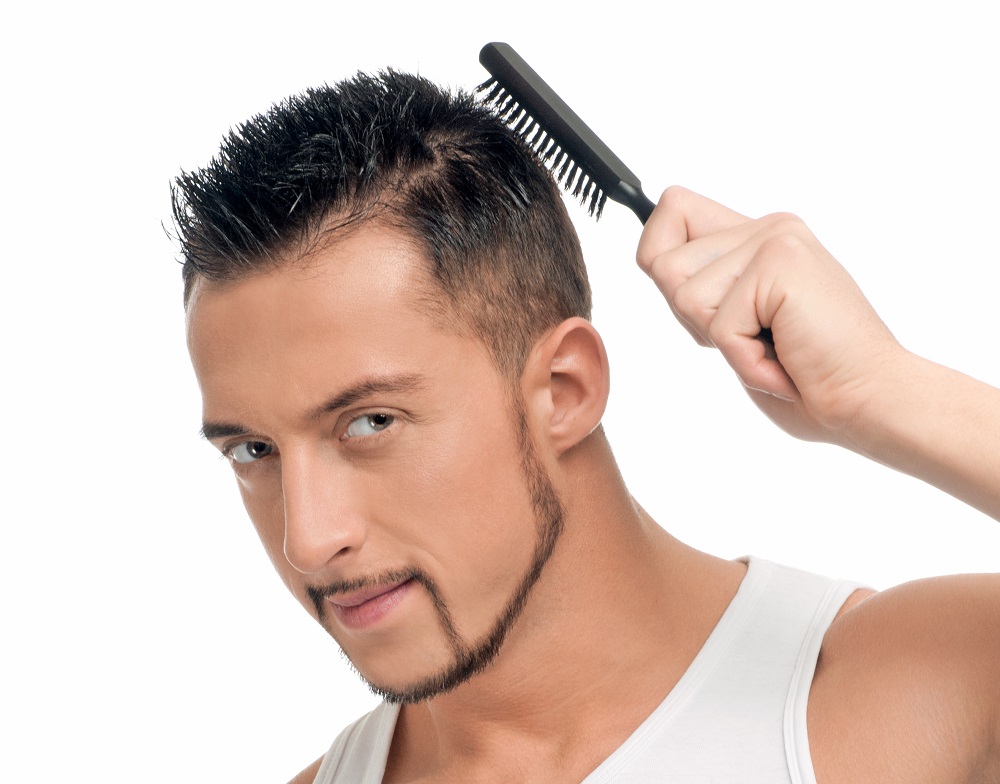
Root brushes are an impressive hair tool designed to change the direction your hair lies. They can help reset how your hair sits even after just one use. Root brushes feature nylon bristles, which are gentle and prevent snagging.
The more often you use the brush, the more quickly the way your hair falls will change, helping to reduce the appearance of your cowlick so you can be more confident.
#8. Bobby Pin Hacks
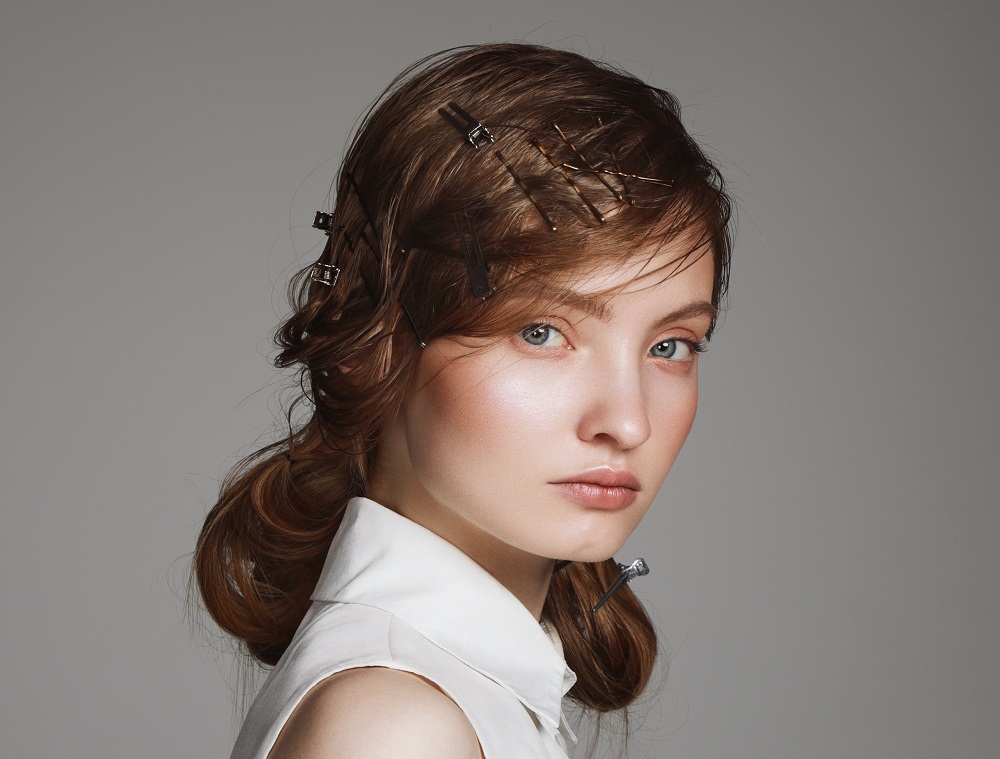
Bobby pins can temporarily hold a cowlick in a less prominent position. Choose pins that suit your hair colour and use them to position cowlick bangs near the root without uncomfortable pulling.
Use the rest of your hair to cover the bobby pins so you can’t see them, and everyone will think you have perfect hair! This method works best with longer hair as it’s easier to hide the bobby pins the more you have.
#9. Wet the Cowlick
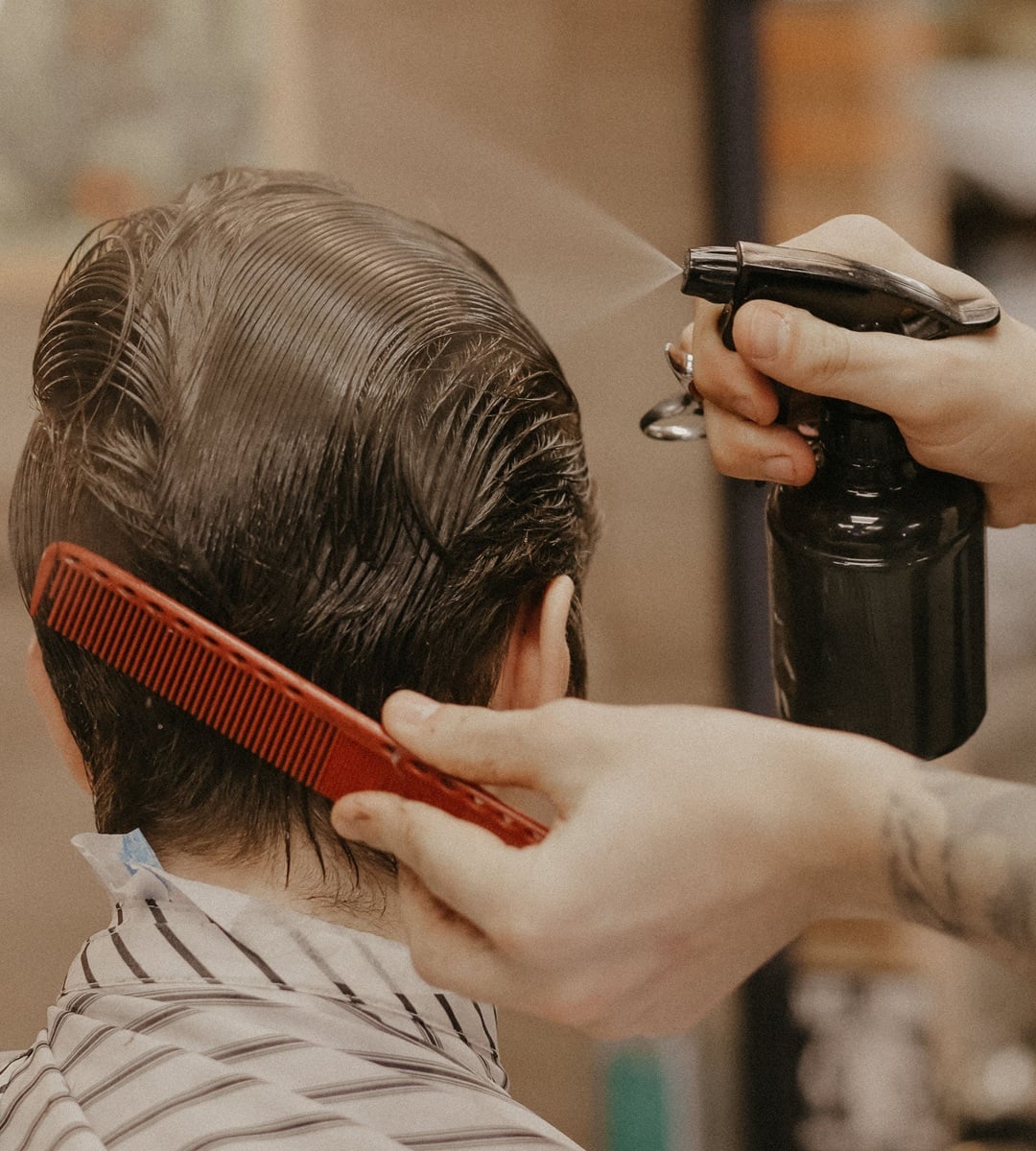
For an easy and affordable alternative to using hair products, you can just use some plain water to wet the cowlick and try to keep the hair in place. When doing this, it’s best to use a spray bottle, so you have more control over which area of your hair you wet. Once the section is pinned or held flat, dry it in place; setting it dry like this softens the cowlick noticeably.
The temperature of the water makes no real difference, whether warm, cool, or cold water; the brushing and drying do the work. You should apply water to the cowlick area as you brush or comb it. Don’t be afraid to use a lot of water here, as the hope is that the hair will dry in the direction you brushed it.
#10. Change Your Part
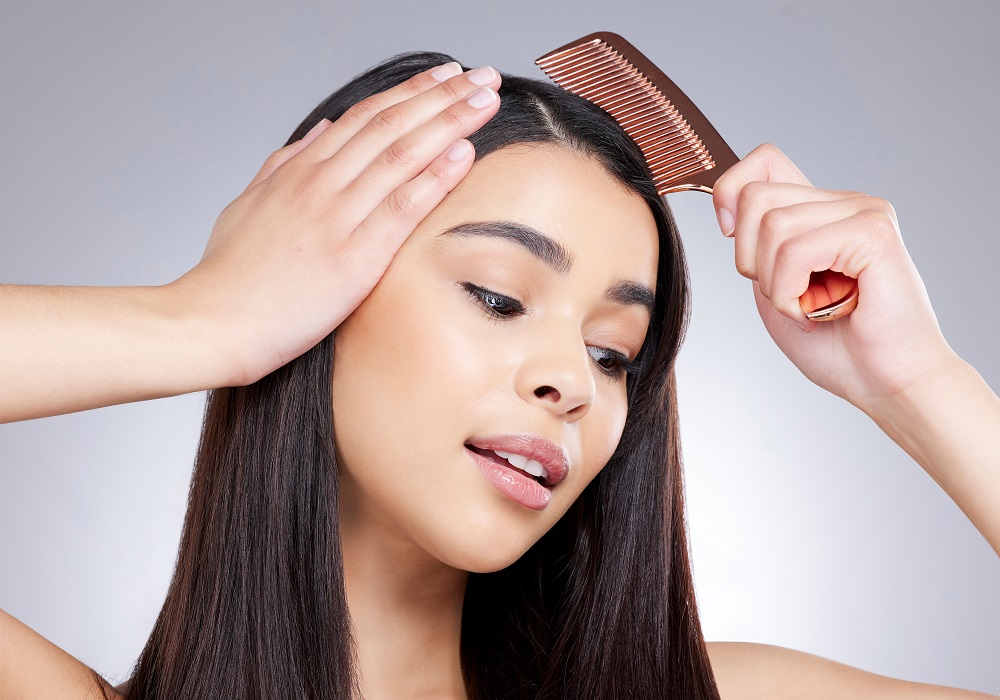
If you have a middle part, it can help to hide the cowlick by shifting the part to the left or right side. And if you have a part heavily on one side, try moving it to the middle or the other side.
You may feel awkward when you first do this, but that’s because people are so used to seeing their hair parted one way. But changing your hair part can give you a fresh new look, and you may find a better way to frame your face while disguising that pesky cowlick.
Cowlicks are common. Cutting and styling can reduce their prominence, but cannot erase the way the hair grows. Try a finish that suits your own growth pattern and preferences.