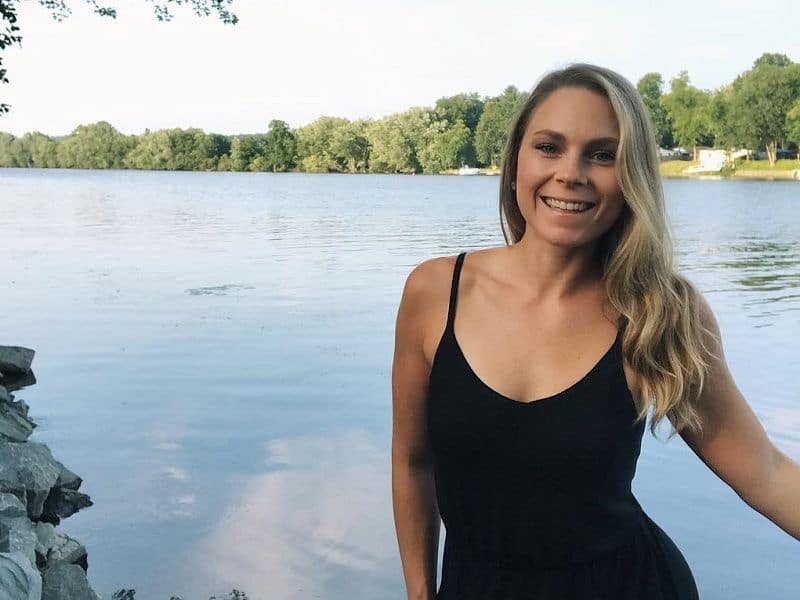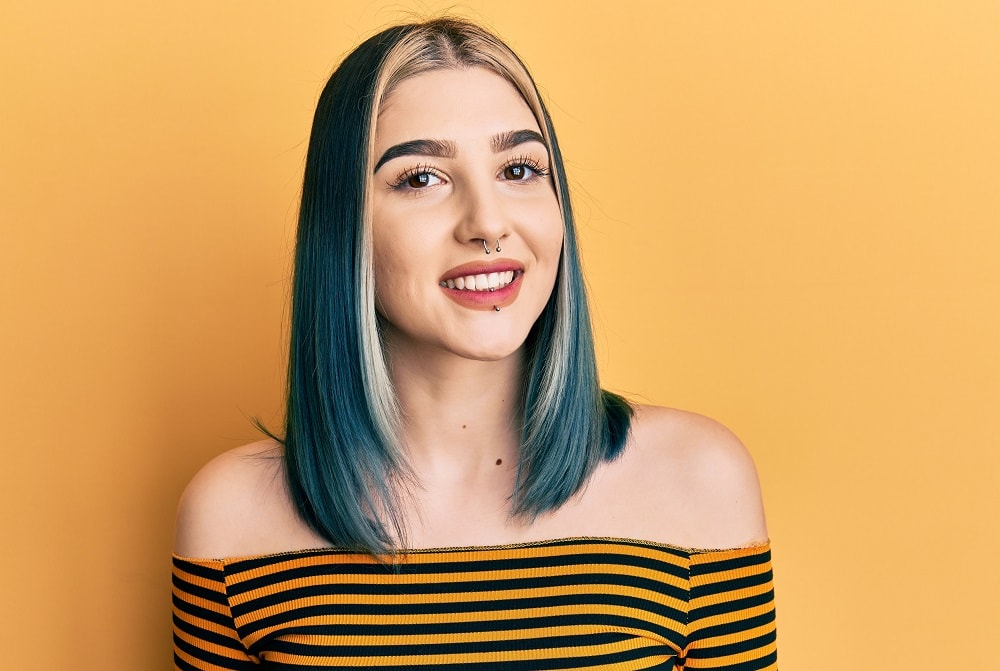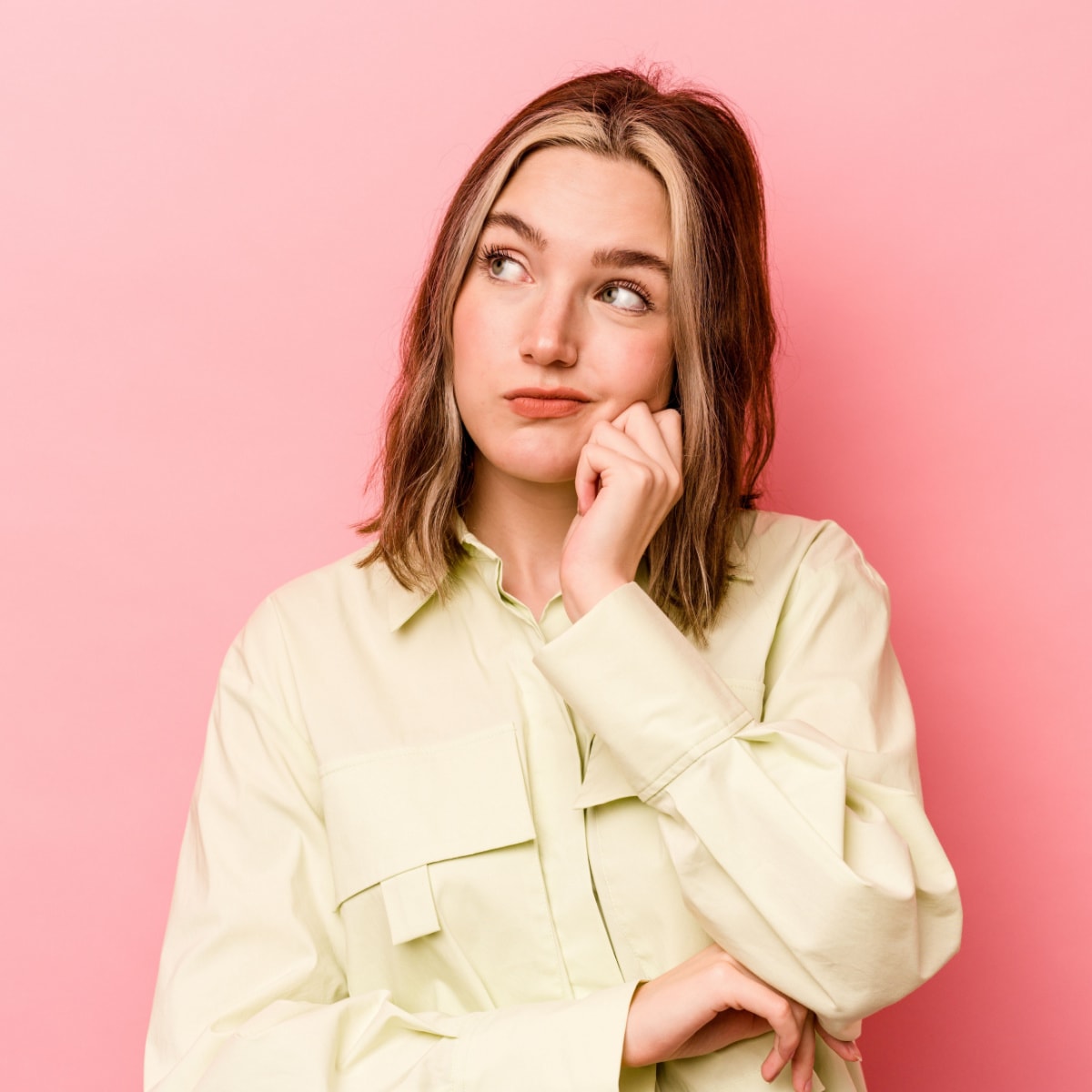


Hair highlights can be a lower-maintenance route, though not always; plenty of highlighted looks demand serious upkeep. Either way, they give your hair a warm, romantic touch. They help you blend your root color with lighter and more sophisticated strands, creating more depth.
However, you might feel that an overall blonde color will suit you even better and be a better match for your complexion.
But before you make any decisions, you must know that going from highlights to all-over blonde is a complex process. When a DIY attempt goes wrong here, the classic results are banding, stripes where bleach overlapped, and breakage. Correcting that in a salon can cost far more, over multiple sessions, than the transformation itself would have.
So instead of an at-home DIY at home process, here is how the process actually works in the chair, what you can safely manage at home, and how to keep the result healthy.
Knowing the sequence also makes you a better client: you will understand the quote, the hours in the chair, and why your colorist refuses shortcuts.
That per-band judgment is the whole job. Senior stylist Emma Baxendale plans it before a single foil goes in:
When taking a highlighted client to an all-over blonde, I plan which areas I'm going to tackle first with which volume developer, using a higher volume for dark and natural areas and a lower volume for warmer, lighter, or more fragile areas, so the hair processes at the same time and comes out even with as little damage as possible.
What Do You Need to Go from Highlights to All Over Blonde?
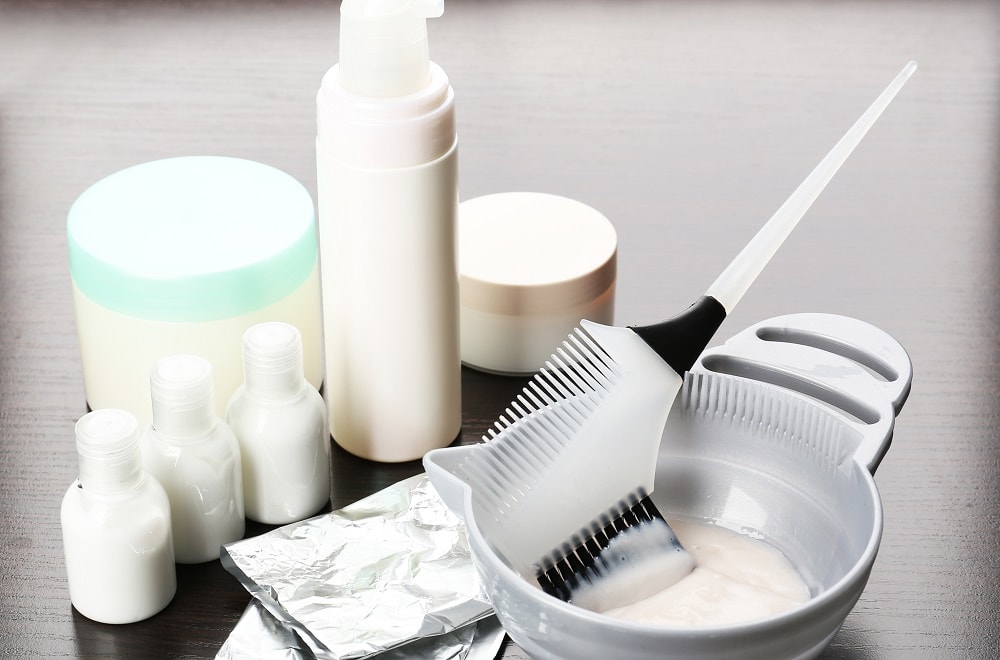
This is what I need on the salon trolley for this type of blonding service. Each item has a purpose, especially when old highlights and darker regrowth need to be handled differently.
The kit:
- Hair bleach powder with 20-volume developer for darker, unlightened areas, plus 7- or 10-volume developer when already-lightened ends need only a gentle refresh. The exact mix should always follow the manufacturer’s ratio.
- Foils to isolate the dark pieces from the old highlights and prevent bleach from overlapping fragile, previously lightened hair.
- Hair clips and a tail comb to keep each section clean, controlled, and easy to check while processing.
- A color brush and bowl for mixing and placing the lightener precisely.
- Protective gloves, towels, and barrier cream to protect the skin around the hairline, ears, neck, and shoulders.
- Toner or gloss to refine the final blonde shade after the hair has lifted.
How to Go from Highlights to All Over Blonde
Here is the transition from blonde highlights to an overall blonde in the order that is followed in the salon.
The order matters because a box of blonde dye applied all over will not get you there: color does not lift color, and the dark regrowth and already-light pieces need different handling.
Prepping Hair
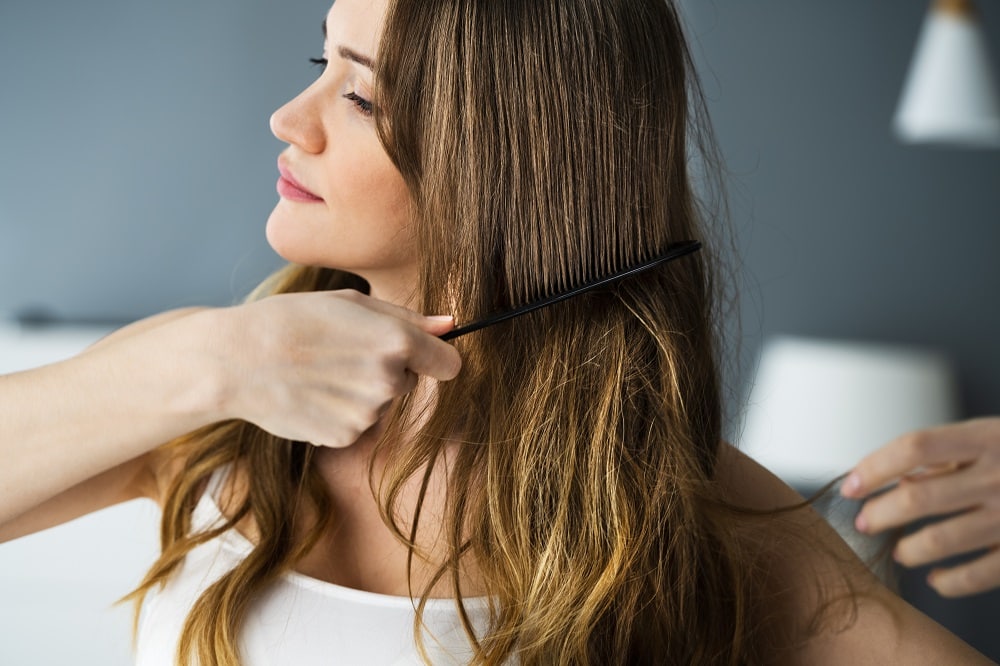
Before starting the coloring service, I carefully drape the client and protect the hairline, ears, and nape with a thick barrier cream or petroleum jelly.
Bleach can irritate or burn exposed skin if it sits there too long, so clean sectioning and skin protection matter from the beginning. If any product splatters into the eyes, it should be rinsed immediately with plenty of cool water, and if you still feel discomfort, you should seek medical attention.
I prefer clients to come in with hair they have not washed in a day or two. The natural oils on the scalp may offer a little extra comfort during lightening, although they are not a substitute for careful application.
Strand Test
Before a full blonding service, I check how the hair reacts with a strand test. Moving from highlights to full blonde can put the lightener close to hair that has already been bleached, and that is where serious breakage can happen.
A strand test shows whether the hair can handle more lifting, especially where the natural roots meet the old highlights. If the strand turns gummy, stretches too much, or breaks, the hair is too fragile for full bleaching that day. If it stays strong and lightens evenly, the service can move forward more safely.
How to Apply the Bleach
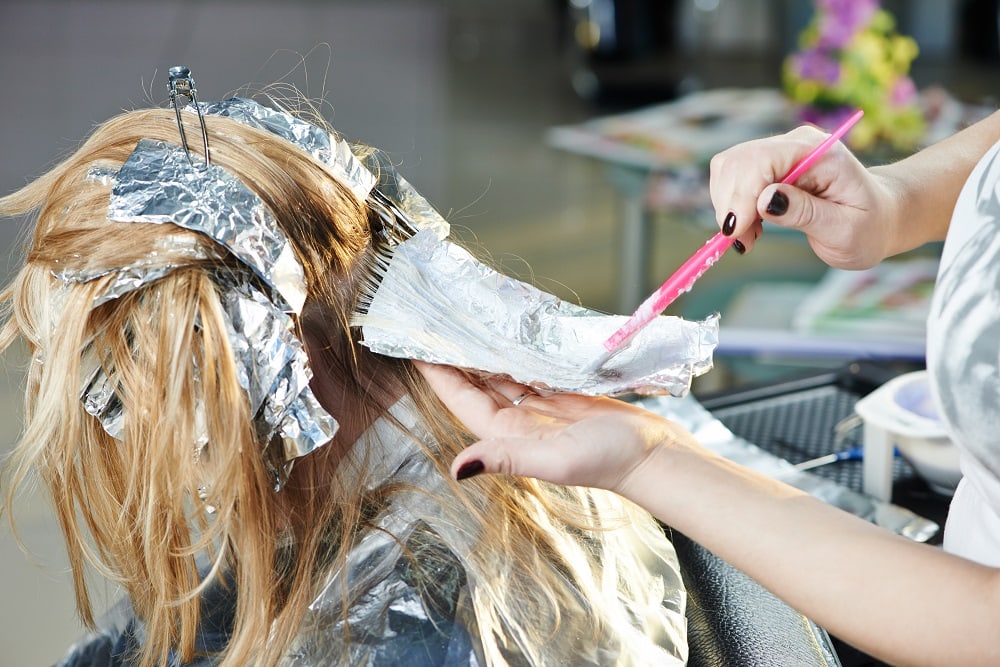
As you are transitioning from highlights to an all-over blonde, precision is non-negotiable. The bleach should not overlap the already-lightened pieces, and overlapping 20-volume developer on existing highlights can cause severe chemical damage and breakage. This is the reason DIY bleaching is not recommended. A colorist can see and isolate every dark strand at the back of your head; nobody can do that on their own in a mirror.
First, I detangle the hair, divide it into clean sections with a tail comb, and pin each part with a hair clip.
After that, I mix powder lightener with 20-volume developer at the ratio printed on that lightener; mixing ratios differ by brand (some are 1:1, others 1:2), and a stronger-than-intended mix is a common way DIY lightening goes wrong.
On the bottom sections, which sit longest and cook under the layers above, I often drop to a 10-volume developer. Mine mixes 1:1, and the ratio matters: heavier powder makes the mix stronger than intended.
Then I take small sections, place foil underneath, and apply the lightener only to the darker hair that still needs to lift. If the previously highlighted ends need a little brightening, I use a much softer mix and only for the last few minutes.
I leave the roots for last because they lift faster from the natural heat of the scalp. Usually, I keep the bleach about an inch away from the root area until the mid-lengths are close to the right level. This helps avoid hot roots and unnecessary damage. I also keep a close eye on the timing, and if there is any strong stinging or burning on the scalp, the bleach needs to come off right away.
How the Foils Process
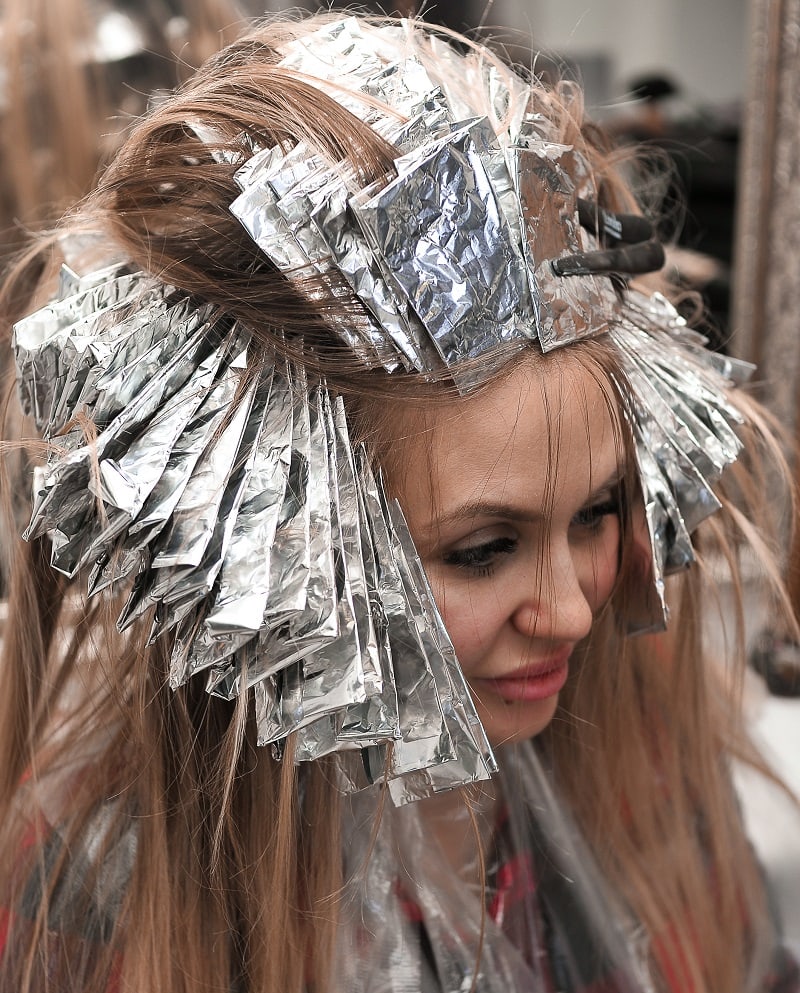
The foils process almost all the way before the roots are touched, which helps blend the blonde into one natural-looking shade. For uniform color, I return to the sections in the order they were colored, so every area gets equal time with the lightener.
The hair stays uncovered while it processes. One rule worth knowing, even as a client: no processing cap, ever. The one exception in a salon is short, dark male hair, where film over a 20-volume-or-lower mix evens out the heat; at home the rule stays absolute. Trapping heat over bleach can cause severe scalp burns and hair breakage.
Emma’s other warning is the clock: “This process takes longer than clients expect because it is very visual. It requires me to pick out and separate different areas of the hair and apply different developers based on what needs doing, with checking, reapplication, or rinsing throughout depending on how the hair develops.”
When it is time to remove the bleach, the hair should be rinsed thoroughly with lukewarm water, following the product’s directions. Then I follow with a neutralizing or gentle sulfate-free shampoo, depending on the product line, to help rinse away residual product and support the hair and scalp’s normal pH after processing.
Applying Toner
Toners are what give your blonde its final character. Depending on how the hair lifts and the shade you want, I might use a purple-based toner to neutralize brassy yellow into an icy platinum, a soft beige formula for a natural blonde, or a golden gloss for a warm honey finish.
This step is where the blonde is refined, not guessed. The toner has to match the level and underlying warmth of the hair after bleaching, or the final color can turn muddy, too cool, or uneven.
Final Retouches
At the end of the service, sometimes I trim the ends slightly to keep the hair looking healthy and remove any brittle texture.
A deep conditioning treatment comes before blow-drying.
How to Take Care of Hair After Going from Highlights to Full Blonde
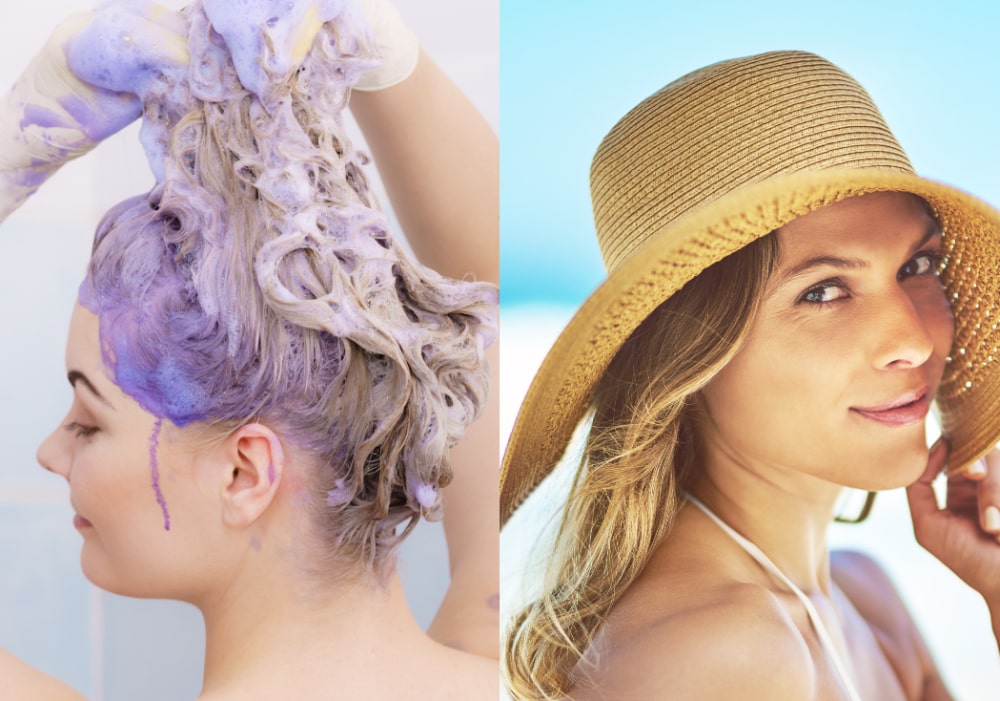
Going fully blonde does not end when you leave the salon. After bleach, the hair needs time to rest. A hydrating, bond-building treatment is the best support here; go easy on protein-heavy masks, because overusing protein can leave the hair brittle rather than stronger.
To maintain the tone, use a purple shampoo when the blonde starts looking too yellow, but do not overuse it or the hair can look dull or overly cool.
Because bleach can leave the hair feeling dry, nourishing shampoos, deep conditioners, and hair masks become important parts of your routine. Choose sulfate-free products when possible, and focus on keeping the hair hydrated so it stays smoother and softer between salon visits.
If you want to preserve the color and the texture, always use heat protection whenever you blow-dry your hair or style it with hot tools.
Limit direct sun exposure, too. If you are going to the beach or spending long hours outside, wear a hat. Sun can dry out bleached hair and make the hair color fade faster.
Follow the guidelines presented above if you want your hair color stay closer to the fresh salon finish you wanted.