

Disclaimer: This guide shares grooming tips for common shaving bumps and ingrown hairs. This content is for informational purposes only and does not constitute medical advice. For concerns regarding any medical issues, please consult a medical professional.
Ingrown beard hair is common after shaving, waxing, or tweezing. It happens when a hair curls back into the skin instead of growing out. The result can be bumps, irritation, and dark marks.
This guide explains what ingrown facial hair is, why it happens, how to prevent it and how to handle a bump safely at home.
⚠️ Warning
Frequent “razor bumps” are often called Pseudofolliculitis barbae (PFB). If a bump is hot, rapidly swelling, draining pus, or the redness is spreading, do not wait it out. Get medical care.
Do not use beard dye or bleach on ingrown hairs, open sores, or inflamed skin until fully healed. Dyes can burn broken skin and may make dark marks look worse.
What Does Ingrown Hair Mean?
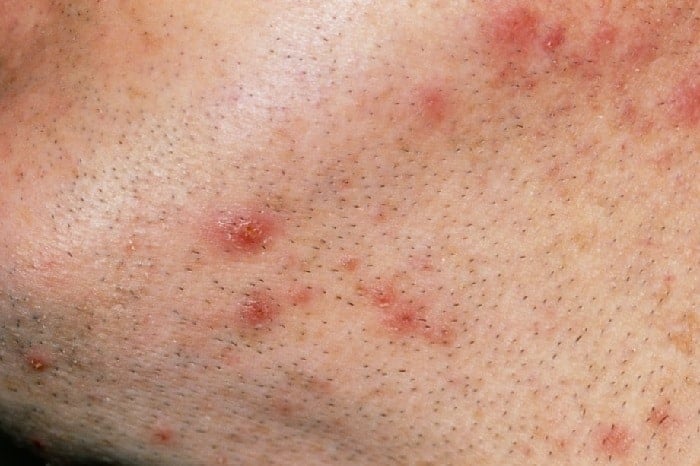
Hairs that grow into the skin instead of out of it are called ingrown hairs. This is common in the beard and mustache area, especially after a close shave. Repeated razor bumps are often called Pseudofolliculitis barbae (PFB).
Causes of Ingrown Facial Hair
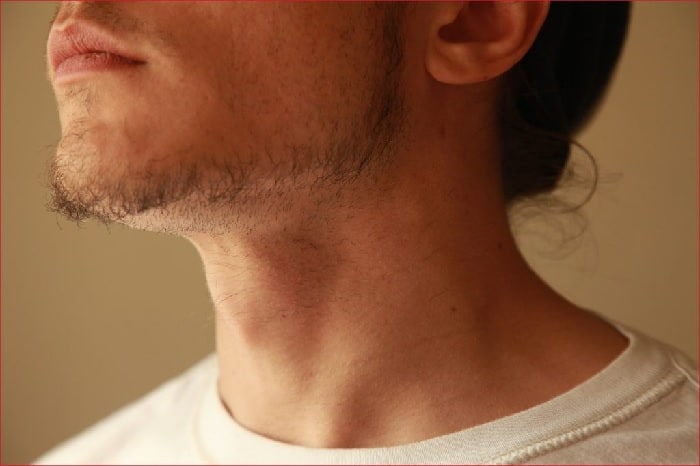
There are several causes of ingrown facial and beard hair. The most common are below.
Dry or rough skin: A build-up of dry skin can trap a hair as it grows. That makes it easier for the hair to curl under the surface instead of coming out cleanly.
Hair removal methods: Close shaving can cut the hair at an angle. That sharp tip can curve back into the skin. Waxing and tweezing can also change the way the hair grows back.
Hair texture or type: Ingrown mustache hair and beard hair are more common in men with thick, coarse, or curly hair than in men with straight hair. Curly hairs can bend and re-enter the skin more easily.
Itching and picking: After shaving, new growth can itch. Rubbing, scratching, or picking can inflame the follicle and make the bump worse.
Ingrown Mustache & Beard Hair Symptoms
The most common symptoms of ingrown facial hair include bumps, redness, tenderness, and itching.
Deep Inflammatory Bumps (Pustules)
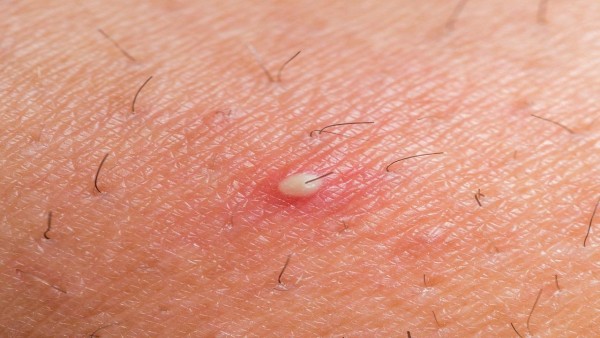
Ingrown hairs can sometimes turn into a painful bump that looks like a pimple. In some cases, the bump can fill with pus. If a bump is getting more painful, growing fast, feels hot, or spreading, use the AAD razor bump guidance and consider seeing a dermatologist.
Trapped/Embedded Hairs
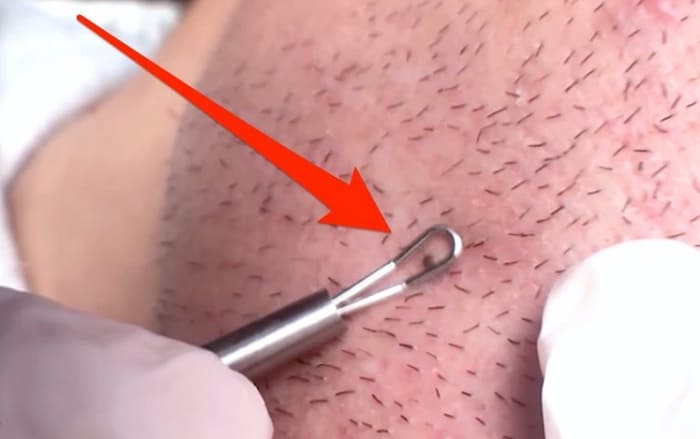
Ingrown facial hair can also look like a dark spot under the skin. This is often the hair shaft trapped under the surface, not a blackhead. Avoid squeezing, as it can crush the follicle and worsen inflammation.
Skin Irritation
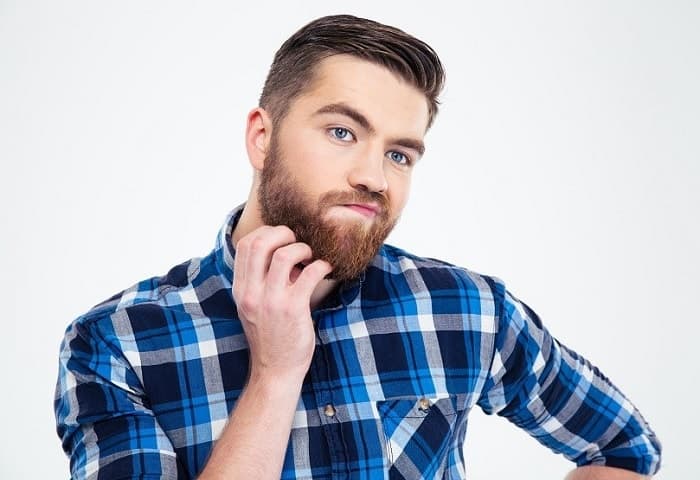
Ingrown beard hair can cause redness, irritation, and visible bumps in the beard area.
How to Grow a Beard without Ingrown Hair
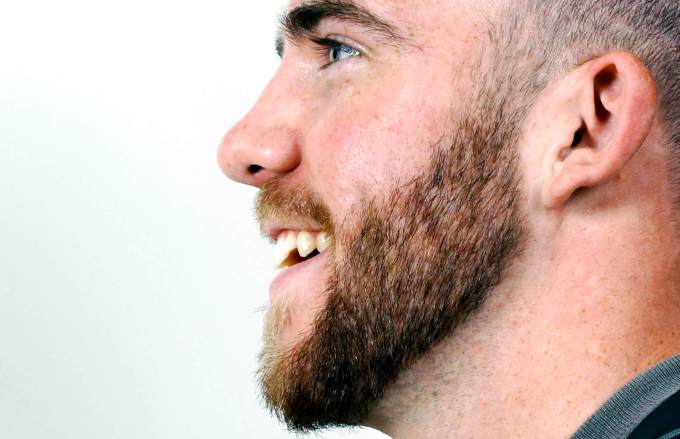
Shaving gel: Use shaving gel or cream and let it sit for a minute before you shave. This softens the hair and helps reduce drag.
Pre-shave oil: If you have coarse or curly beard hair, add a light pre-shave oil before your gel. This improves glide and reduces friction.
Skin exfoliation: Use a chemical exfoliant (like salicylic acid or glycolic acid) to gently dissolve the dead skin cells that trap hairs. Avoid physical scrubs (grains, beads, or rough brushes), as these can cause micro-tears and spread bacteria on sensitive or inflamed skin.
Good quality razor: Use a sharp, clean razor. If you get bumps often, consider a single-blade razor. Multi-blade razors can create a “lift-and-cut” effect that cuts hair below the skin line, which increases ingrowns. If you are prone to severe ingrowns, start with an electric trimmer or foil shaver that leaves light stubble (about 0.5–1 mm) instead of a clean shave.
Shaving technique: Shave in the direction of hair growth. Beard grain is often multidirectional, especially on the neck, so take a moment to “map” your grain by rubbing your hand over stubble to feel which direction is smoothest. Avoid stretching the skin and avoid shaving too close to the skin line.
Moisturizers: Apply a simple, fragrance-free moisturizer after shaving. If your skin is dry, moisturize daily.
Also, keep in mind that many shaving soaps can be alkaline, which can disrupt the skin barrier. A gentle, pH-friendly aftershave balm or moisturizer helps support the acid mantle and reduce irritation.
How to Get Rid of Ingrown Facial Hair
To manage an ingrown hair safely, use the steps below. Avoid digging or forcing a hair out.
Chemical Exfoliation (BHA/AHA)
Chemical exfoliants are a first-line option for ingrowns because they help dissolve the dead skin (keratin) that traps the hair.
- Salicylic acid (BHA): Helps clear clogged follicles and reduce bumps.
- Glycolic acid (AHA): Helps loosen dead skin on the surface so hairs can grow out more easily.
- Benzoyl peroxide: Can help if bumps are inflamed or look like folliculitis, since it reduces bacteria on the skin. (Warning: This ingredient can bleach hair and towels. Rinse thoroughly.)
Start slowly, patch test, and stop if your skin burns or peels. Do not use acids on open cuts or actively weeping sores.
Hydrocortisone 1% Cream
If the bump is significantly red or itchy, a small amount of over-the-counter 1% hydrocortisone cream can help reduce inflammation and soothe the itch. Use this for a few days to calm the flare-up, but avoid long-term use. Always consult with a professional
Natural Healing
Some ingrown mustache or beard hairs settle on their own in a week or two. Do not pick at the bump. Give the area time to calm down. If the bump is hot, rapidly swelling, filled with pus, or the redness is spreading, do not wait. Get medical care.
Releasing (Do Not Pluck)
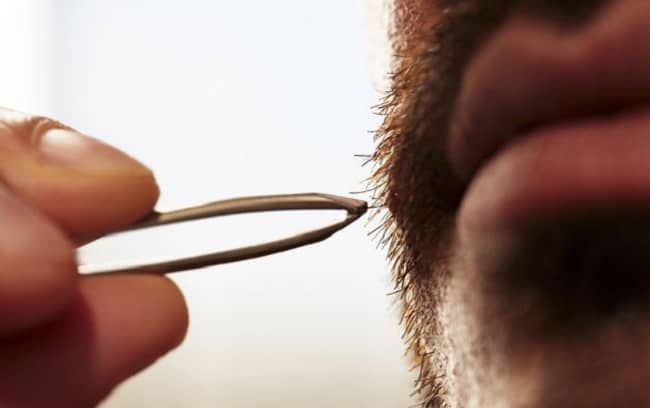
Start with a warm compress. Hold a warm, damp towel on the area for about 5 minutes to soften the skin.
Only try to release an ingrown if the hair loop is clearly visible at the surface. Disinfect tweezers with rubbing alcohol (70% isopropyl alcohol), then gently lift the loop so the hair tip sits outside the skin.
Do not pluck the hair out from the root. Plucking can make it grow back sharper and deeper, which can worsen the cycle. Do not dig for deep hairs and do not force the hair out. If the hair is deep, swollen, or very painful, it is safer to leave it alone and seek professional help.
Alcohol Products
Avoid harsh alcohol wipes on broken or very irritated skin. They can sting and overdry the area. That said, in some spot treatments, drying alcohols (like isopropyl alcohol or SD alcohol) are used as a vehicle to deliver antiseptics. If you use a drying product, follow with a simple, fragrance-free moisturizer. (Fatty alcohols like cetyl or stearyl alcohol are different and are typically moisturizing.)
Laser Treatment
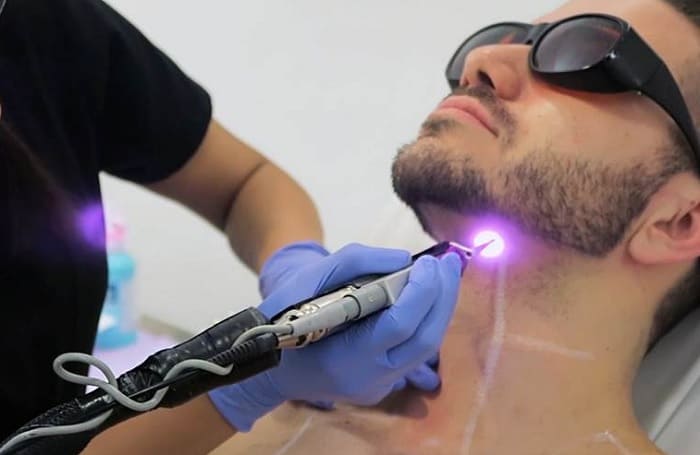
If ingrown hairs keep coming back, long-term hair reduction may help. Options include laser hair reduction and electrolysis. These are professional services and should be done by a qualified provider. The AAD guide to hair removal methods explains the main options and what to expect.
Professional Removal
If an ingrown hair is deep, very painful, or looks infected, see a dermatologist. They can remove the hair using a sterile extraction, and they can treat a swollen bump if needed. Do not try to cut or lance the area at home.
FAQs
Yes. Ingrown facial hair can cause bumps, redness, itching, and tenderness. If a bump becomes very painful, fills with pus, or the redness spreads, it is best to see a dermatologist.
Yes. Waxing and tweezing can lead to ingrown hairs when the hair grows back with a sharp tip or grows at an angle. This is more common with curly or coarse hair.
You May Also Like