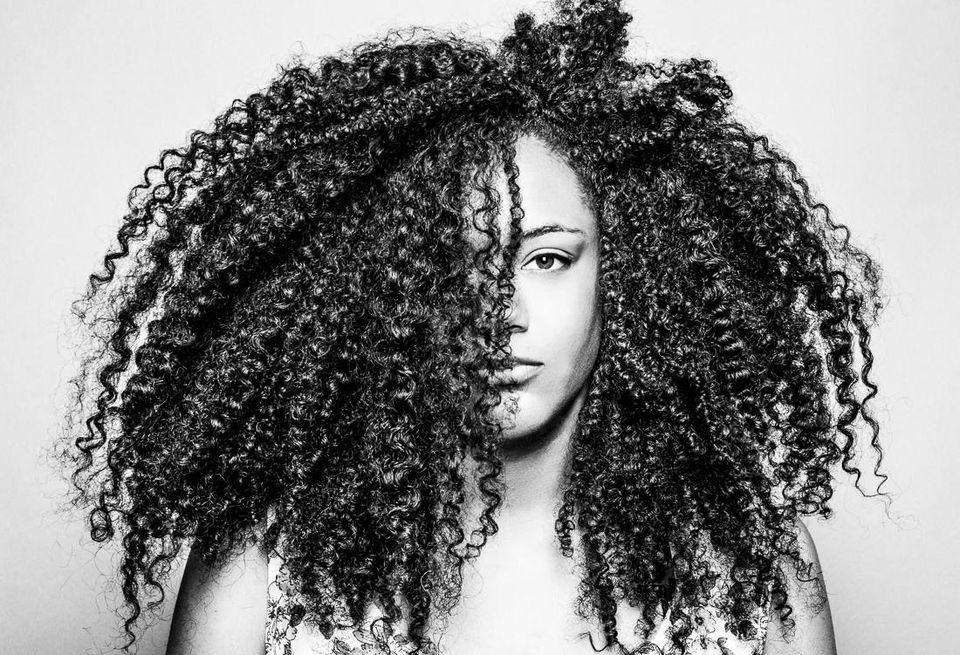


A perm is a way to have bouncy curls daily without using heat tools. The two main types of perms are regular perms, also called cold perms, and heat-based digital perms. If you’re thinking about getting a perm, both are perfect solutions if you have straight hair and want to add volume and texture.
To help you choose from regular or digital perm, we’ve listed what each entails and the differences between the two.
What is a Regular Perm?
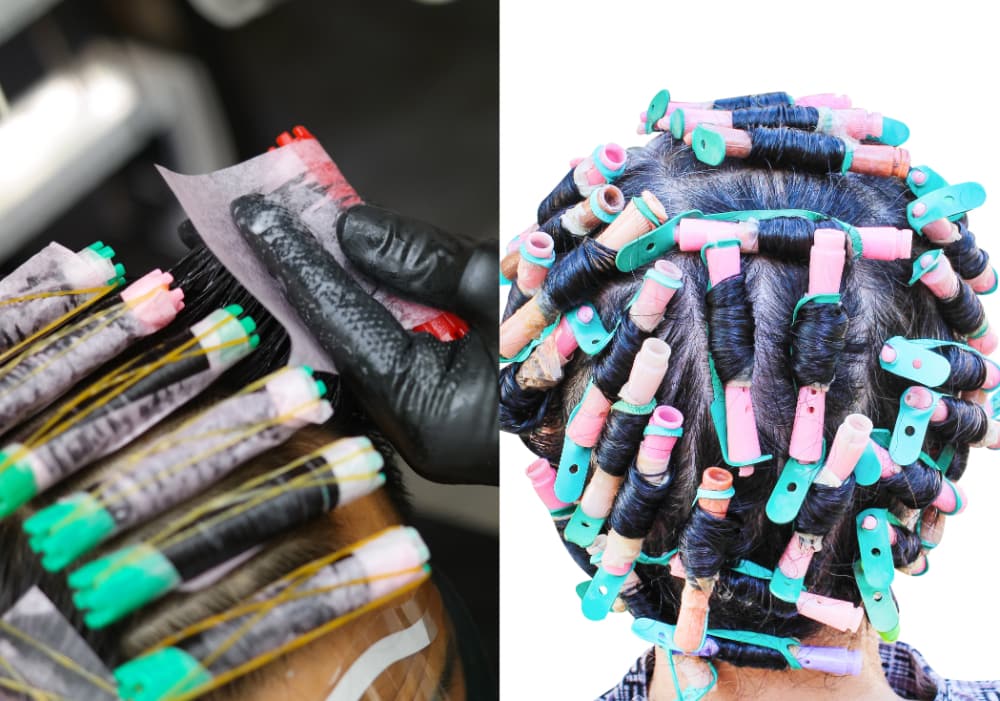
Regular perm is also called cold perm or cold-wave perm, as no heat is involved. Regular perms often use an alkaline solution of ammonium thioglycolate to saturate your hair while it’s in rollers.
Ammonium thioglycolate breaks the keratin bonds inside your hair. This allows the hair to reform as curly or wavy, according to your hair length and the size of the rollers you chose.
Your hair won’t be as strong as it was before the procedure because the keratin bonds inside the hair must break, which entails damaging the hair. Regular perms are best for strong, coarse hair.
What Else to Expect with A Regular Perm?
You need to care for your perm. For the first 48 hours, you shouldn’t wash your hair after receiving a regular perm, as the chemicals are still setting. The alkaline solution is drying to the hair, as it lifts the hair cuticle, leaving the hair porous.
Avoiding heat during the first few weeks and using hydrating conditioners can help your hair find an ideal moisture balance. Permed hair is more curly when wet, so you can use mousse to set your curls and air dry for a defined look.
What is a Digital Perm?
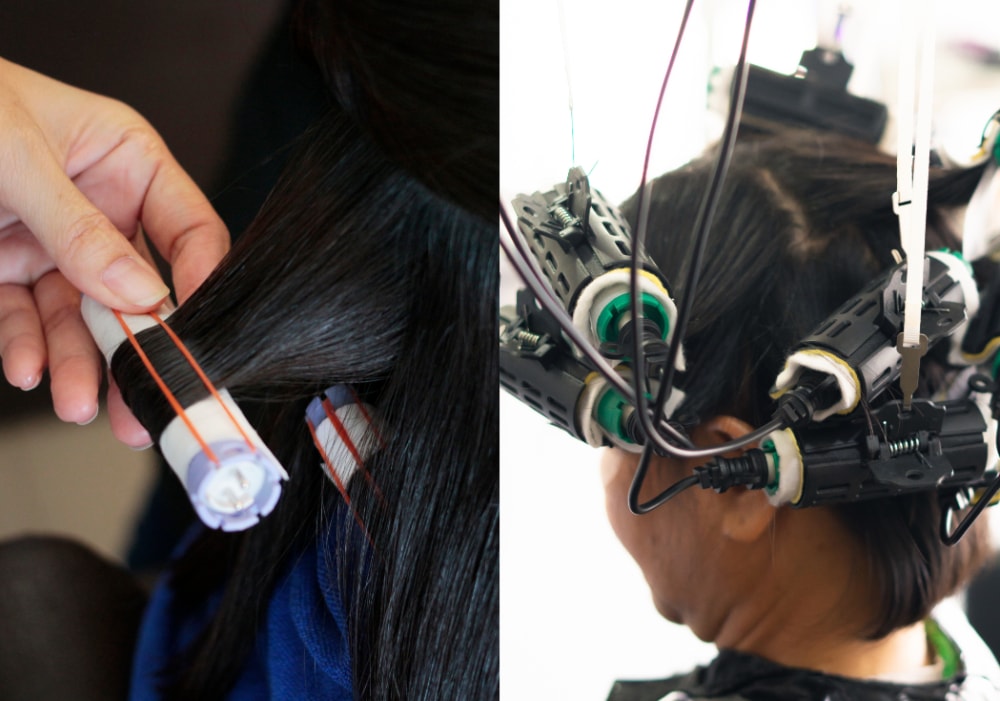
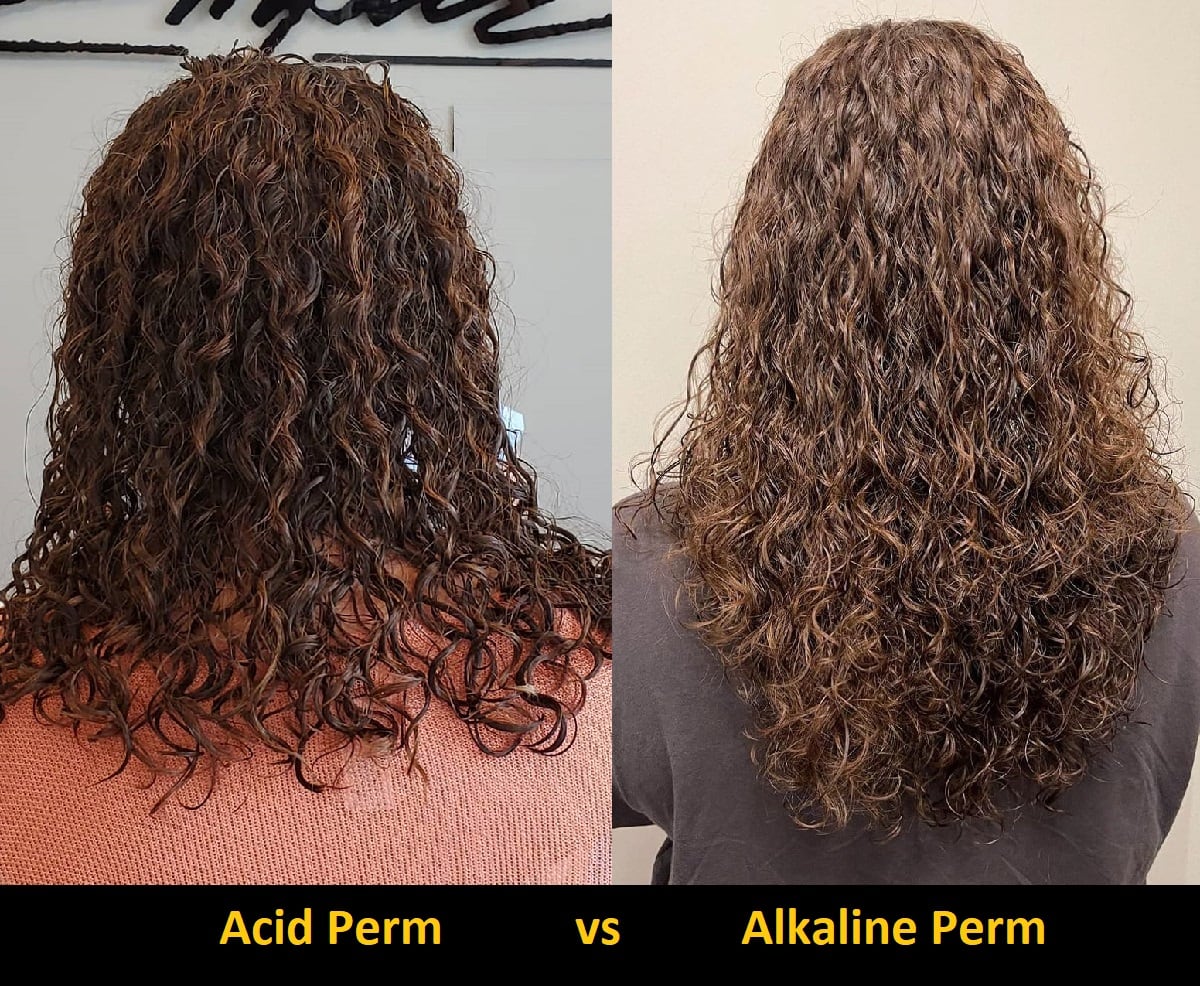
A digital perm is a hot perm. The technique was created in Japan for very straight, Asian hair. It is a popular procedure in South Korea, as well. Digital perms restructure the hair from the inside using a chemical solution and heat. Some formulas are gentler than traditional cold waves, and some are acidic. However, many formulas are alkaline. The real difference is the thermal process: the solution breaks the bonds, and heat is used to “bake” the curl memory into the hair structure.
Acidic formulas may swell the cuticle less, but the solution still needs to penetrate into the hair to break and reform bonds. Heat is applied to the rods to thermally restructure the hair bonds while they are in the curled shape. This creates a “dry curl” that looks most defined when the hair is dry, unlike a cold perm which looks best when wet.
These rollers connect to a machine that keeps the heat at a steady temperature. With heat, the solution can help break the keratin bonds within the hair.
Heat is part of this treatment, and processing can take longer depending on the formula used and how tight you want the resulting curls. Once the allotted time has passed, other chemicals are used to set the curls.
The rollers are typically large and placed away from the scalp. So this processing isn’t ideal for short hair.
What Else to Expect with A Digital Perm?
Digital perms take several hours to finish. Your curls will come out loose, wavy, and bouncy. They are more defined when your hair is dry. You might find that you only need to boost your curls by wrapping your hair around your hand or fingers.
This type of perm works really well on long hair. Because many styles only curl the bottom half of the hair, a digital perm can last up to a year. Digital perms can be done on fine hair, but because heat is involved, already compromised hair should get a professional strand test first.
Use hydrating, moisture-retention products to help counteract the drying effects of the perm. You might have frizz during the first few weeks until your hair finds its moisture balance.
What Do a Regular Perm and a Digital Perm Look Like?
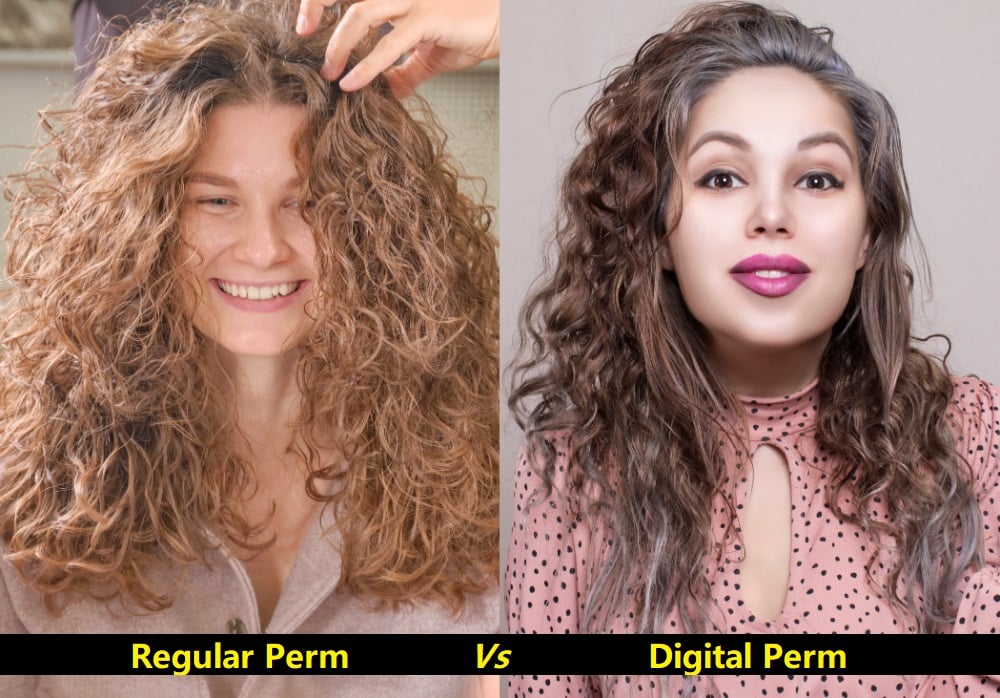
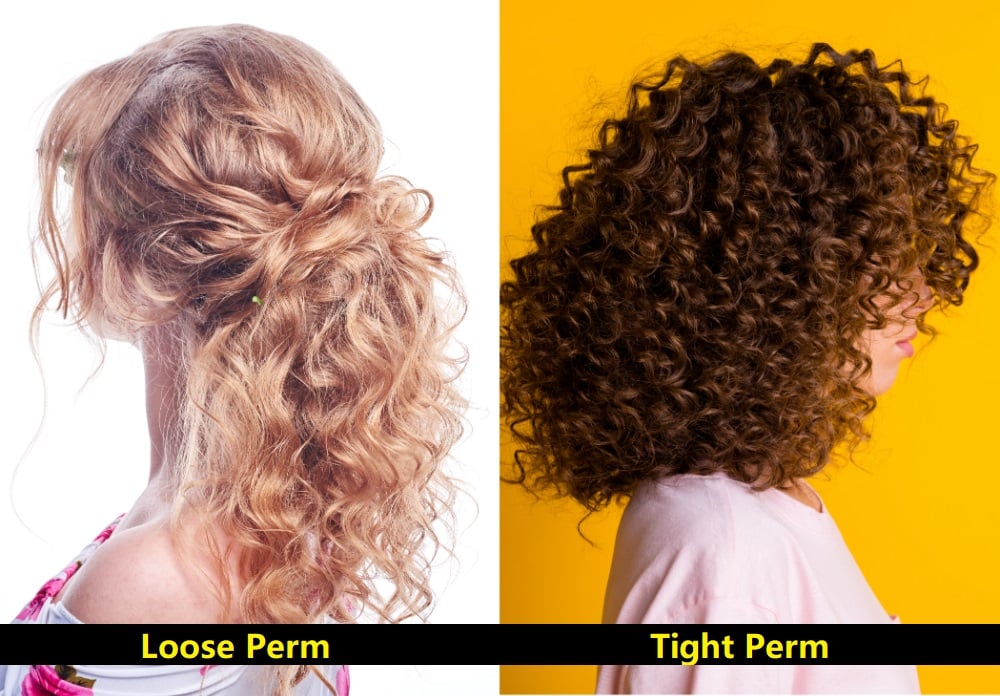
A regular perm uses harsher chemicals, so the curls come out tighter. Even if you use a large one-inch roller, the resulting curl can still come out tight and springy.
Tight and loose perms also depend on rod size and wrapping, so the final curl pattern is not determined by heat or formula alone.
With a digital perm, you can get either curls or waves, depending on the size of the roller, the temperature used, and how long the rollers stay in your hair.
During your consultation with your stylist, if you show a picture of exactly how you want your hair to look, they can help you choose the right type of perm so that your curls or waves come out as desired.
Regular Perm vs. Digital Perm At A Glance
There are many differences between the regular and the digital perm. Here are some of them:
| Feature | Regular Perm (Cold Wave) | Digital Perm (Hot Perm) |
|---|---|---|
| Best for | Short to medium hair | Medium to long hair |
| Styling result | Wash & go look (most defined when wet or gelled) | Heat-styled look (most defined when dry) |
| Heat use | None (chemical reaction only) | Yes (chemicals + controlled high heat) |
| Volume placement | More volume at the roots | Volume starts at mid-length |
| Hair health notes | Can be drying and may cause frizz | Heat adds risk; not generally recommended for bleached hair without a professional strand test |
| Longevity | 3–6 months before the curls loosen | 6–12 months before the curls loosen |
| Curl type | Tighter, defined ringlets | Looser, soft “blow-out” waves |
Expert Note | Yashandeep Kaur
Perms can add curls and volume, but they involve chemicals, and digital perms also use heat. If your hair is dry, brittle, bleached, or damaged, I recommend asking a professional stylist to check what is best for your hair.
So, What’s The Difference Between Regular Perm and Digital Perm?
Digital perms and regular perms both make curls, but they do so in different ways. Different chemicals and processes are used.
A regular perm is quicker, but it can be more damaging to the hair. But if the results are what you’re used to, and you prefer them, go for it.
A digital perm is a newer technique that uses heat. You’ll have a looser curl, but it can still cause damage, especially on fragile hair. Whichever method you choose, let your curls shine!
But what if you get a terrible perm? Well, you can fix it without sacrificing hair length.