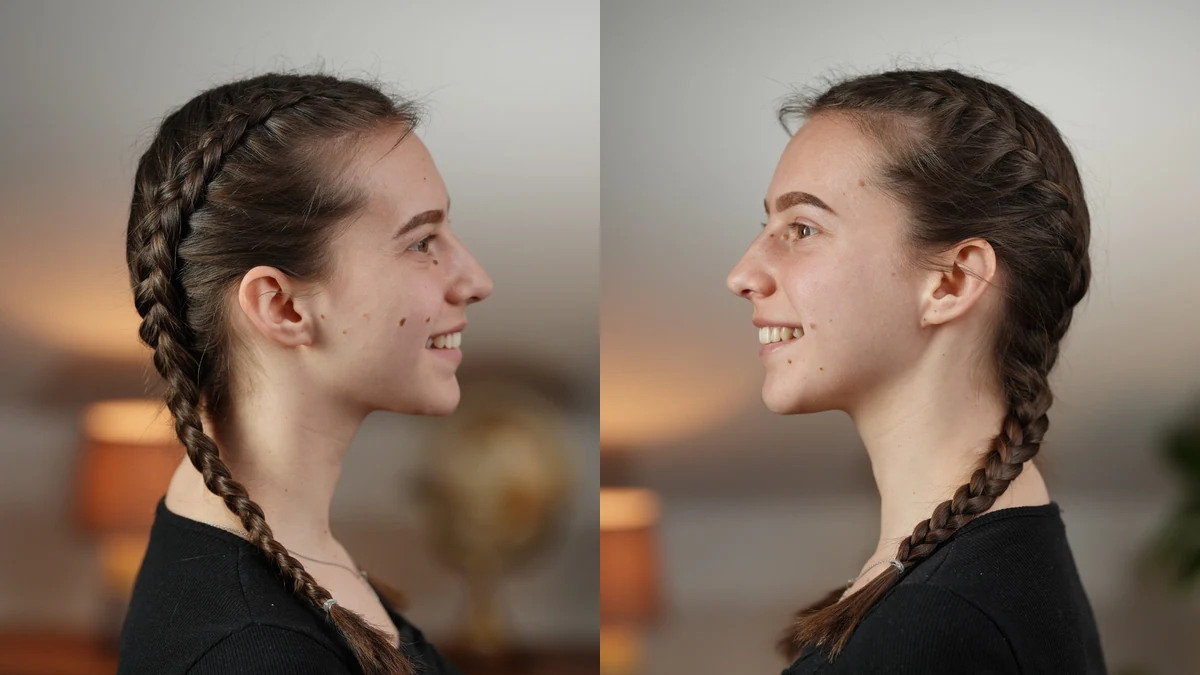

French braids can run straight down the back, sit in pairs or form the base of an updo. The same overhand technique works with natural texture or stretched hair, giving you different ways to arrange the braid and finish the ends.
Below are nine French-braid looks for Black hair, followed by one cornrow alternative. French braids cross the outer strands over the middle; cornrows use underhand crossings. You will also find the basic French-braiding steps after the styles.
French Braid and Cornrow Styles for Black Hair
1. Single French Braid with a Short Tail
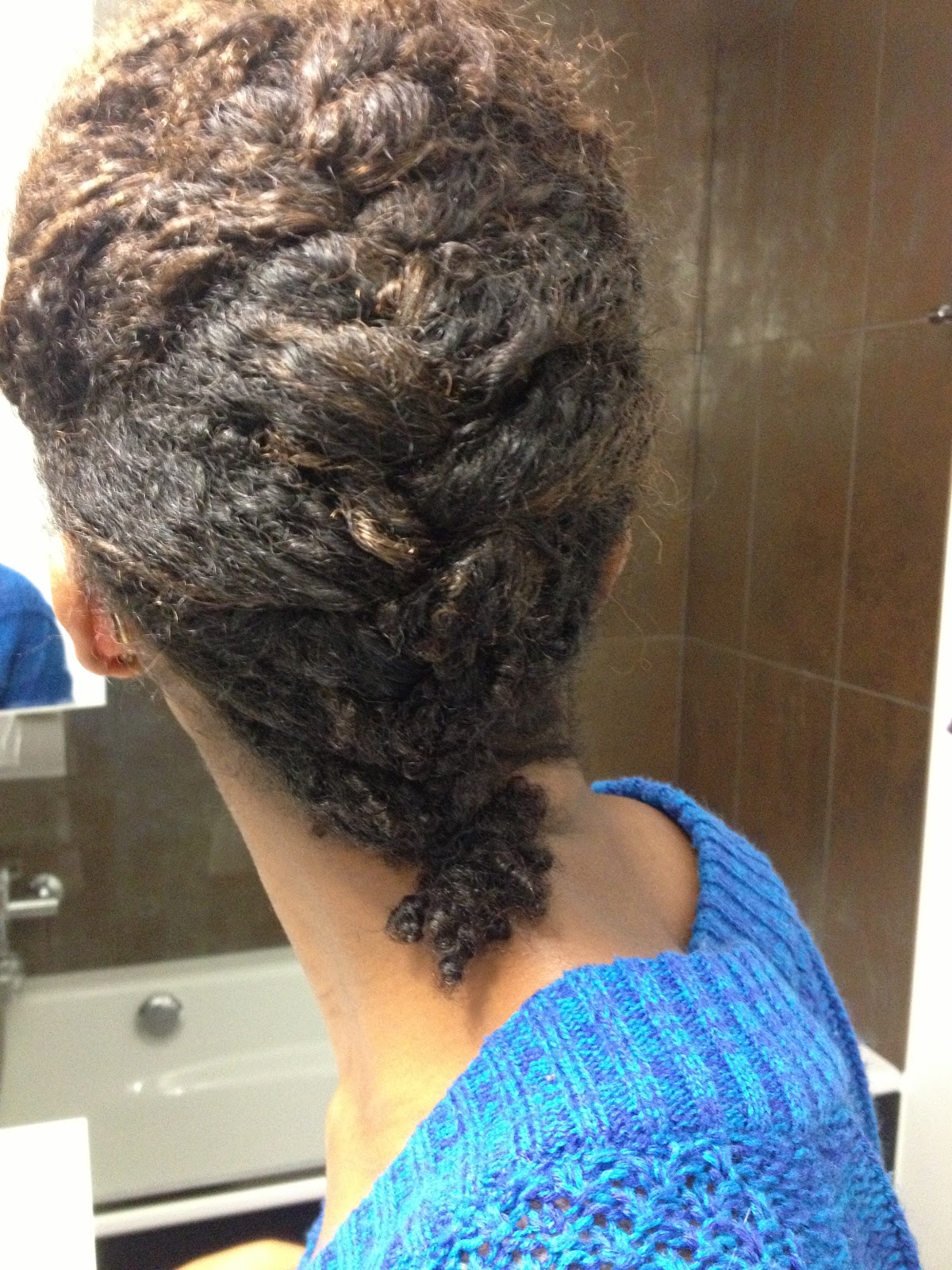
One wide French braid runs down the center of the head and finishes in a short, textured tail. Rounded stitches and lighter pieces add definition through the middle, while the crown keeps a little fullness.
Gently stretch and detangle the hair first if needed, then gather manageable sections as you braid downward. Secure the short tail with a small, snag-free band.
2. Side-Parted Double French Braids
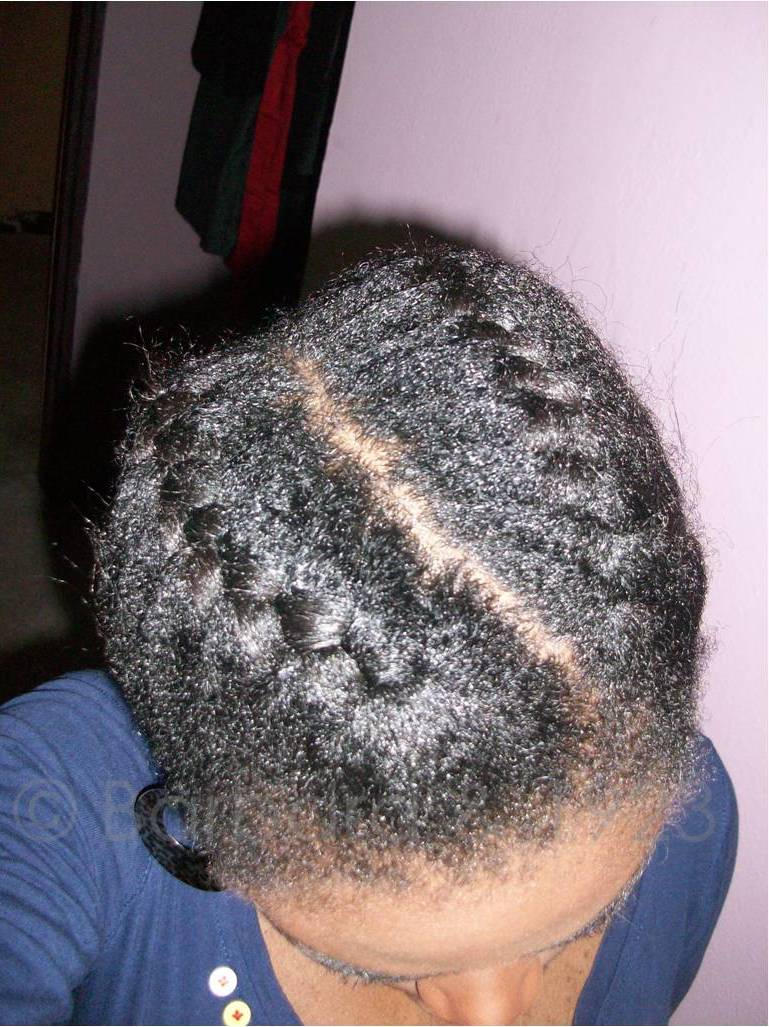
A diagonal part gives these two French braids an off-center shape. Each braid gathers textured hair close to the head, and the ends tuck neatly at the nape for a compact finish.
Trace the part before you start braiding, then clip one side out of the way. Keeping the sections separate makes it easier to follow the slanted line.
3. Chunky French Braids with Tucked Ends
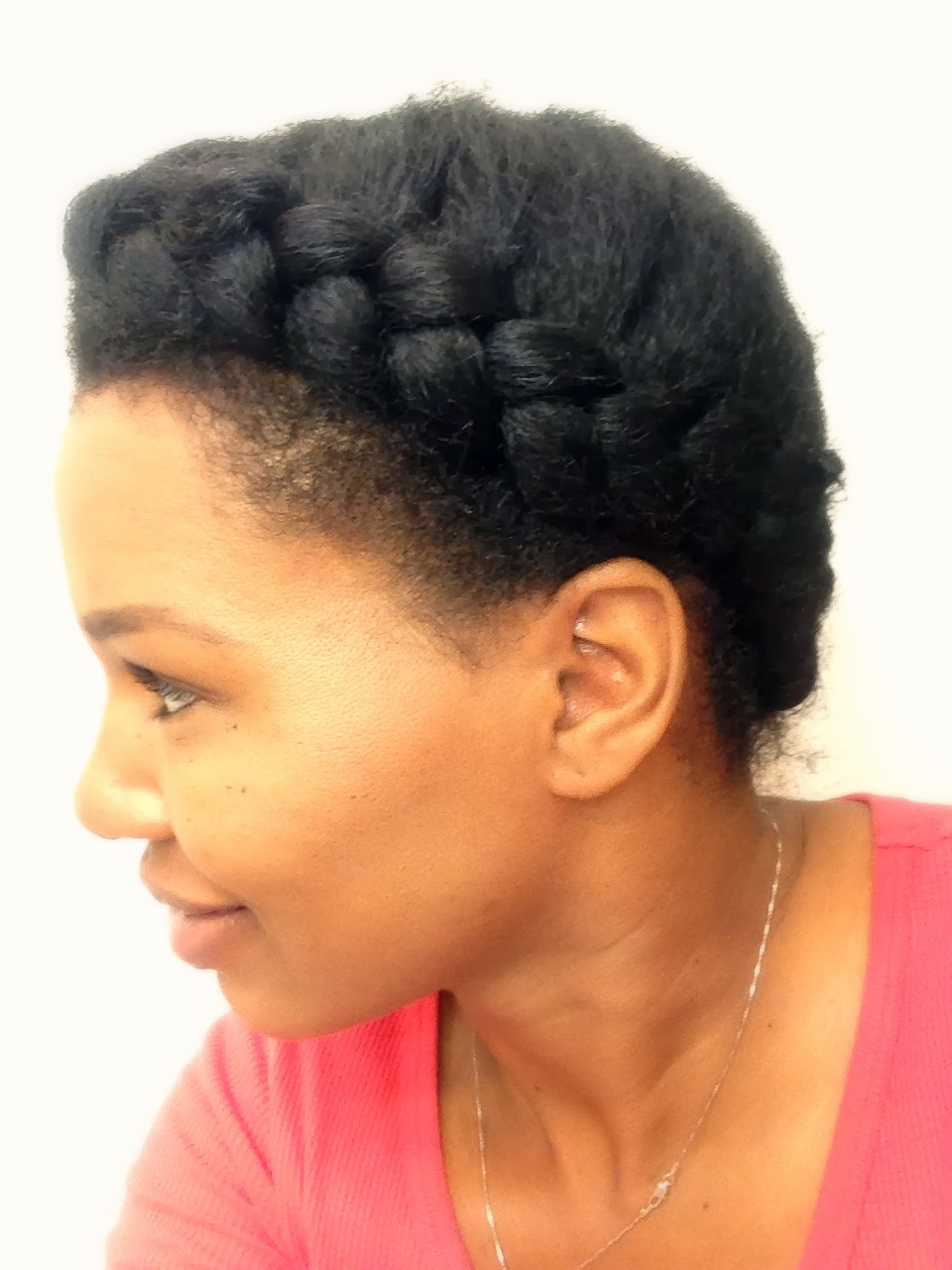
Broad French-braid sections curve from the hairline toward a tucked finish at the nape. Their rounded shape gives this updo fullness around the sides, with natural texture still visible at the crown.
Work with even sections to keep the stitches a similar size. Use small pins to secure the tucked ends while leaving the braids’ rounded shape intact.
4. Centered Half-Up French Braid
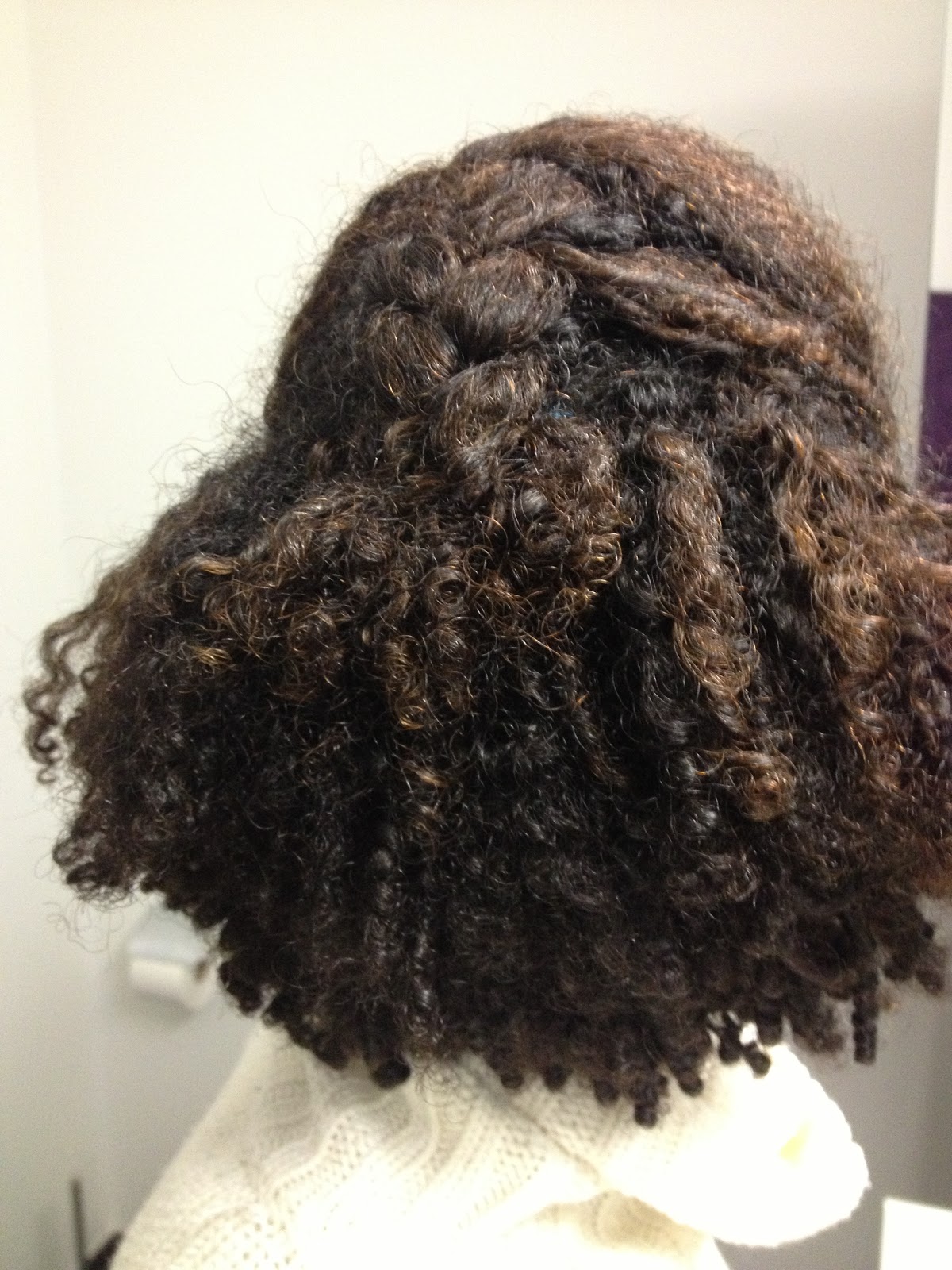
A short French braid holds the top section back, leaving a full layer of curls loose underneath. The braid ends high on the back of the head, and lighter strands outline its broad stitches.
Separate the lower hair before braiding the crown. Secure the braid above the loose curls, then arrange the lengths with your fingers.
5. Half-Up French Braids with Coily Lengths
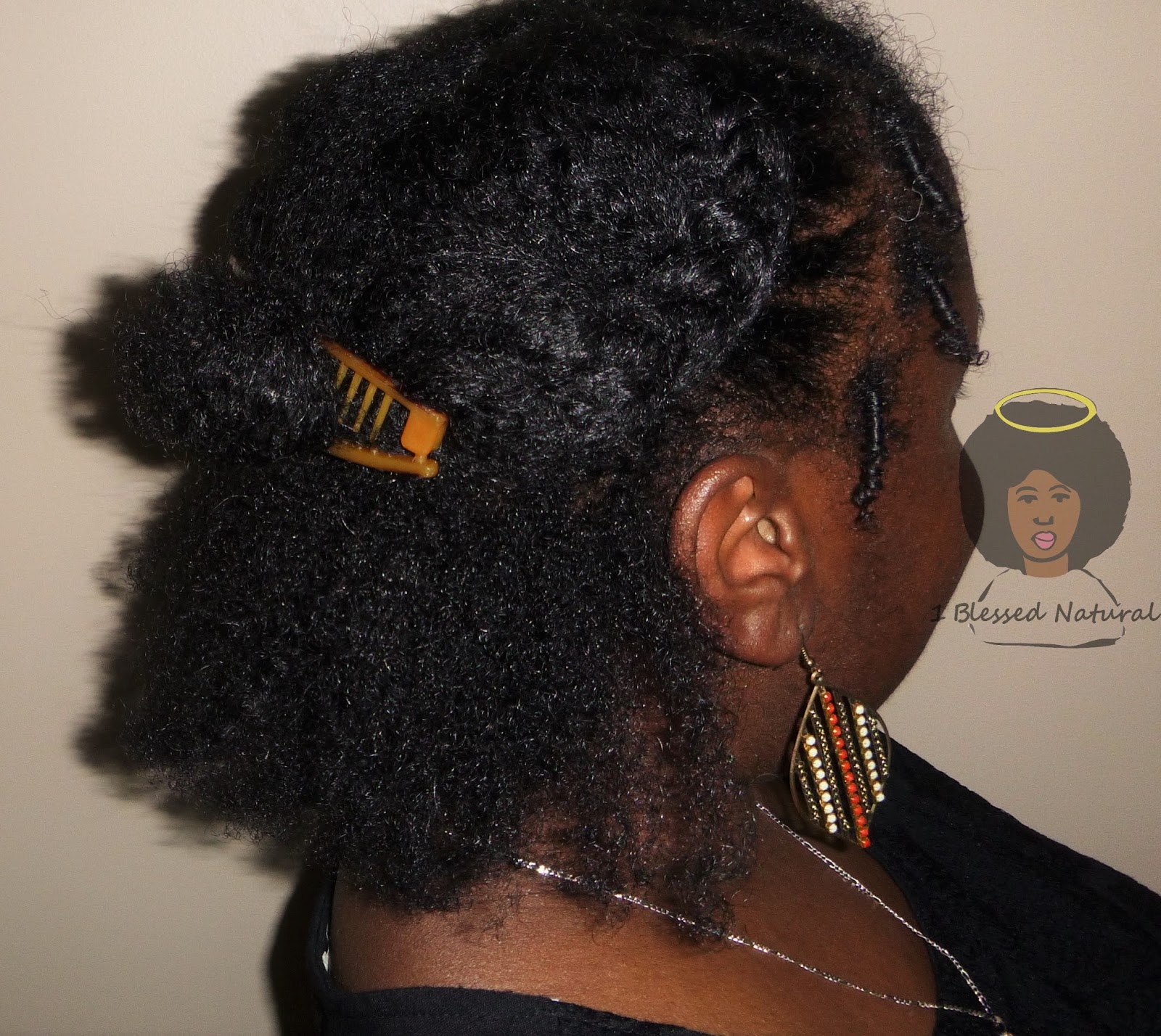
The upper hair is French-braided back on both sides, then gathered with a banana clip. Loose coily lengths fill out the back, and two defined coils at the front add detail around the face.
Separate the upper and lower hair before you begin, keeping the loose section out of the way while braiding. Choose a clip that closes comfortably without pinching or pulling.
6. Textured Upside-Down French Braid
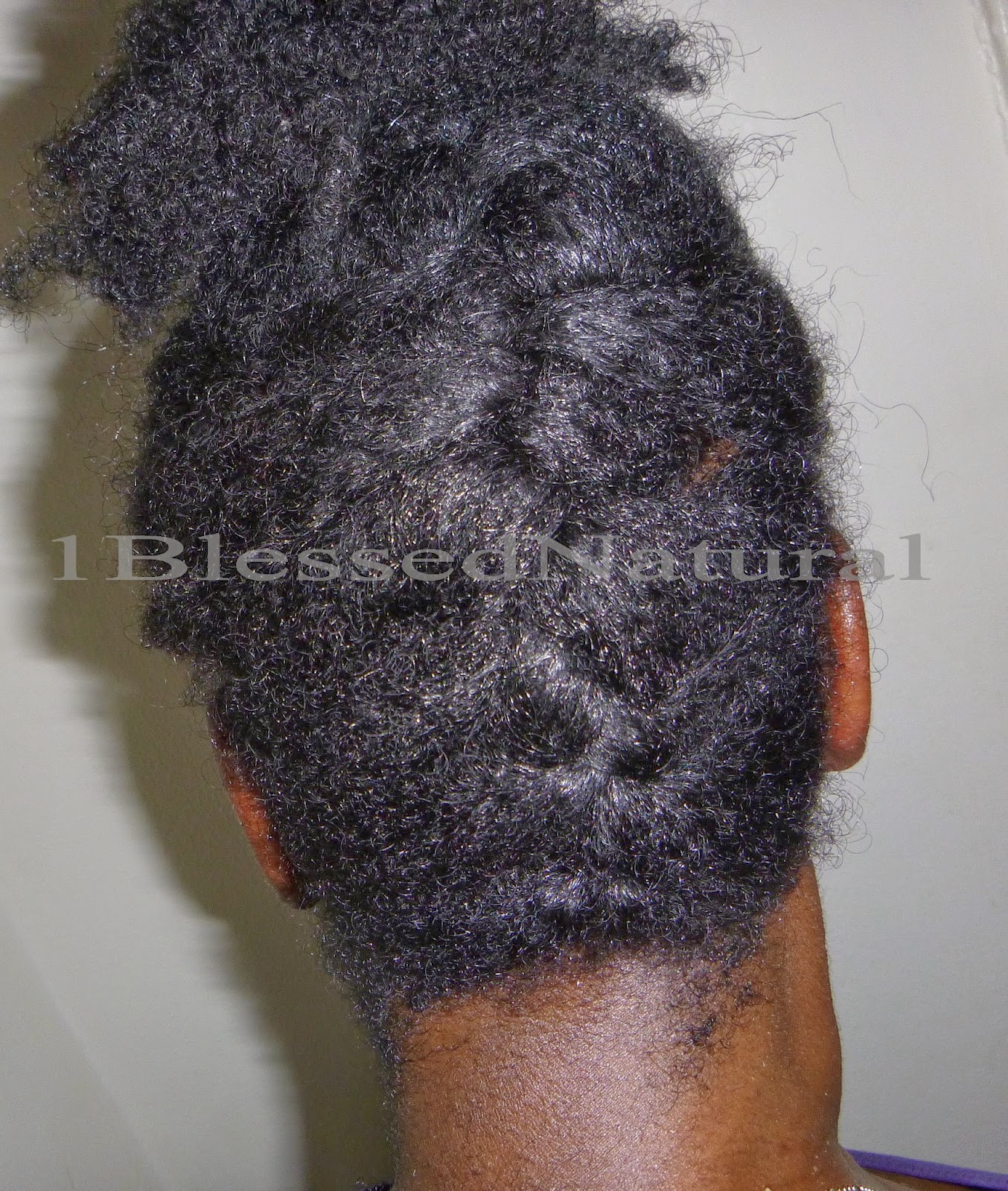
This upside-down French braid gathers textured hair from the nape, leaving soft volume above it. Broad, overlapping sections form the woven center while the hair’s texture stays visible along the sides.
Stop the braid before you reach the crown and secure it. Leave the upper hair loose for a fuller, textured finish.
7. Upside-Down French Braid with a High Bun
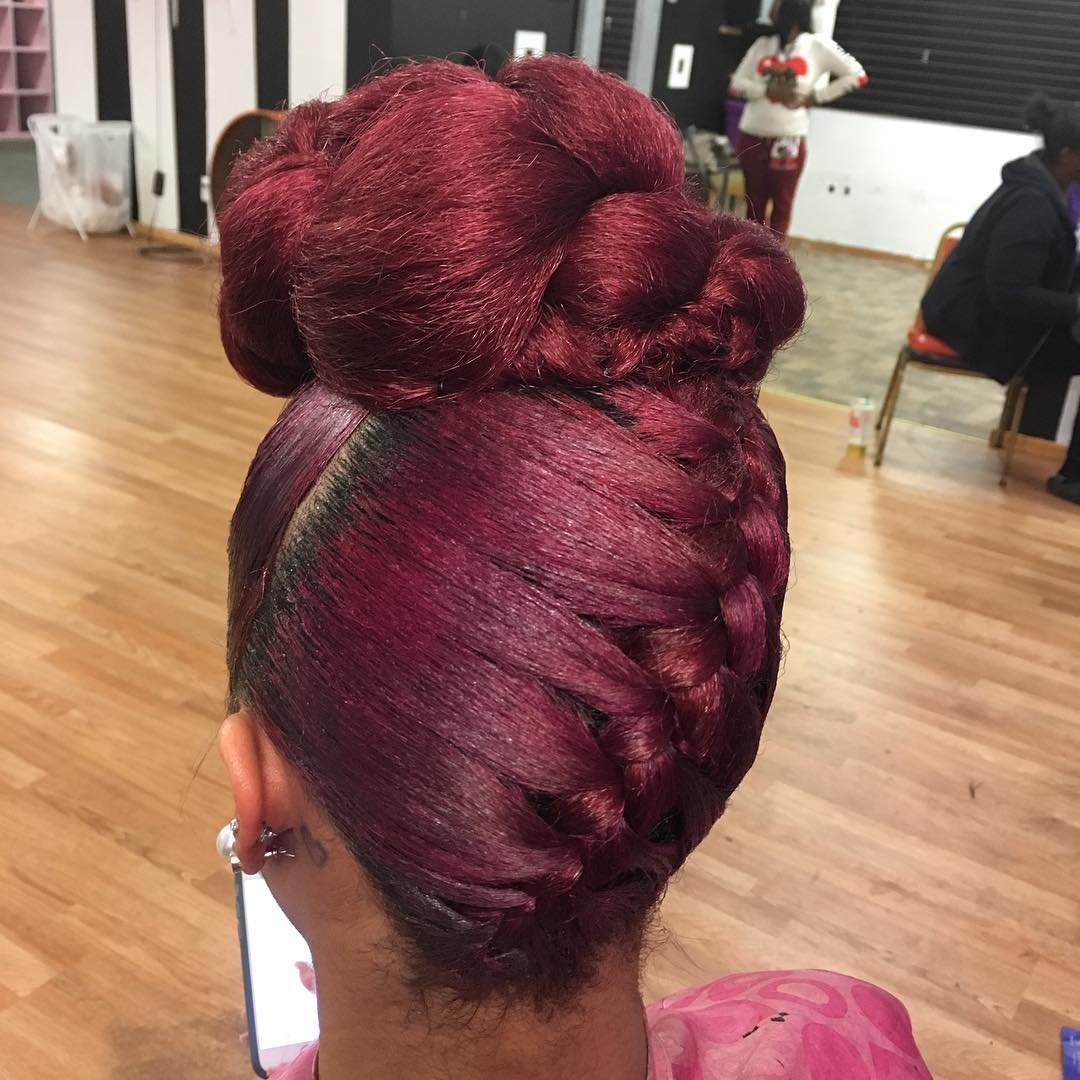
Burgundy hair highlights the broad sections of this nape-to-crown French braid. The braid meets a high, looped bun, adding height above the smooth sides while keeping the length gathered away from the neck.
Detangle gently before you begin, then keep your hold even as you braid upward. Aim for a secure finish without pulling at the hairline.
8. Four-Section French-Braided Updo
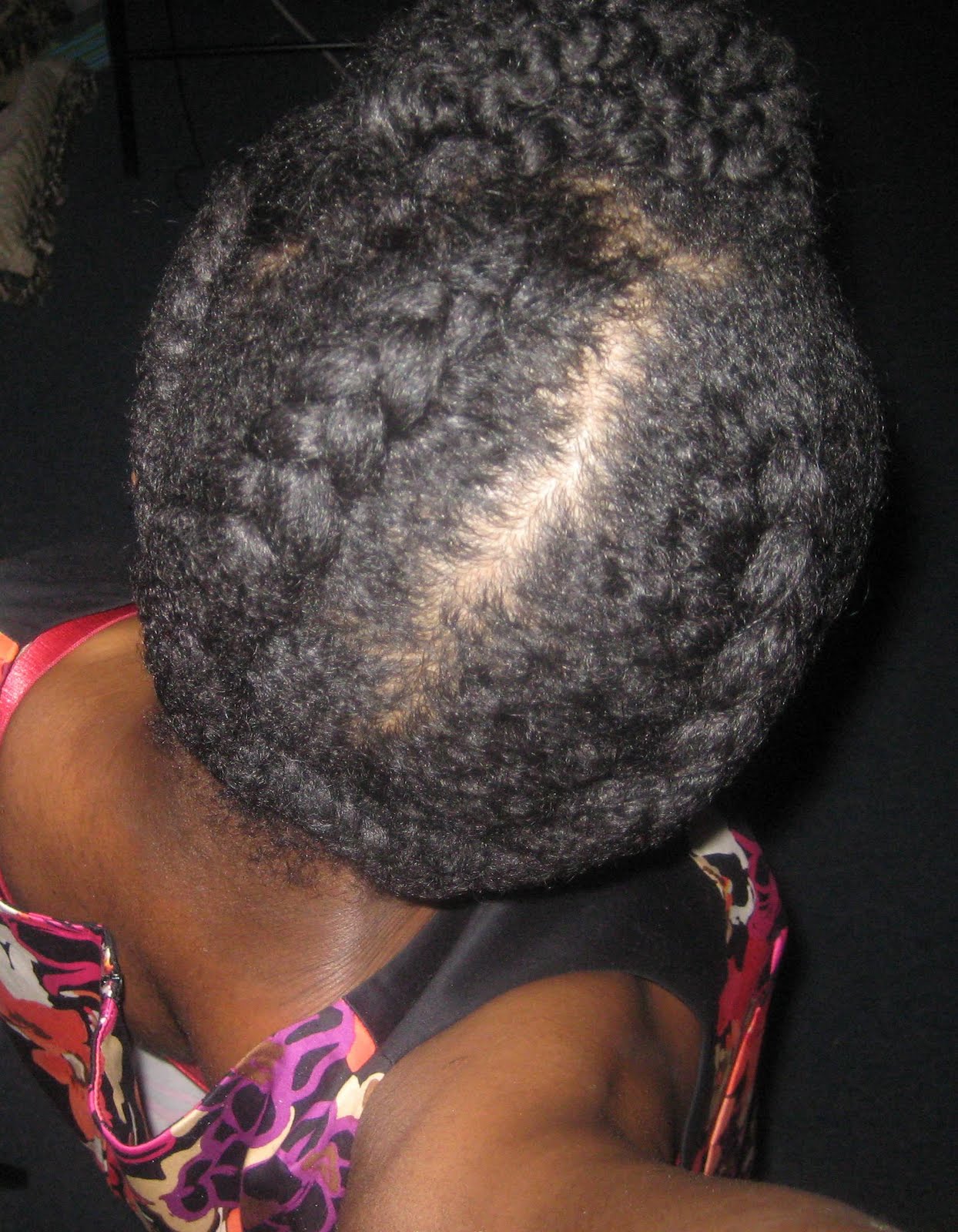
Side braids feed into two larger back braids in this tucked updo. The sectioning creates a woven pattern across the back, with the ends pinned away from the neck.
Part the side and back sections before you begin. Braid each one with an even, comfortable hold, then tuck and pin the ends.
9. French-Braided Updo with a Rolled Front
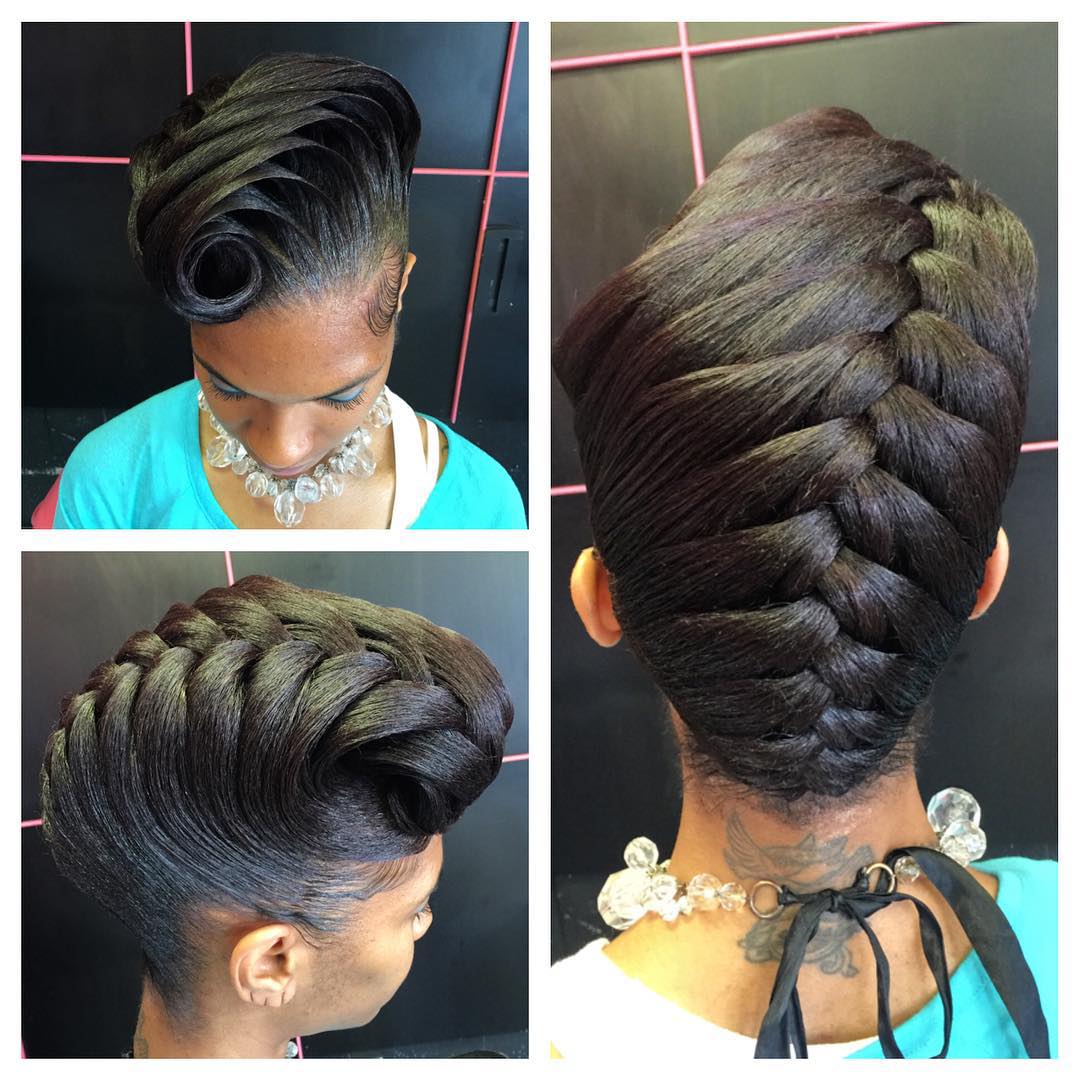
A broad French braid gathers the back into a sculpted updo, with a large roll sweeping over the forehead. Smooth sides and wide, overlapping sections give the style its shape.
Keep the sides neatly gathered and tuck the ends beneath the roll. This leaves the woven detail and curved front as the focus.
10. Four Cornrows into Two Braids

Four raised cornrows join into two long braided tails in this cornrow alternative. The four-to-two layout offers another way to wear braided styles for Black hair.
For this cornrow layout:
- Part the hair into two main sections.
- On each side, separate a small section above the ear.
- Cornrow each small section and secure its end.
- Cornrow the larger section toward the nape.
- Near the nape, bring the smaller braid into the larger braid and continue down the length.
- Repeat on the other side.
Show your braider the photo if you want to keep the smaller side rows and the two longer tails.
Keep the braids comfortable rather than pulling them tightly at the hairline.

How to French Braid Hair
The basic French braid uses three strands. Cross the outer strands over the middle, adding loose hair from the same side before each new crossing.
Detangle the section you plan to braid and keep the remaining hair out of the way.
At the starting point, divide a small section into three even strands.
- Cross the right strand over the middle strand.
- Cross the left strand over the new middle strand.
- Add a small section of loose hair to the right strand, then cross it over the middle.
- Repeat on the left, adding hair before crossing the outer strand over the middle.
- Continue alternating sides until all the hair in that section has been added.
- Finish with a regular three-strand braid, or secure the braid at the point the style requires.
Short hair can work if the sections stay within the braid. Loose ends, layers and the finish you want will affect the result; a braider can advise whether added hair would help.
Watch the braiding demonstration: