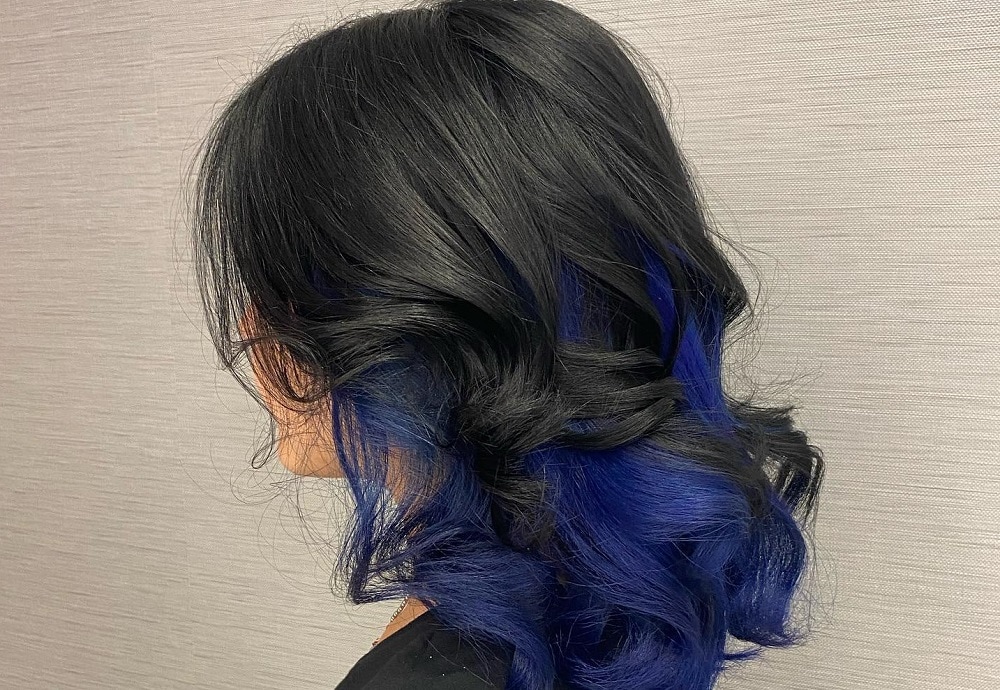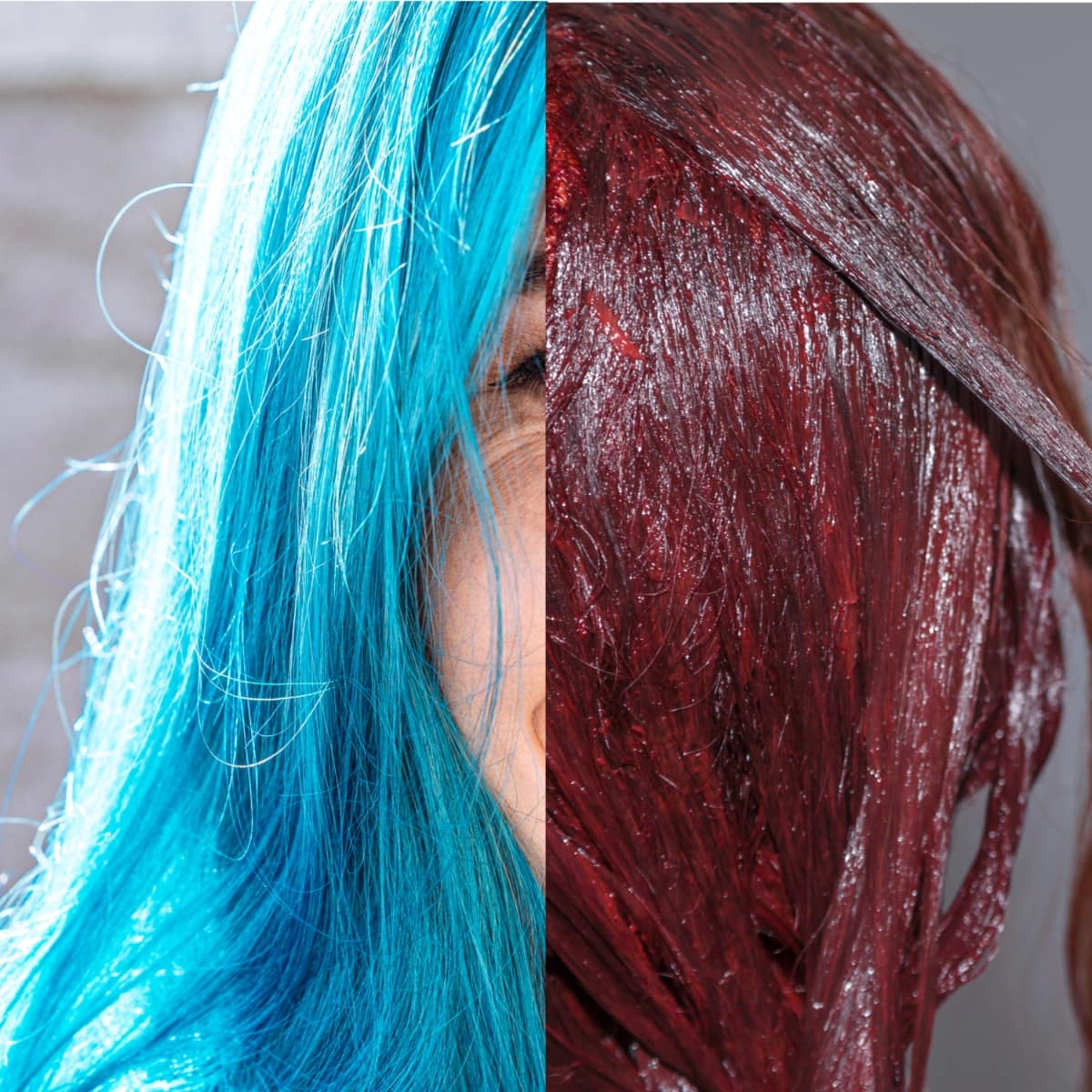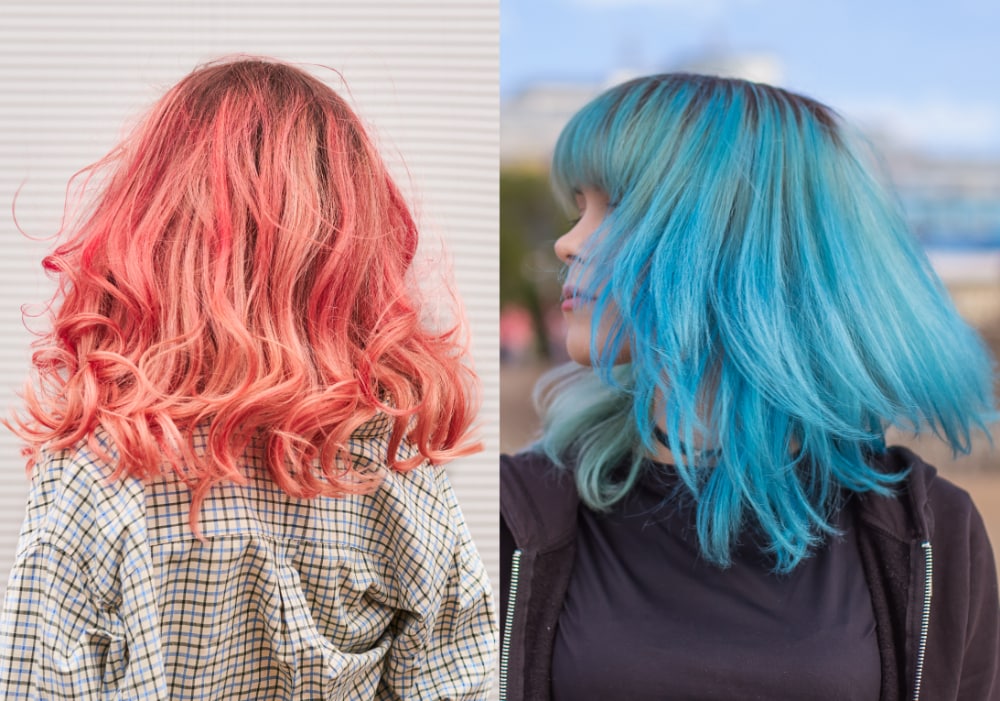

If you have black hair and want to dye it blue, there are two main ways to do it.
The easiest option is to use a temporary blue dye made for dark hair. It causes less damage and does not require bleach, but the color may last only a few washes.
For a stronger, longer-lasting blue, you can lighten your hair first and then apply a semi-permanent blue dye. This takes more preparation and can be more damaging, but it gives the blue pigment a better base to show up. Whole-head lightening is the riskiest step in this plan; if your hair is already colored or fragile, that part belongs with a licensed colorist.
For a deep midnight blue, black hair usually does not need to be lifted all the way to blonde. Light brown or dark orange can be enough. Brighter or pastel blues usually require much lighter hair.
A professional stylist can help you get the most even result, but if you plan to dye your hair at home, the right products, preparation, and technique are essential.
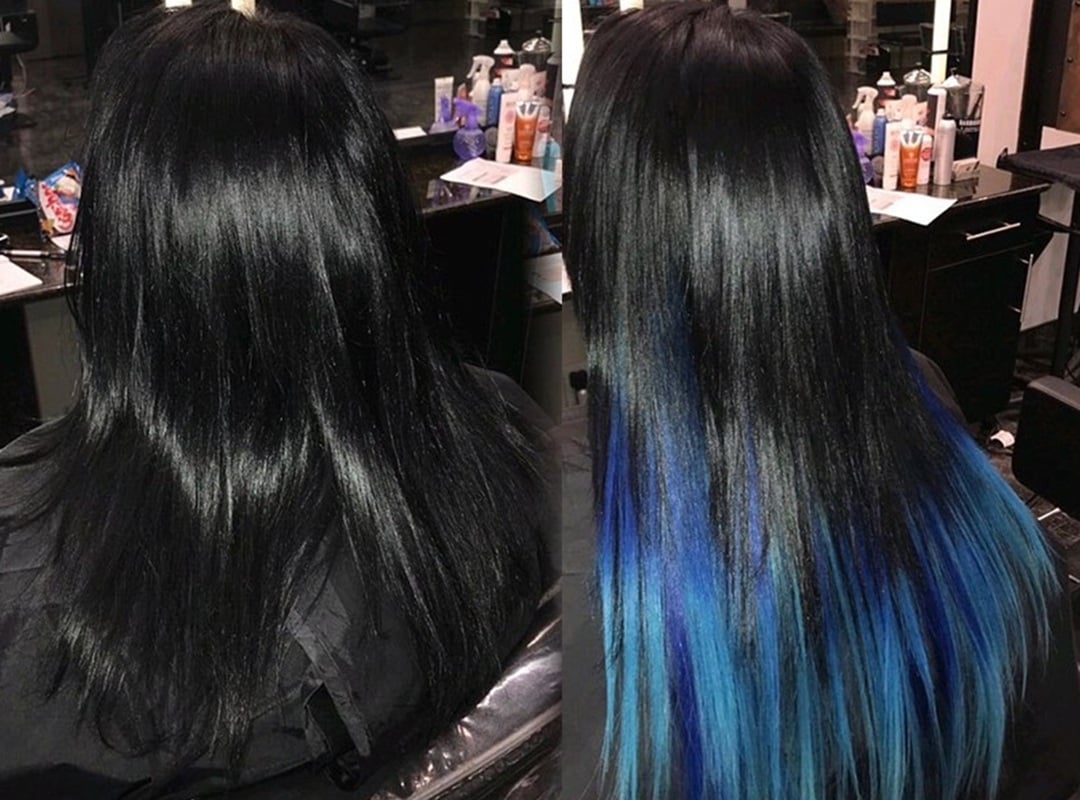
Method 1: Temporary Dye for Black Hair
Tools Needed
Before you start your at-home coloring adventure, you’ll need to gather a few essential tools:
- Clips to Hold Hair
- Blue Hair Dye
- Petroleum Jelly
- Gloves
- Hair dyeing brush and mixing bowl
The dye could be a chalk, wax, cream, or spray. Remember, this is a temporary method, so feel free to experiment with the type of dye that works best for you and your hair. Always wear an old shirt during application and use dark pillowcases, as temporary colors can transfer easily.
The Dyeing Process
Brands like Manic Panic and Color Brilliance are popular choices for at-home hair coloring, but their standard shades barely show on unbleached black hair, so pick a line designed for dark hair. They offer a variety of colors, ranging from pastels to deep purples to vibrant blues.
Always remember to follow the manufacturer’s instructions when using these products.
Begin by sectioning your hair into four parts and securing each section with a clip. Make sure your hair is completely dry before starting the dyeing process.
Next, apply petroleum jelly around your hairline to prevent the dye from staining your skin.
Keep all hair dye and bleach strictly away from your eyes, and never use these products to color your eyebrows or eyelashes as it can cause severe injury or blindness.
Work in a well-ventilated room. If your scalp burns or stings, rinse right away, and get medical help if you notice swelling, blistering, or trouble breathing.
Remove the clip from one section of your hair and start applying the blue dye. It’s best to part your hair one line at a time, using the hair dye brush to apply the color from root to tip.
Repeat this process until all sections are covered. If any dye gets on your skin or bathroom surfaces, wipe it off immediately, because once blue dye sets, it is almost always a permanent stain. Always line your sink and floors with old towels or trash bags; porcelain and grout are especially unforgiving.
Remember, the manufacturer’s instructions will vary based on the product type. Always follow their guidelines for the best results.
Temporary dyes are generally gentler to use at home and are often a milder option for hair that is already damaged. They allow you to experiment with different colors without long-term commitment or substantial hair damage.
Method 2: Bleaching and Semi-Permanent Blue Dye
This method gives a more vibrant color and lasts longer but involves a harsher process due to bleaching. If your black hair color isn’t natural, use a formulated artificial hair color remover made for lifting dye, since baking soda is not designed for this and may be rough on hair. But if it’s natural then bleaching is the only option.
Preparing for Bleaching
You should also understand that bleach can be quite damaging to hair. It’s advisable to condition your hair and avoid heat styling for at least a week before you plan to bleach it.
Bleaching Process
Lifting black hair to a level that takes blue well is the hardest kind of bleach work, so this session is best booked with a colorist. Whatever route you take, follow each product’s own required tests and restrictions, including its 48-hour allergy test done exactly as the label describes. A hair strand test checks color and condition; it does not screen for skin allergy.
In the chair, the process is methodical and treated as a double process: the hair goes up in sections, lightener goes on in thin sections from the mid-lengths to the ends first, and the roots come last, because scalp heat makes them process faster. A second application from the roots to the mid-lengths is sometimes needed before the level is even.
Afterward comes a thorough rinse and a deeply hydrating moisture mask. Heavy protein treatments are skipped right after bleaching, as they can make the hair rigid and prone to breakage.
Remember, bleach can cause your hair to become dry and brittle, so you should treat your hair with care after this process.
Applying Semi-Permanent Blue Dye
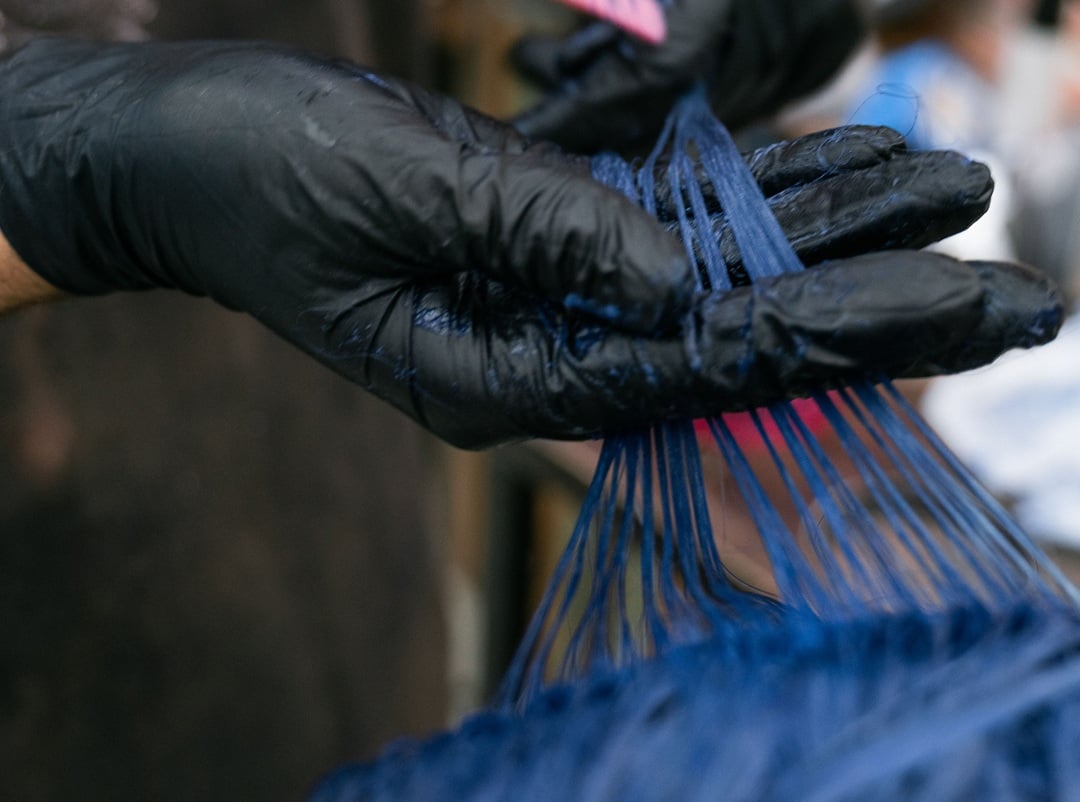
After bleaching, you can apply a semi-permanent blue dye to your hair. Section your hair and apply the dye from root to tip, ensuring full coverage. Wait for the recommended time, then rinse your hair thoroughly.
Using a color-protecting shampoo and conditioner will help maintain the vibrancy of the blue and prolong the color’s longevity.
Skip ocean and pool swimming while the blue is fresh, and always shampoo with cool water. Both habits protect the color.
Whichever route you take, the basics stay the same: follow the product’s own allergy-test directions 48 hours ahead, choose a dye made for dark bases if you are skipping bleach, and leave whole-head lightening to a colorist for an even, vivid result. Treated kindly, black hair carries midnight blue beautifully, and the shade is easy to refresh once the color starts to soften.