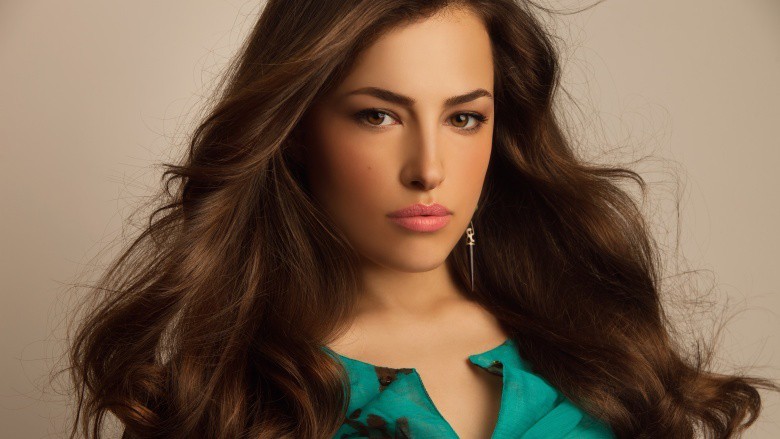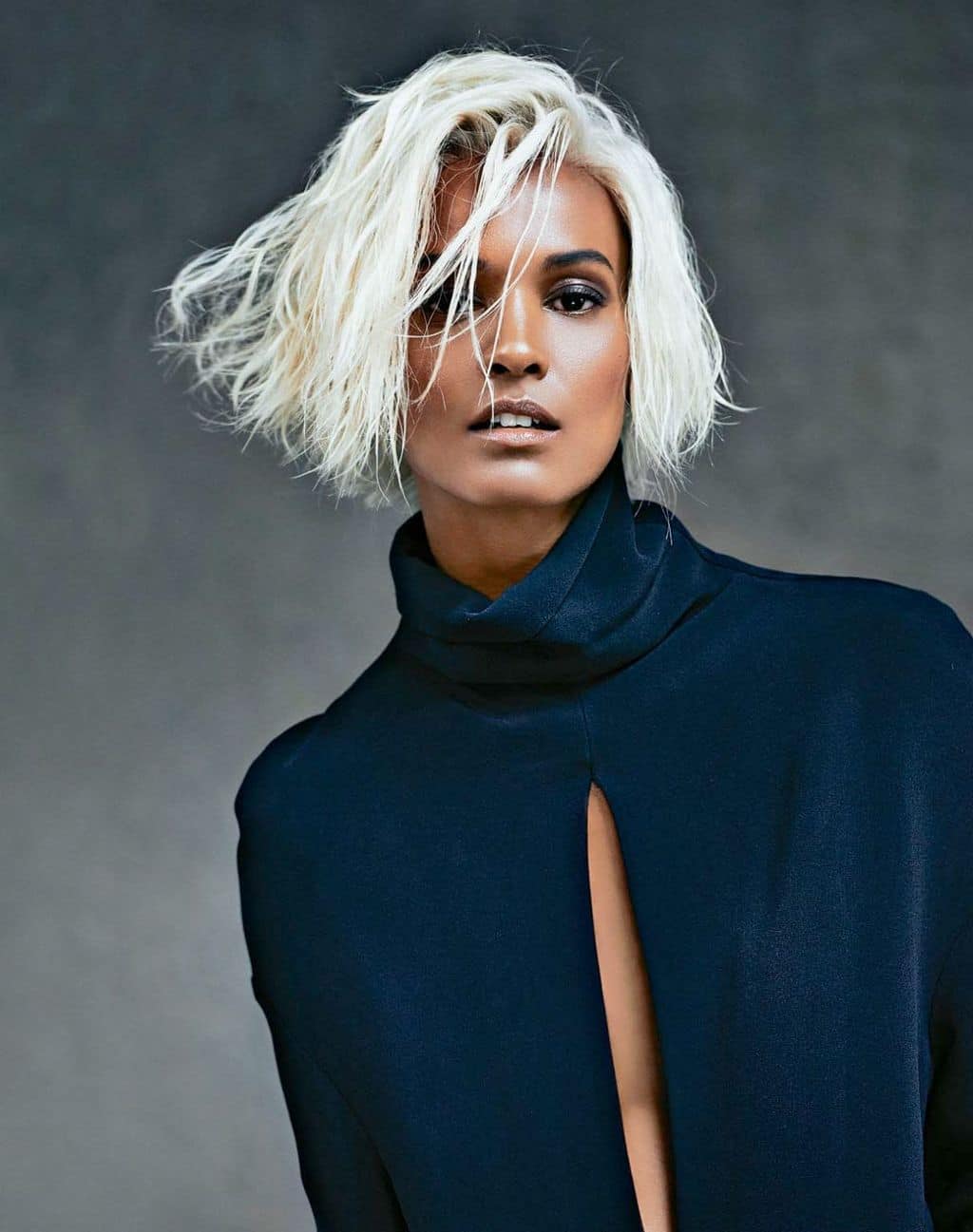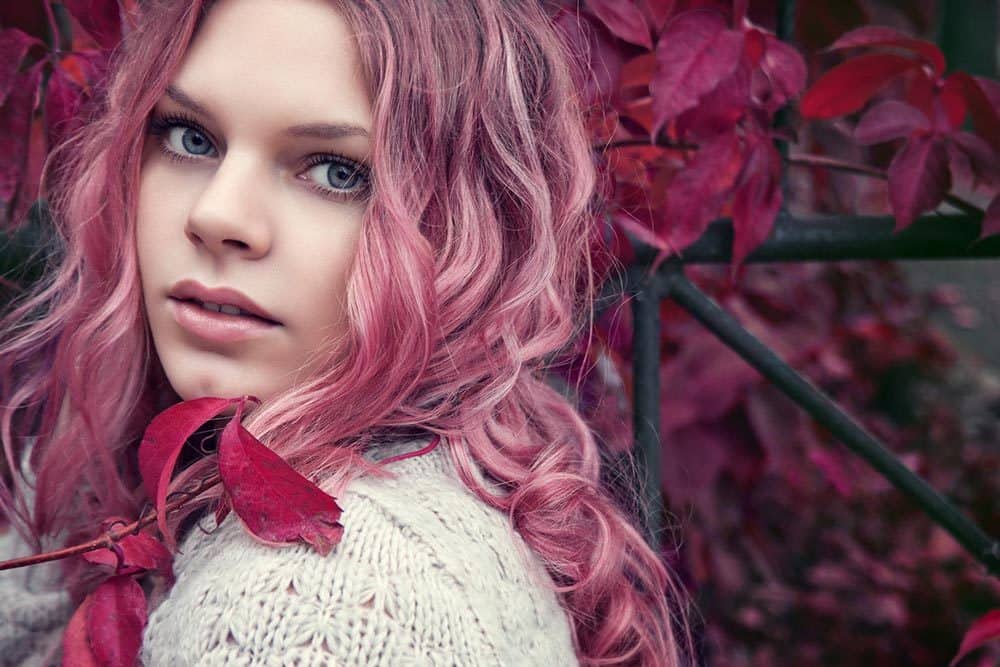


Getting your hair colored can do wonders for your overall look. But how do you choose a hair color that actually works with your skin tone? Now you’re playing in the big leagues.
Before you go off and dye your natural color platinum blonde, consider whether your chosen shade will flatter both your complexion and your undertone. Just because a particular color looks great on one person doesn’t mean it will work the same way on you.
We’ve put together a comprehensive guide on how to pick the right hair color for your skin tone.
Determine Your Skin Tone and Undertone
Your skin tone influences what hair colors look best on you, but your undertone is what really helps narrow down the most flattering shades.
Your undertone is different from your surface skin color. It is the subtle hue underneath your skin (warm, cool, or neutral), and it usually stays fairly consistent whether you are tan or pale throughout the seasons.
Types of Undertones
Undertones usually fall into three categories: warm, cool, and neutral.
Warm Undertone
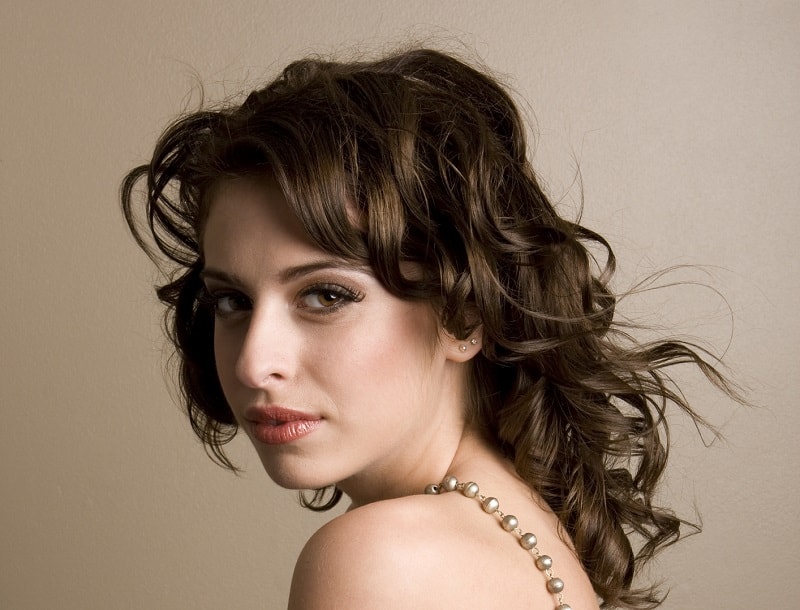
People with warm undertones often have skin that reads golden, yellow, or peachy rather than pink. Brown, hazel, or amber eyes are common, and natural hair colors often fall somewhere in the black, brown, red, or strawberry-blonde range.
If you have a warm skin tone, warm, golden, and copper-based shades tend to be the most flattering. Think dark chocolate, brown-to-red ombré, red balayage, and warm beige blonde.
Cool Undertone
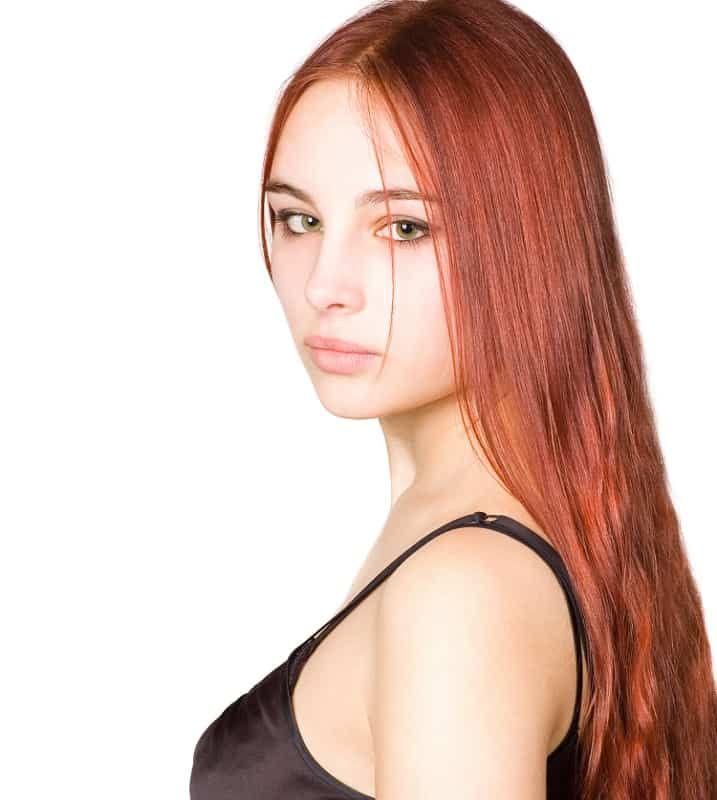
Cool undertones can show up in every complexion, but they usually read pink, red, or bluish rather than golden. If you have cool undertones, your natural hair may be blonde, brown, or black with ash tones, and silver jewelry often looks especially flattering.
Hair colors with ash, beige, violet, or blue-based pigments tend to suit cool undertones best. Think ash blonde, cool brown, burgundy, and blue-black.
Neutral Undertone
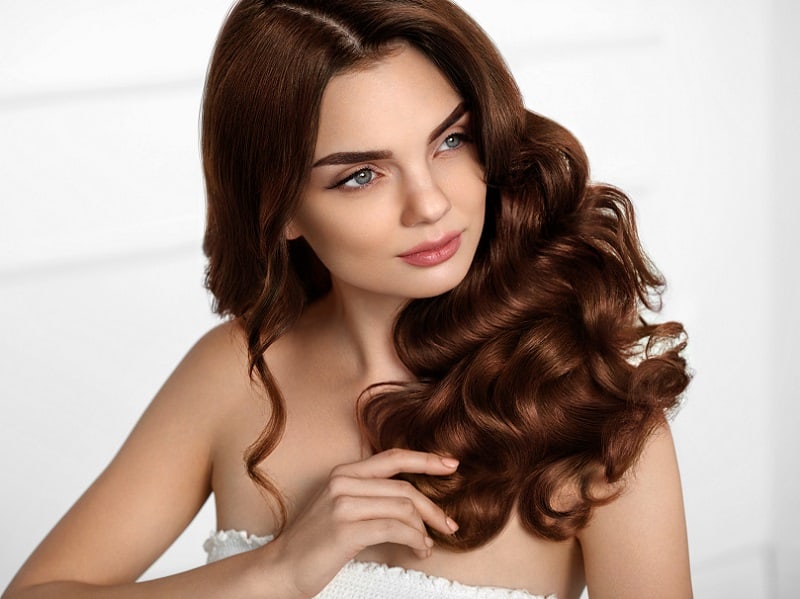
A neutral undertone is the most versatile of the three. It does not lean strongly pink, red, or yellow, so both warm and cool shades can work well.
If you have a neutral undertone, you can usually wear a wider range of hair colors than most people. The trick is choosing a shade with enough contrast and dimension to keep your complexion from looking flat.
A Quick Way to Determine Your Undertone
Most people can narrow down their undertone from the descriptions above. If you’re still unsure, one of the quickest tricks is to look at the veins on the inside of your wrist in natural light.
If your veins look blue or purple, you likely have cool undertones. If they look green, you likely have warm undertones. If the color is hard to pin down or looks like a mix of blue and green, you’re probably neutral.
Another easy test is jewelry. Hold both gold and silver jewelry near your face. If silver looks better, you likely lean cool; if gold looks better, you likely lean warm. If both look equally flattering, you probably have a neutral skin tone.
Find the Right Hair Color for Your Skin Tone
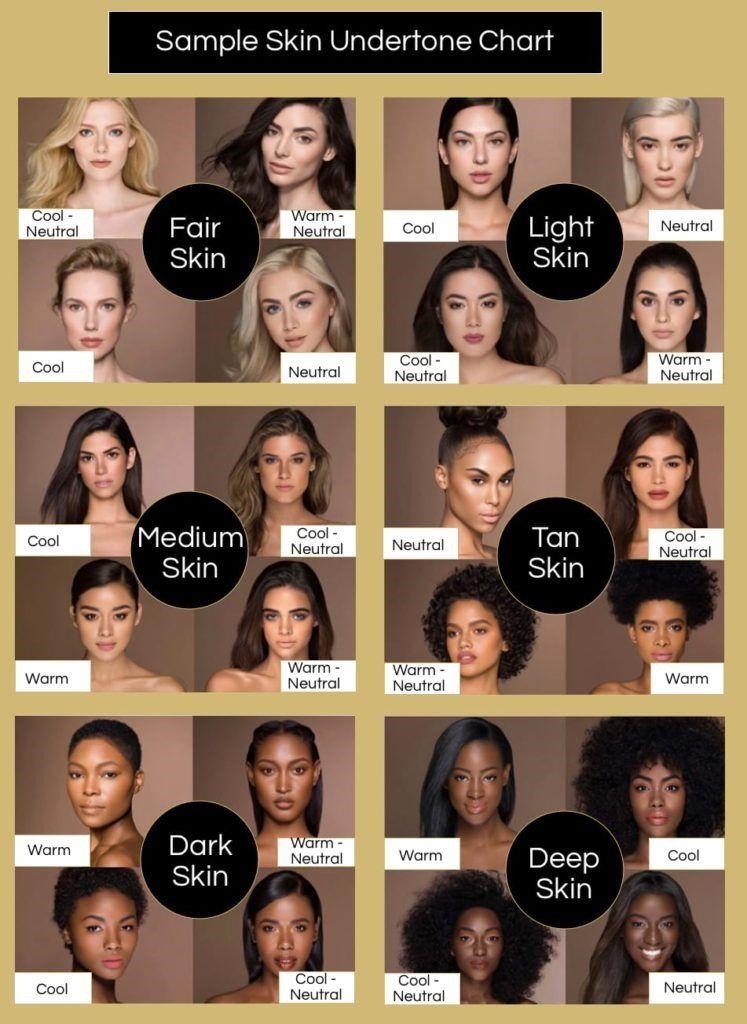
Once you’ve figured out your skin tone, the fun part begins: picking the right hair color. The general rule is to choose a shade that complements both your complexion and your undertone.
You may dream of trying a blonde hair color, but the exact blonde matters. Caramel, toffee, and honey tones often flatter medium to deep complexions with warm or neutral undertones. On the flip side, those with cool undertones usually do better with ash blonde, beige blonde, or champagne blonde. With that in mind, let’s cover two more factors before breaking down the best shades for each skin tone.
Two More Things to Consider Before You Color
Your starting shade matters just as much as your undertone. As a general rule, staying within one to two levels of your natural base usually gives you the most natural-looking grow-out and calls for less maintenance.
The bigger the color jump, the more likely you’ll need toners, root touch-ups, and extra conditioning. Platinum blonde, vivid red, and high-contrast color usually need more frequent refreshes, while balayage, soft brunette shades, and tone-on-tone color are typically easier to maintain.
Best Hair Color for Different Skin Tones: Detailed Breakdown
Here’s an overview of the best hair colors for skin tones ranging from fair to deep.
Fair Skin with Cool Undertones
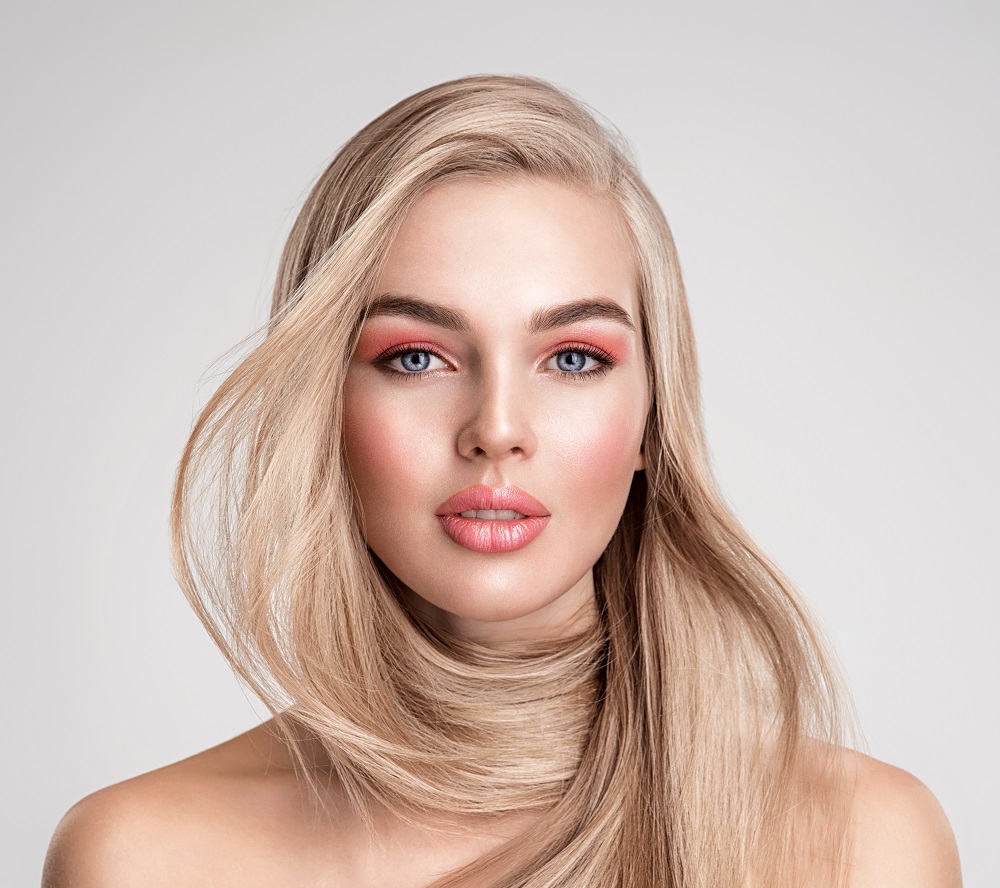
If you have pale or porcelain skin with cool undertones, very warm shades like heavy gold, orange copper, and yellow blonde can look too harsh or brassy. Ash blonde, platinum, icy beige, and cool light brown are usually safer bets.
If you want a deeper color, cool brunette, blue-black, and berry-toned red shades can look especially striking.
Fair Skin with Warm Undertones

If you have fair skin with warm undertones, shades that bring out that natural warmth tend to be the most flattering. Caramel, strawberry blonde, golden blonde, butterscotch, and copper red hair are all strong choices.
Overly violet, icy, or blue-based shades can make the complexion look harsh. Inky black can do the same if the contrast feels too strong.
Fair Skin with Neutral Undertones
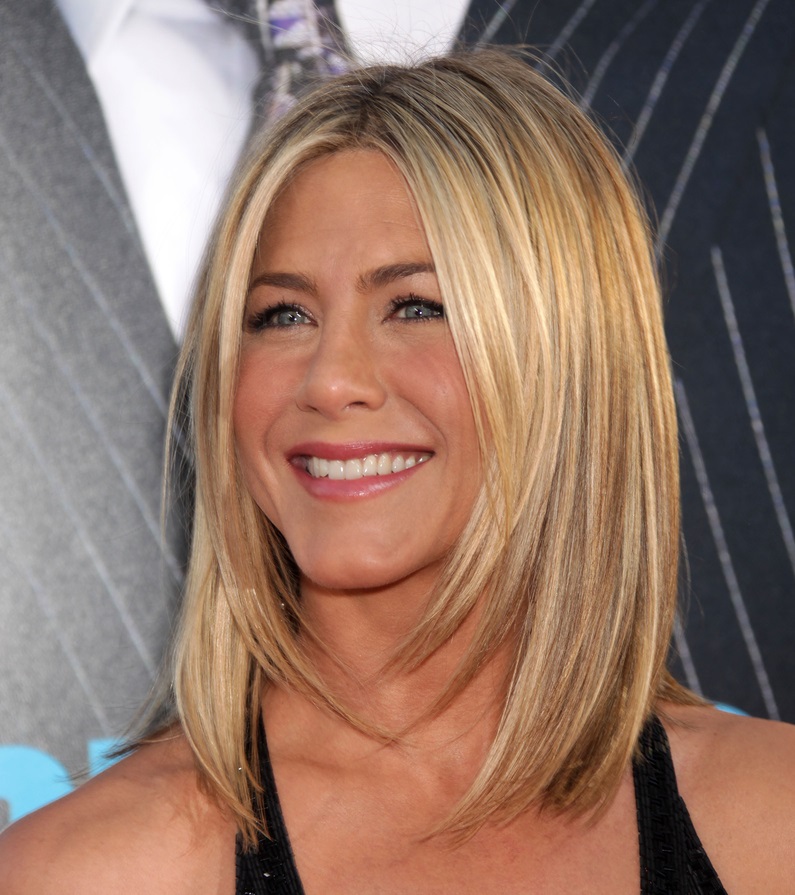
If you have fair skin with neutral undertones, you can usually go slightly warm or slightly cool. Beige blonde, champagne blonde, soft platinum, sandy blonde, and light neutral brown all work beautifully.
The key is balance. Go too icy and the color can feel flat; go too golden and it can overwhelm the skin.
Medium Skin with Cool Undertones
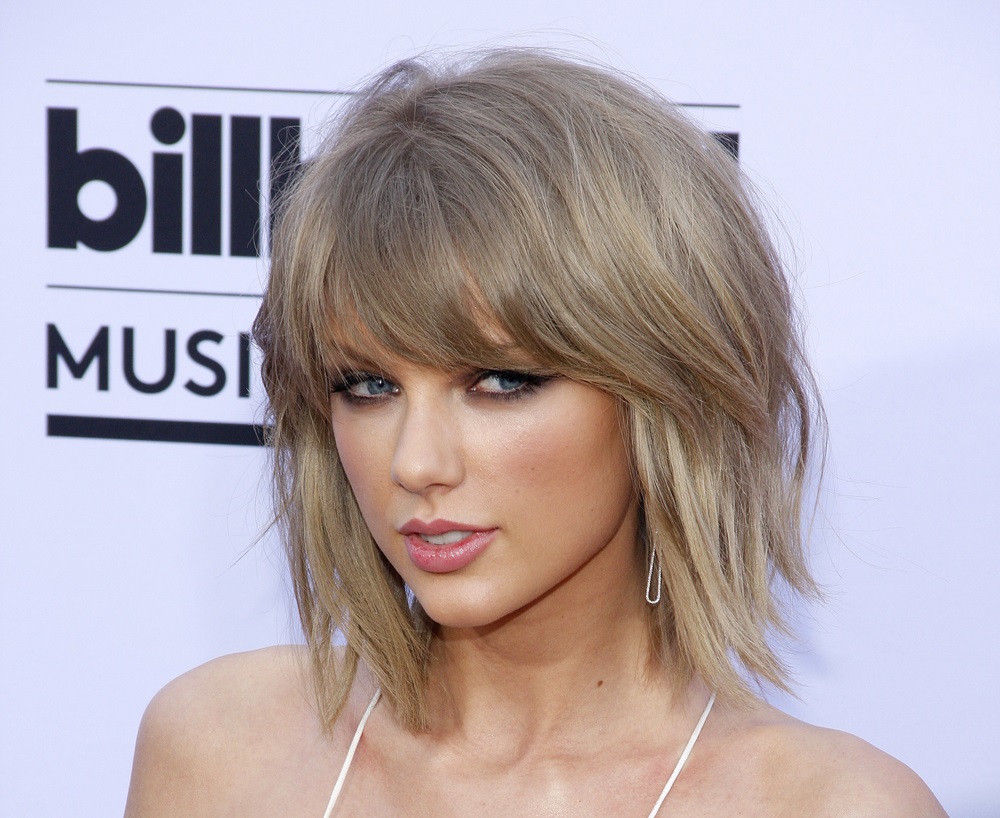
If you have medium skin with cool undertones, you can usually handle more contrast than fair cool skin. Beige blonde, sand blonde, mushroom brown, cool mocha, and walnut are all flattering options.
If you like lighter pieces, ask for cool or neutral highlights instead of very golden ones. That keeps the color bright without turning brassy.
Medium Skin with Warm Undertones
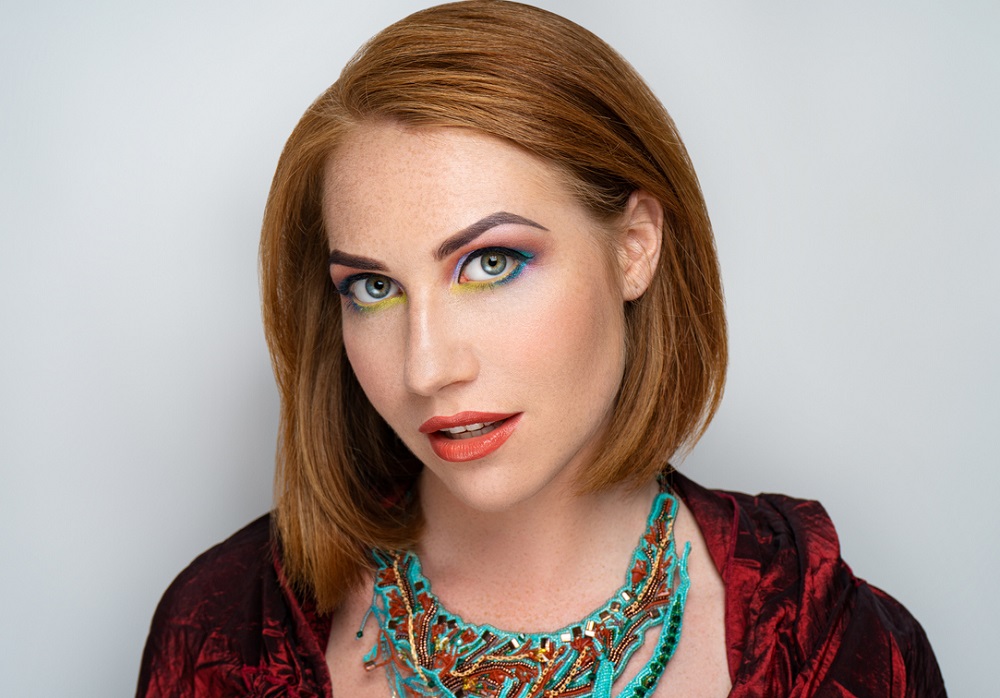
If you have medium skin with warm undertones, rich golden shades tend to look especially natural. Light golden brown, warm bronde, warm butterscotch, golden red, and copper-based shades all work well.
Medium Skin with Neutral Undertones
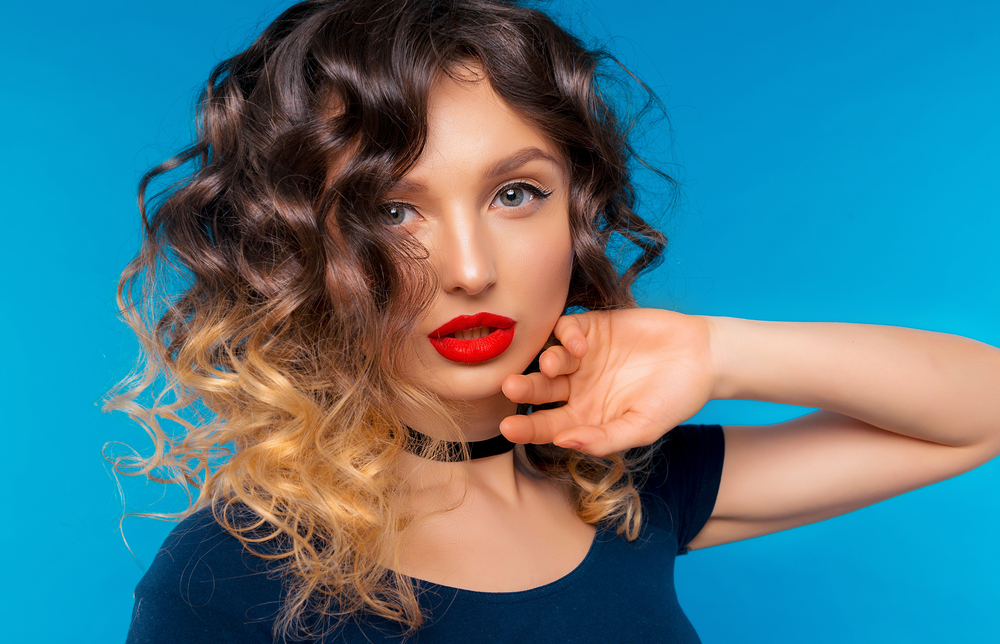
Medium skin with neutral undertones looks especially good in hair colors that combine warm and cool notes.
An ombre hair color, a soft balayage, or a brunette shade with beige or caramel ribbons can be especially flattering.
Try not to go too flat or too close to your exact complexion. A little contrast and dimension usually do more for you than a one-note dark blonde or light brown.
Olive Skin with Cool Undertones
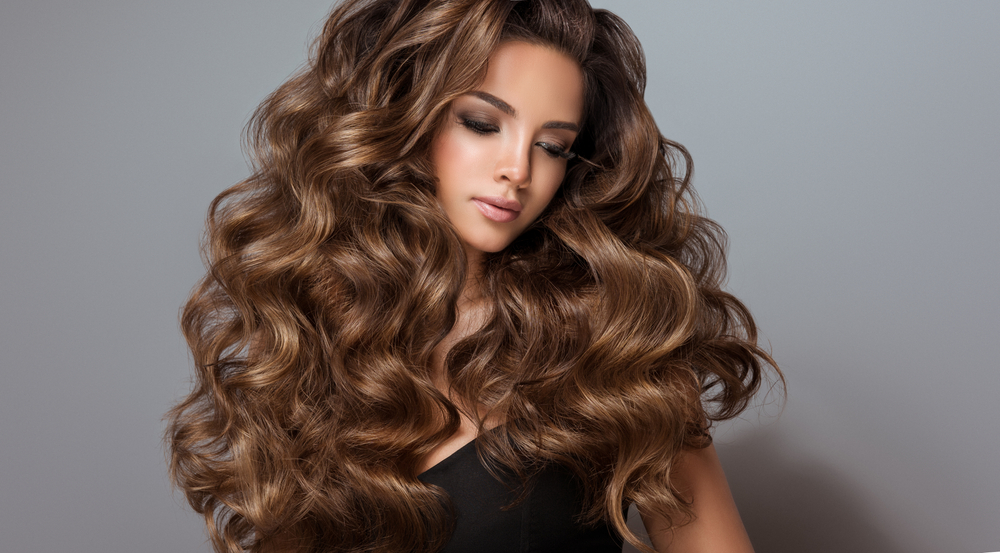
If you have olive skin with cool undertones, dark bases usually work best. Espresso, ash brown, mushroom brown, and cool chocolate shades tend to complement olive skin without making it look dull.
If you want to lighten things up, add subtle face-framing highlights or a soft balayage in beige or cool brown rather than a very yellow blonde.
Olive Skin with Warm Undertones
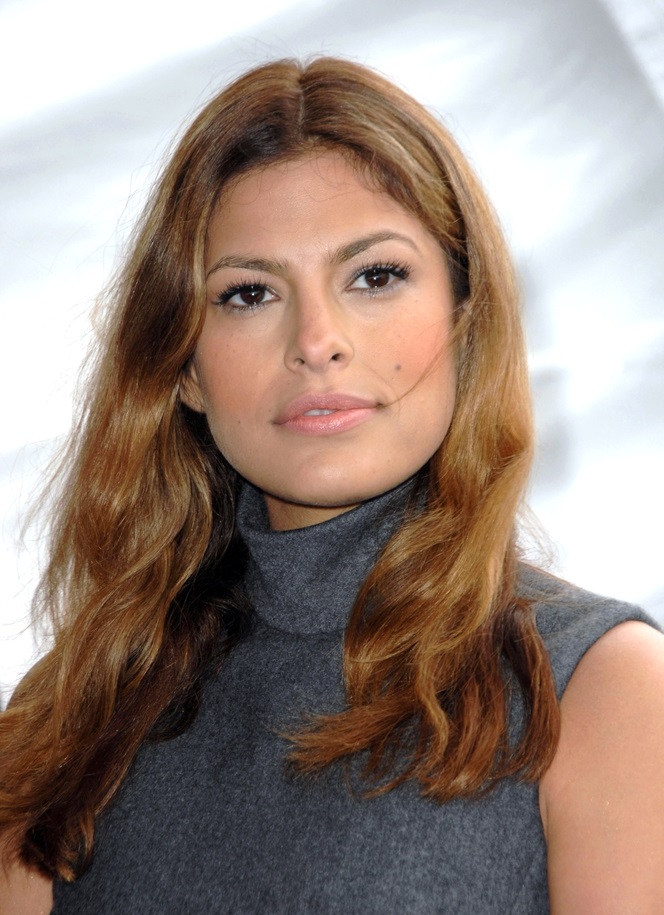
If you have olive skin with warm undertones, caramel brown, chestnut, honey brown, and deep golden brunette shades are usually the sweet spot. If you want to go lighter, honey-based blonde is typically more flattering than icy blonde.
Olive Skin with Neutral Undertones
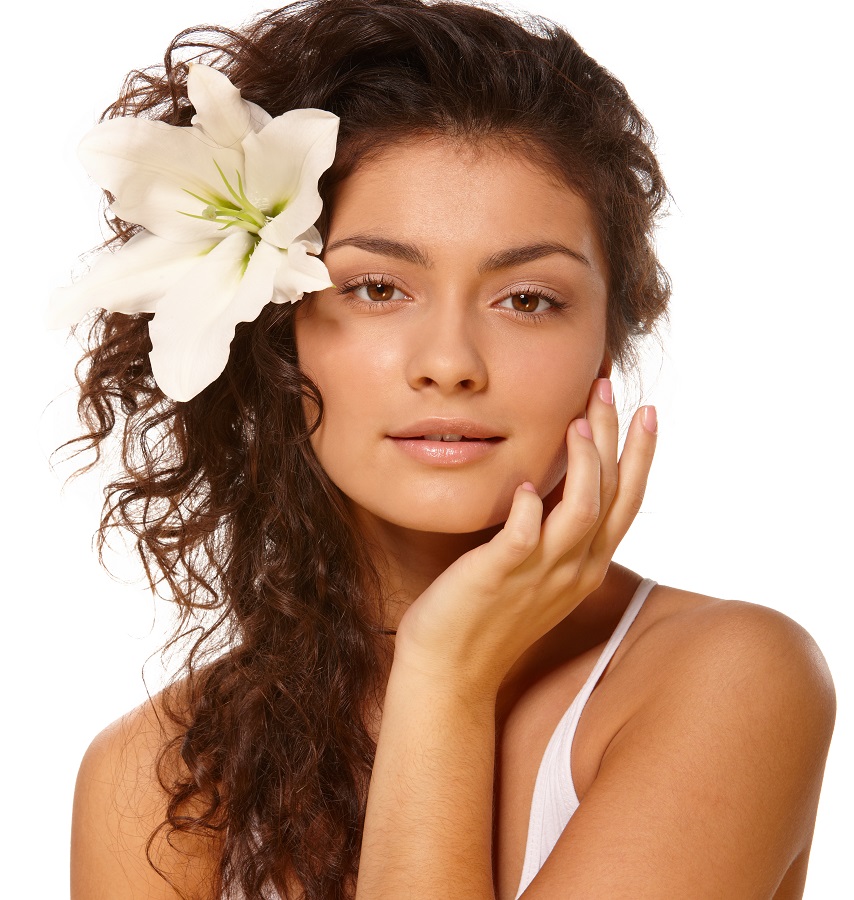
If you have olive skin with neutral undertones, rich dark colors are hard to beat. Think chocolate brown, rich chestnut hair colors, or a neutral brunette with subtle golden or beige dimension.
If you want to go lighter, a soft balayage with honey-beige or cool caramel pieces can add depth without overpowering your complexion.
Deep Skin with Cool Undertones
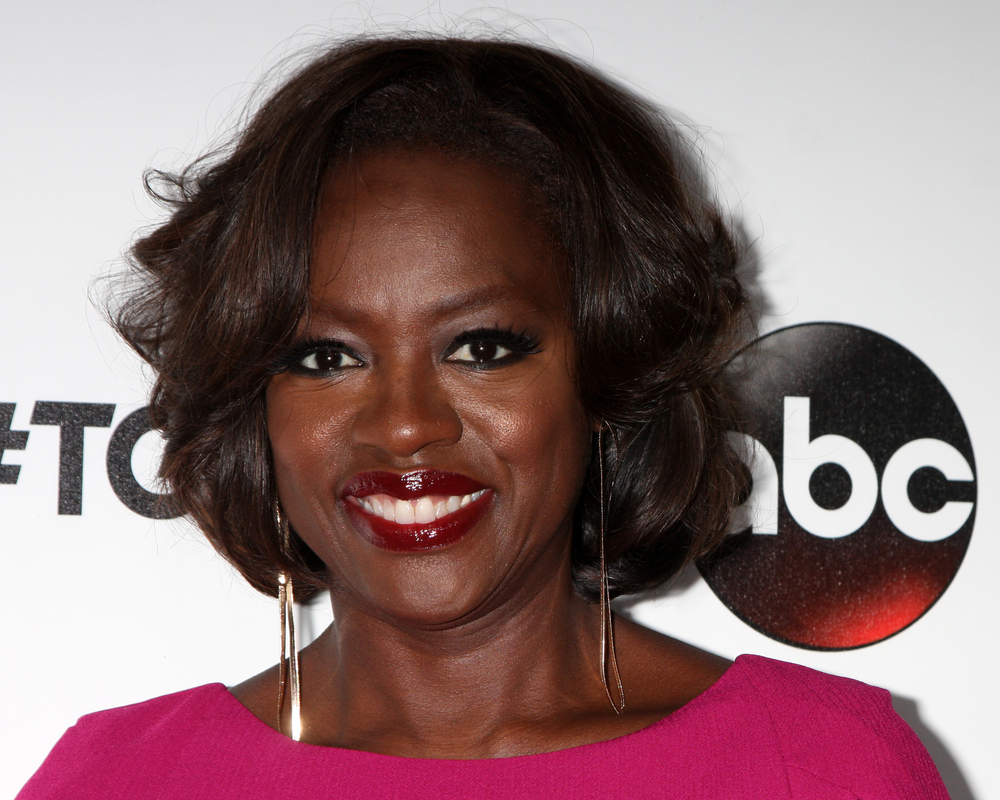
If you have a deep complexion with cool undertones, deep, saturated shades tend to look beautiful. Blue-black, espresso, deep violet-brown, and cool dark brunette are all strong options.
For added dimension, try cooler ribbons or highlights rather than very warm streaks. Cool brown or burgundy accents can work especially well when placed strategically.
Deep Skin with Warm Undertones
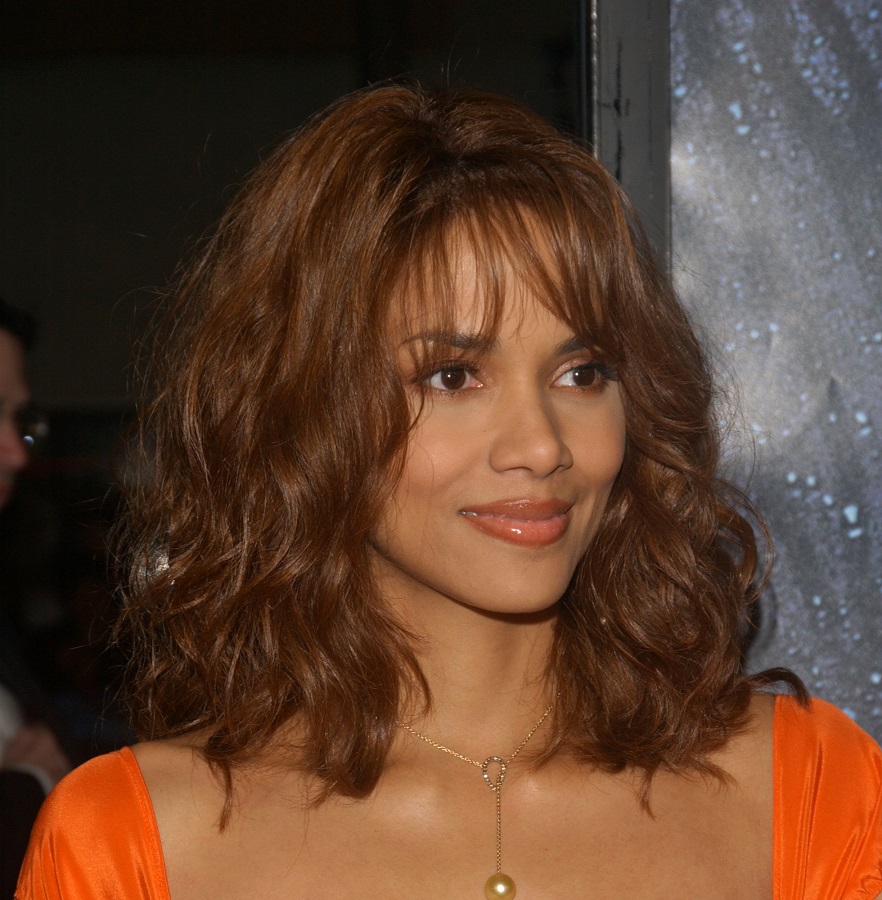
If you have deep skin with warm undertones, toffee, caramel, mahogany, maple, warm brown, and warm black shades usually look especially radiant.
Warm highlights can add shine and movement without fighting your undertone.
Deep Skin with Neutral Undertones
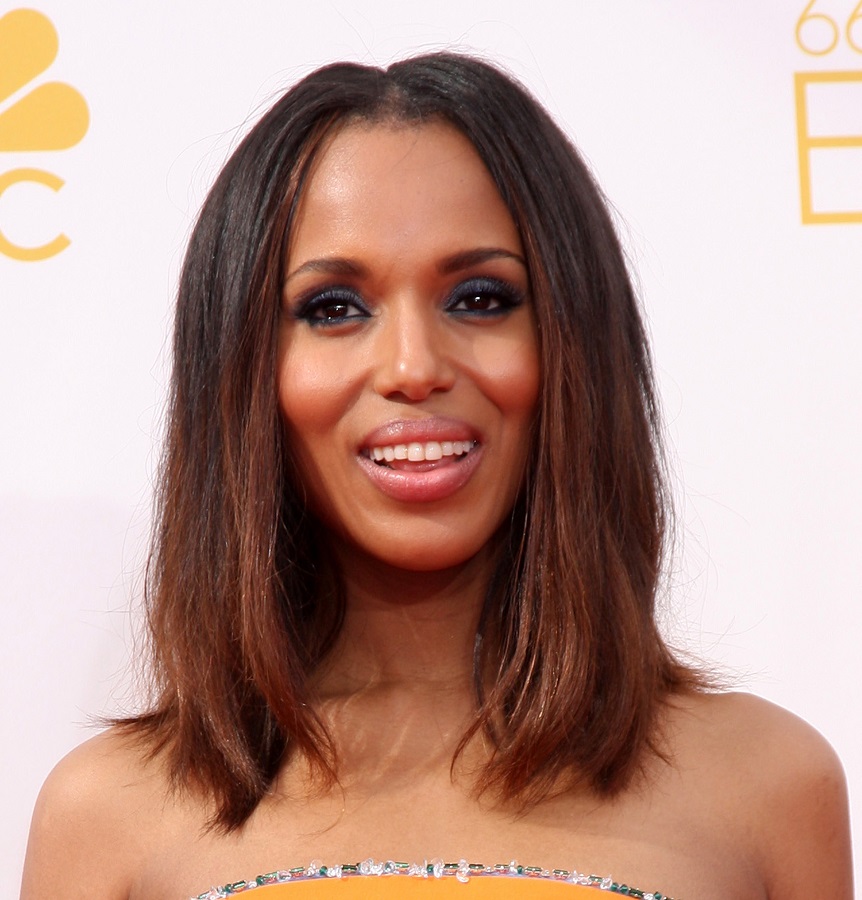
If you have deep skin with neutral undertones, you can usually pull off both warm and cool depth. Rich dark brown, chestnut, espresso, reddish-violet brunette, and neutral black can all be flattering.
The best results usually come from contrast plus dimension, not a flat, single-process shade. A few lighter ribbons or a glossed finish can keep the color vibrant and polished.
Adding Highlights
The right highlights can add dimension to your hair and draw attention to your eyes, and you do not need many to make an impact.
If you have warm undertones, golden, caramel, honey, and butterscotch highlights are usually the safest bet. If you have cool undertones, think ash blonde, cool beige, or platinum highlights instead.
If you have neutral undertones, you can go in either direction with beige, toffee, or soft mocha ribbons. If you have deep skin and dark eyes, milk chocolate, cognac, chestnut, and espresso highlights can create a look that feels natural but still dimensional.
A Quick Safety Note
If you’re coloring at home, always do a 48-hour patch test first and follow the instructions on the box. Even the prettiest shade is not worth an allergic reaction.