
Blonde hair is often linked to Northern Europe. Still, some people with Hispanic heritage are naturally blonde. It is less common, but it is real. You may also see Latino people with blonde hair and blue eyes.
Want examples from South America, Mexico, or other Spanish-speaking countries, plus safe tips for going lighter? Let’s get started.
Can Hispanics Have Blonde Hair?
Yes, they can. Hair color is mostly based on genetics. Blonde hair can show up in Hispanic families due to European ancestry, family mixing over time, or less common genetic combinations.
Blonde hair is less common in many Hispanic groups, but it can still appear. Natural blonde shades may range from dark blonde to light blonde.
Hair color can also vary by country and region. This is due to long family histories and migration.
For example, some people in Argentina with Latino origin have naturally lighter hair. One reason is historical immigration from parts of Europe, including Germany and Italy.
Families also mix across cultures today. A child may have one Latino parent and one Caucasian parent, and inherit lighter hair.
Famous Blonde Latinas
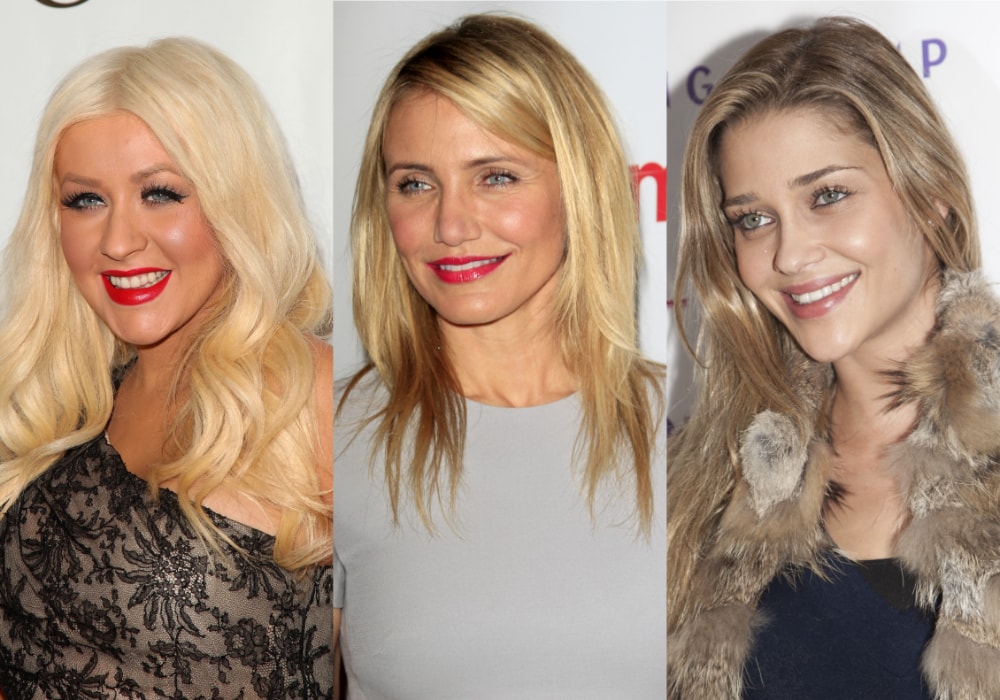
You can also find blonde celebrities with Hispanic heritage. Five examples include:
- Christina Aguilera
- Cameron Diaz
- Sofia Vergara
- Ana Beatriz Barros
- Jessica Alba
Christina Aguilera has Ecuadorian heritage through her father. She is a famous singer and is known for her blonde hair and blue eyes. Cameron Diaz has Cuban ancestry through her father.
Sofia Vergara is a famous model and actress from Colombia. Her natural hair is often described as darker, and she has worn many shades on screen, including dirty blonde hair.
Ana Beatriz Barros is a model from Brazil. She has Portuguese heritage and other European roots. She has dark blonde hair and hazel eyes. Jessica Alba is an actress with Mexican heritage through her father. She has worn many shades over time, including blonde, and she has brown eyes.
Can Latino People Have Both Blonde Hair and Blue Eyes?

Yes, it can happen, though it is less common. Blonde hair and blue eyes can appear in Latino families for the same reason they appear anywhere else: genetics.
You may see this combination more often in places with a long history of European migration, including parts of Argentina and Uruguay. You can also see it in Mexico and other regions, depending on family history.
Many people have a narrow idea of what Latino people “should” look like. Real life is wider than that. Hispanic identity can include many skin tones, hair colors, and eye colors. Source
How Can Dark-Haired Latinas Dye Their Hair Blonde?
Dark haired women can go lighter, including blonde. But it often takes multiple sessions, with weeks between sessions, to protect the hair.
Also think about tone. Some blondes look warm, some look cool. Pick a shade that suits your skin tone and your natural contrast. See blonde hair color ideas for help.
Safety Checklist:
- Patch Test: Do an allergy alert test at least 24 hours before, and follow your product directions. Many brands advise waiting 48 hours.
- Strand Test: Test one small hidden section first. This shows timing and damage risk.
- Do Not Bleach Damaged Hair: If your hair is snapping, gummy, heavily heat damaged, or chemically treated, stop and see a pro.
- No DIY Mixing: Never mix bleach with lemon, baking soda, or other household products.
Coloring can take a few hours. If you have old box dye or dark buildup, expect more than one appointment or session.
Many colorists prefer hair that is not freshly washed, because natural oils can help reduce scalp irritation. Skipping a wash does not replace a patch and strand test, so still do both and stop if your scalp reacts. Still, clean hair is better than an inflamed scalp. If your scalp feels sore or itchy, wait.
Tips and Tricks for Dyeing Hair From Dark to Light
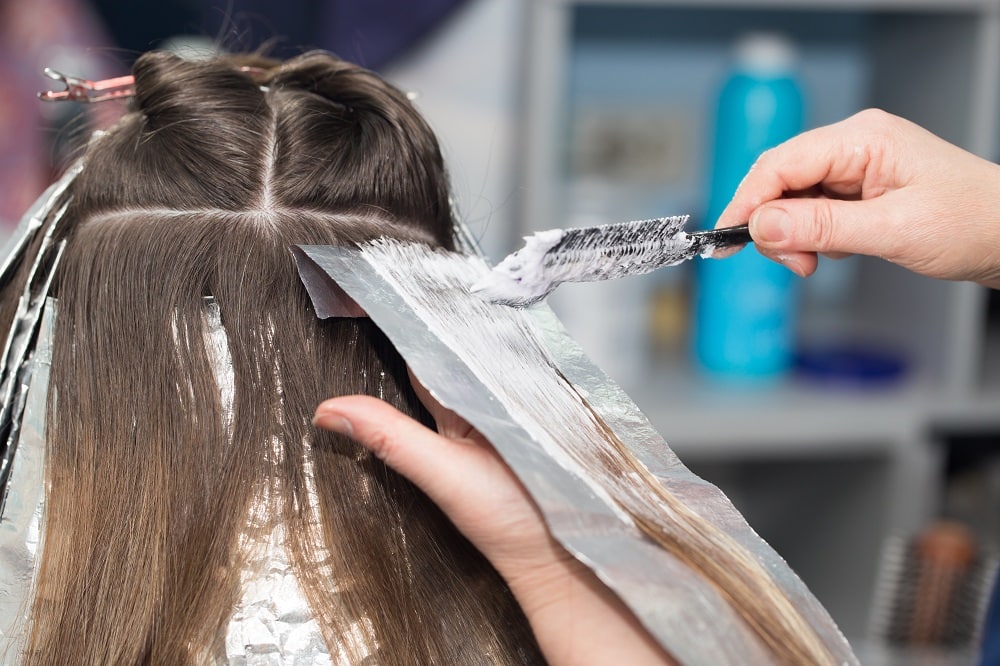
Top tips for going from dark to blonde:
- Expect more than one session for very dark hair
- Do not use 40 volume developer on the scalp
- For on-scalp lightening at home, 20 volume is the safer ceiling for most people, and many should still avoid doing it at home
- Use only professional bleach powder and the developer listed in the instructions
Warning: A slight tingle can happen. Painful burning is not normal. If you feel pain, rinse immediately with cool water.
In the chair, the process is methodical. Your colorist mixes the lightener to the manufacturer’s exact ratio in a non-metal bowl, works in small sections, and applies it to mid-lengths and ends before the roots, because scalp heat makes roots lift faster and can cause hot roots and burns. They watch the hair every few minutes, stop at the formula’s maximum processing time, then rinse, condition, and tone. Knowing the sequence helps you ask good questions at the consultation; the mixing and application itself belongs in professional hands. Our volume developer guide explains what each strength does and which ones are consumer territory.
A good colorist will also not take you from black to icy platinum in one day. Hair needs recovery time between lightening sessions, so expect the change to be planned across two or more appointments.
Sources
- U.S. Census Bureau: Hispanic origin may be of any race. Read
- U.S. Census Bureau: Why the Census asks Hispanic origin separately. Read
- FDA: Hair dye safety and patch testing. Read