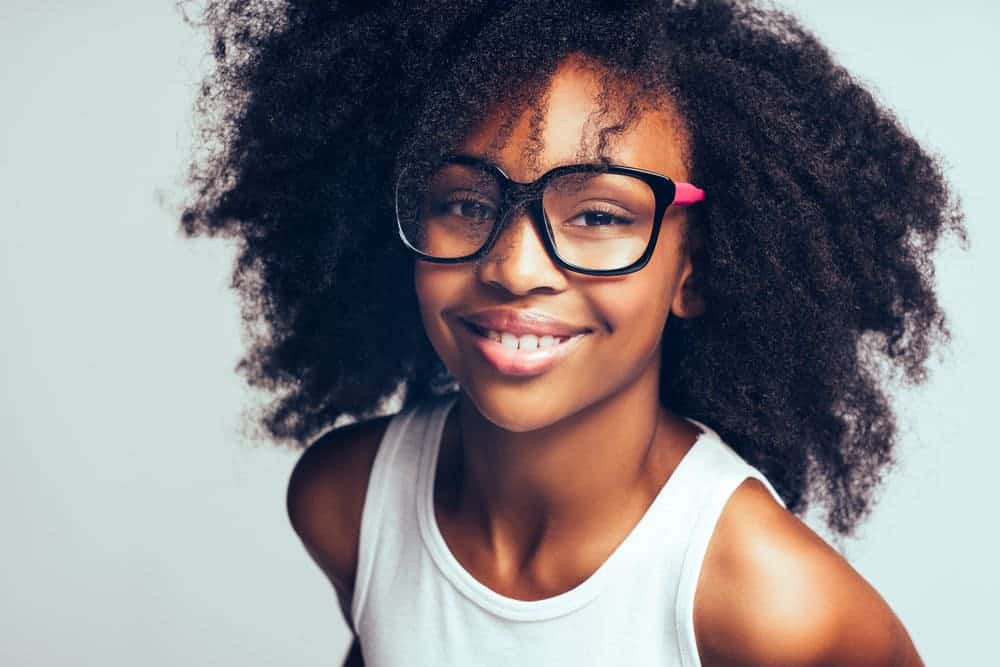
Whether you are happy with your natural hair color or not, there often comes a time when you want a change. For many teenage girls, hair dye is one of the most fun ways to switch up their look.
Since many dyes are not permanent, it can feel like a lower-commitment option compared to body art.
Teen girls also have plenty of room to play with their hair color. You can highlight a few strands, tint the ends, or go for an all-over shade. You can keep it soft and subtle or lean into a bolder color.
For younger teens, temporary or deposit-only color is the smart lane, with a parent in the loop. Lightening and permanent color are best saved for age 16 and up, done professionally.
Hair Color Ideas for Teenage Girls
With so many options, choosing a shade can feel overwhelming. This list shares 15 ideas, from natural-looking updates to brighter statement colors.
1. Soft Brown Ombre Ends
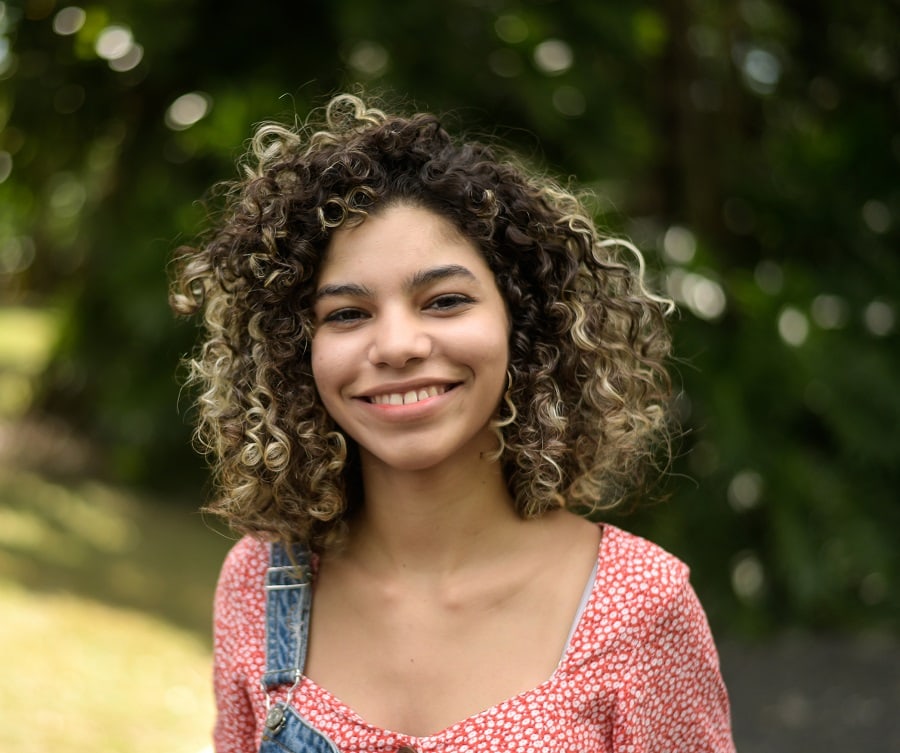
A soft ombre is an easy way to change your look without coloring your whole head. The fade keeps the grow-out gentle and works on many base colors. On dark curls, pale blonde tips and a few lighter strands add dimension and make the hair look fuller.
2. Blonde Balayage Glow
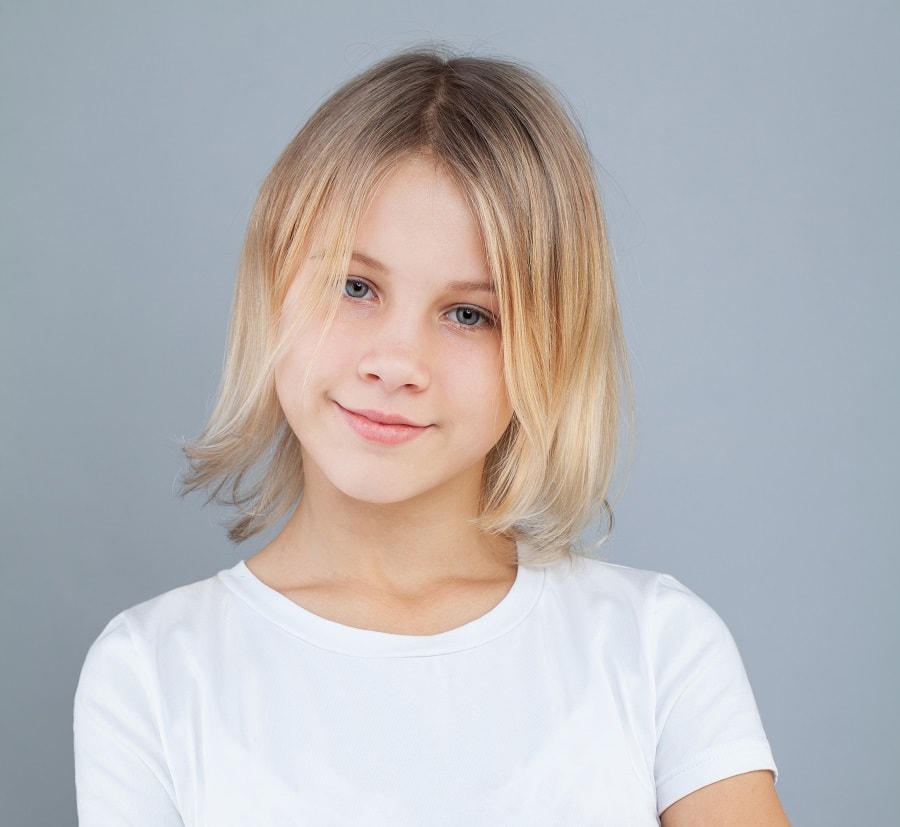
Balayage stays popular for a reason. It looks bright but still natural because the color is blended. It also works on long hair and shorter cuts, since the placement can be adjusted to suit the length.
3. Pink Face-Framing Strands
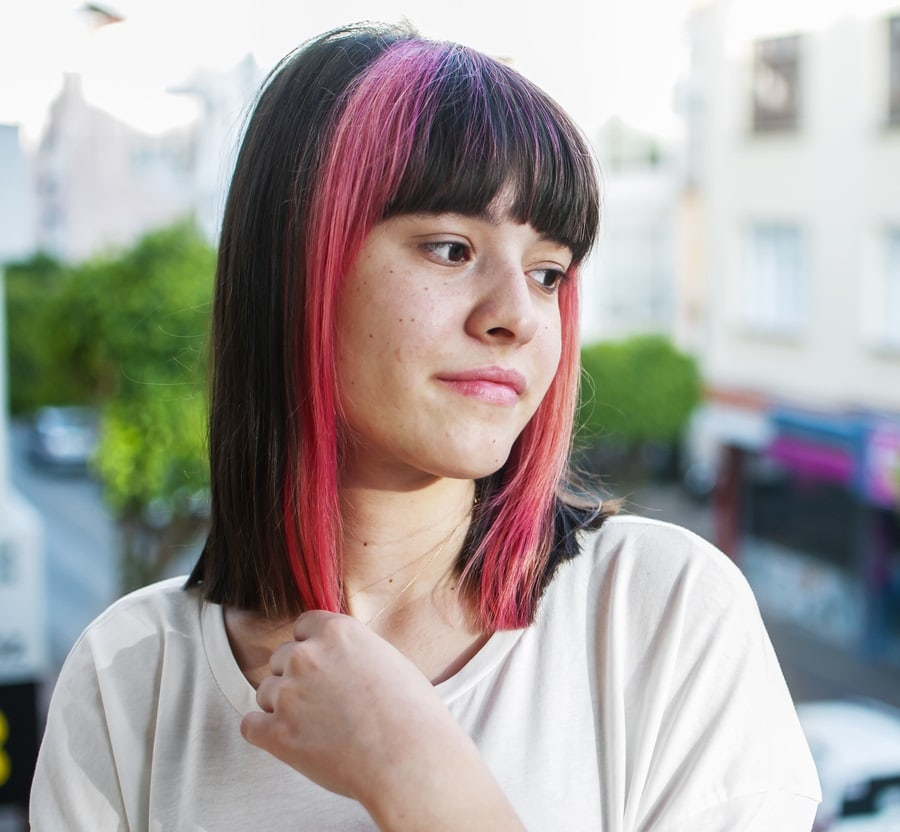
If you like pink but do not want a full head of color, try a few front pieces. It breaks up a natural base and feels playful without taking over. It is also easy to refresh or grow out.
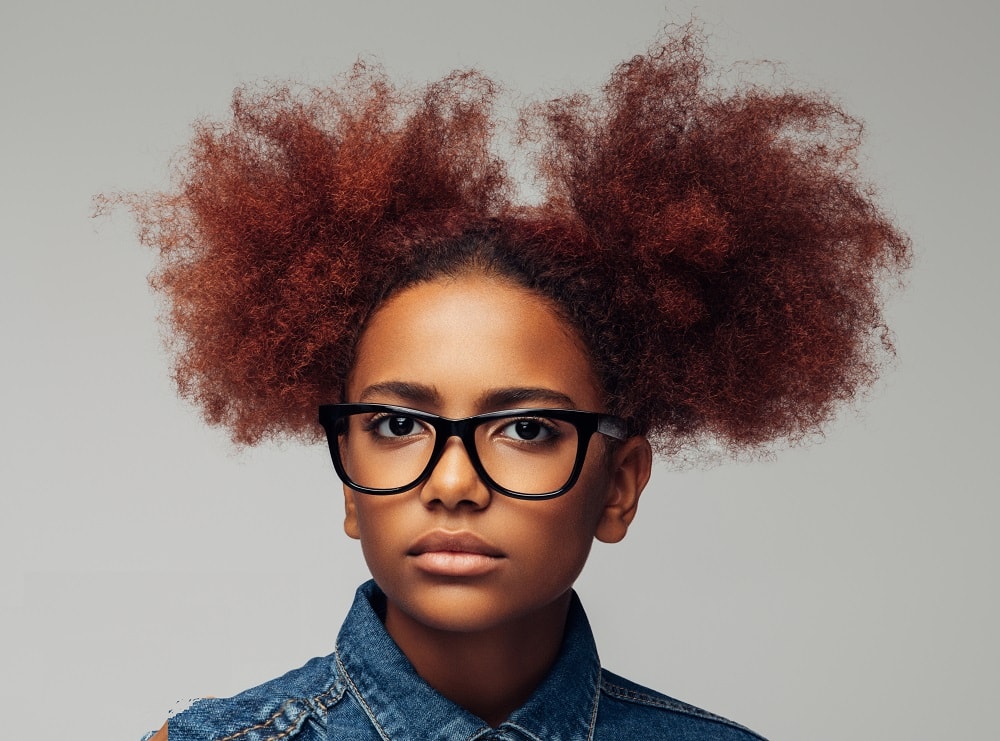
4. Natural Curls with Lightened Tips
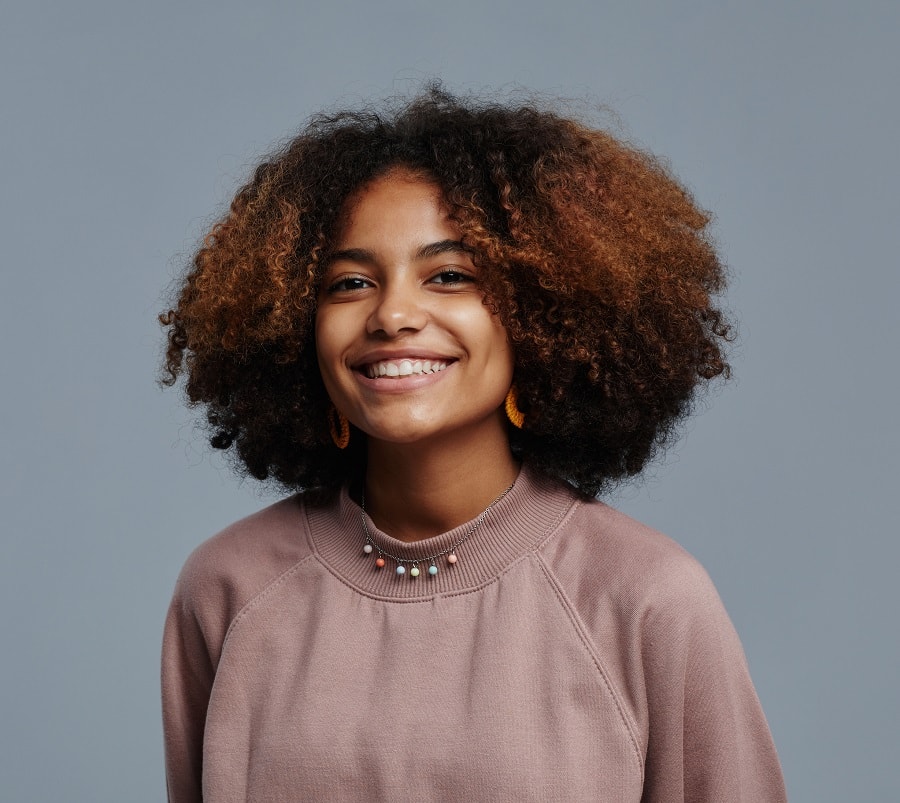
If you love your natural dark curls, keep the base and lighten only the ends. The result looks fuller and more defined, especially when curls stack and separate. It reads natural, not overdone.
5. All-Over Pastel Pink
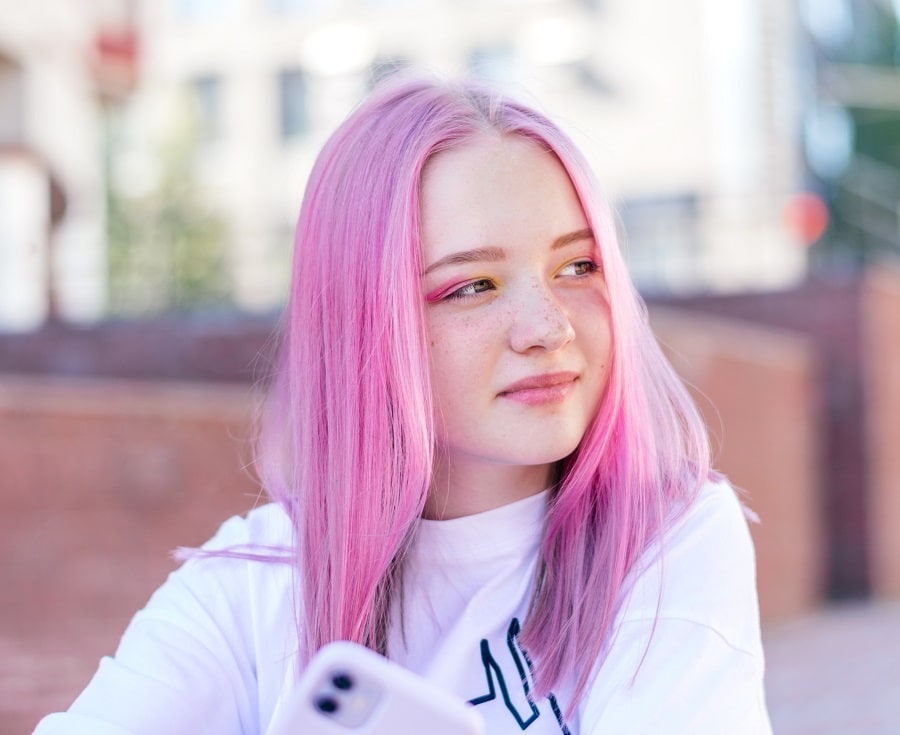
This look covers the hair in a soft pastel pink from the roots through the ends. It is a gentle way to try an all-over color without committing to a bold shade. It also looks great with waves because the tone catches the light.
6. Green Underlayer
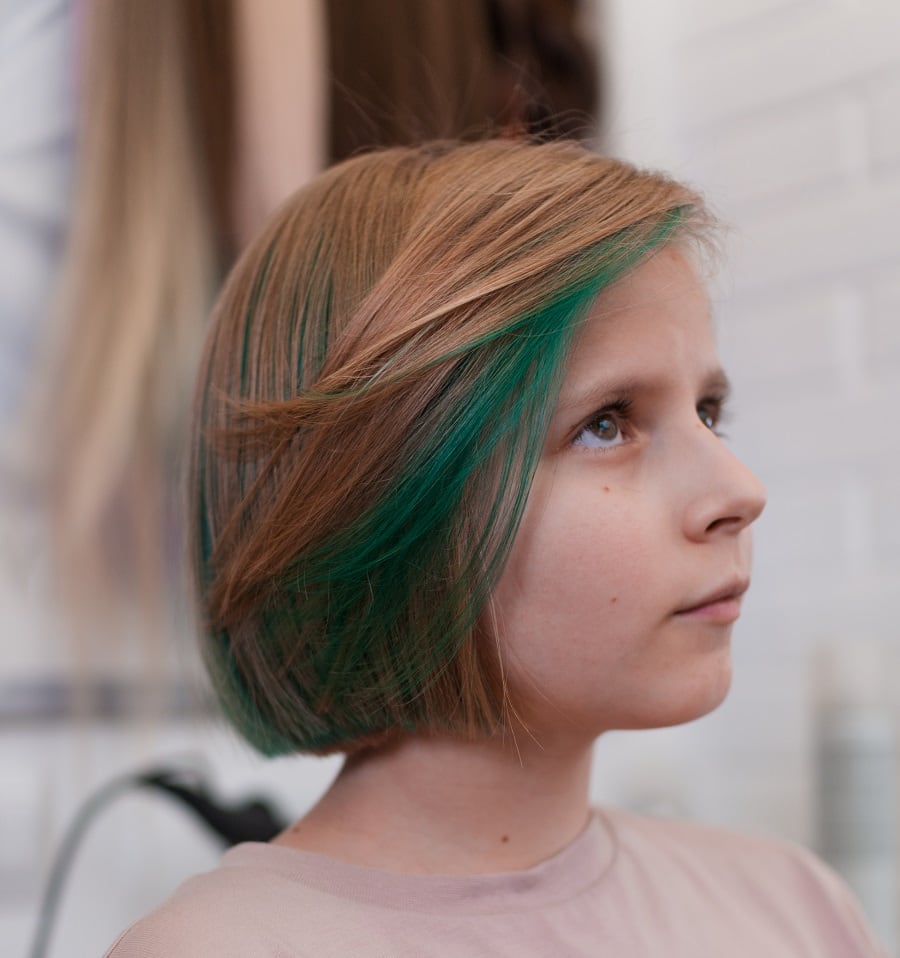
If you are a teenager with a short bob hairstyle, this peekaboo green underlayer will make you look stunning.
The bright green sits underneath the top sections, naturally peeking through the front layers to beautifully frame your face, even when worn completely straight and down. It feels bold but still flexible!
7. Dark Brown Wavy Bob
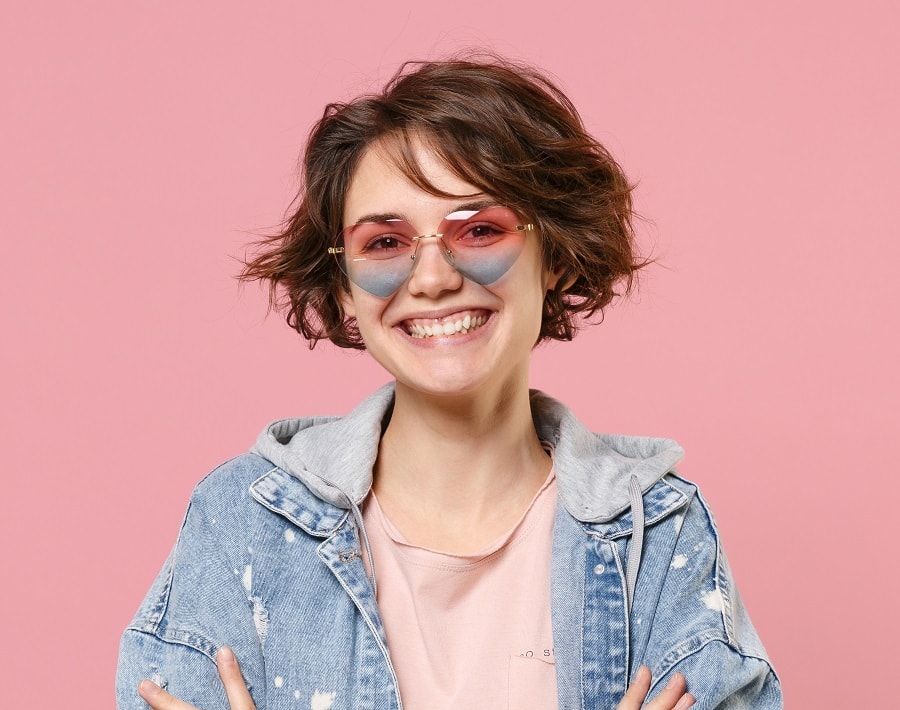
A deep brunette shade is a full reset if you want a dramatic change without going bright. It looks sleek on short layered cuts and long hair. The finish can look especially glossy with proper conditioning.
8. Long Straight Blonde Hair
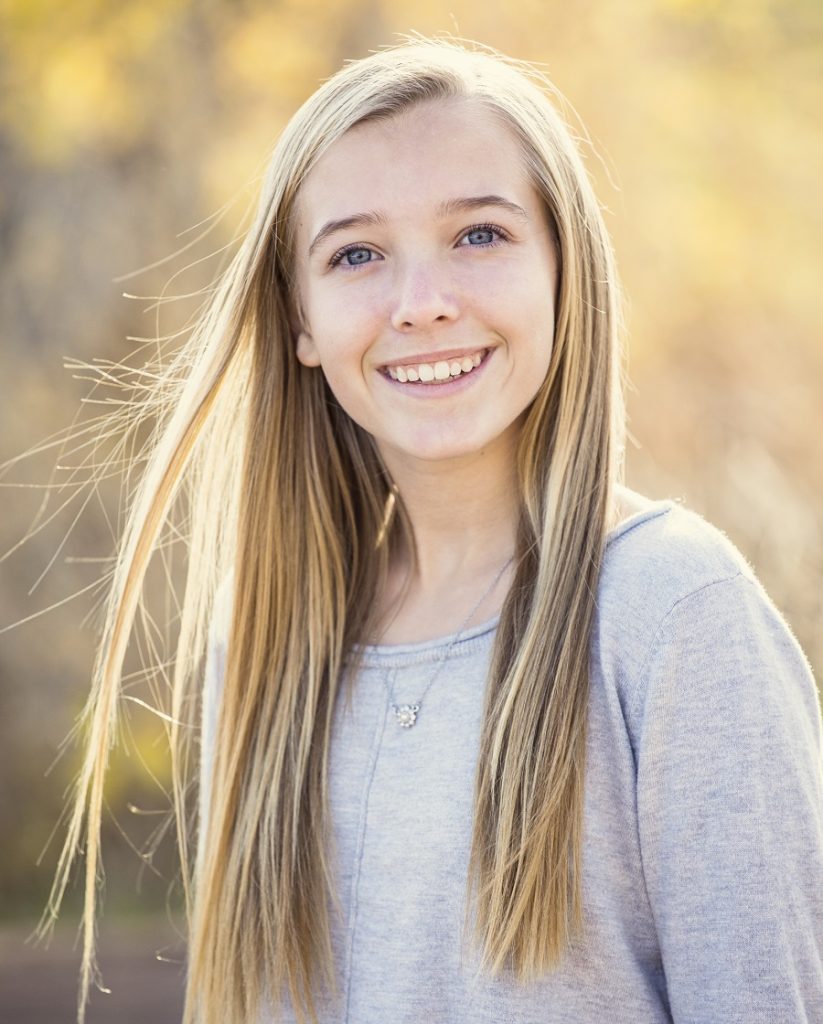
If you want blonde that does not feel loud, keep it even and natural-looking. This shade reads classic and easy. You can add subtle, darker pieces later if you want more depth, but it also looks great on its own.
9. Blonde with a Pink Accent
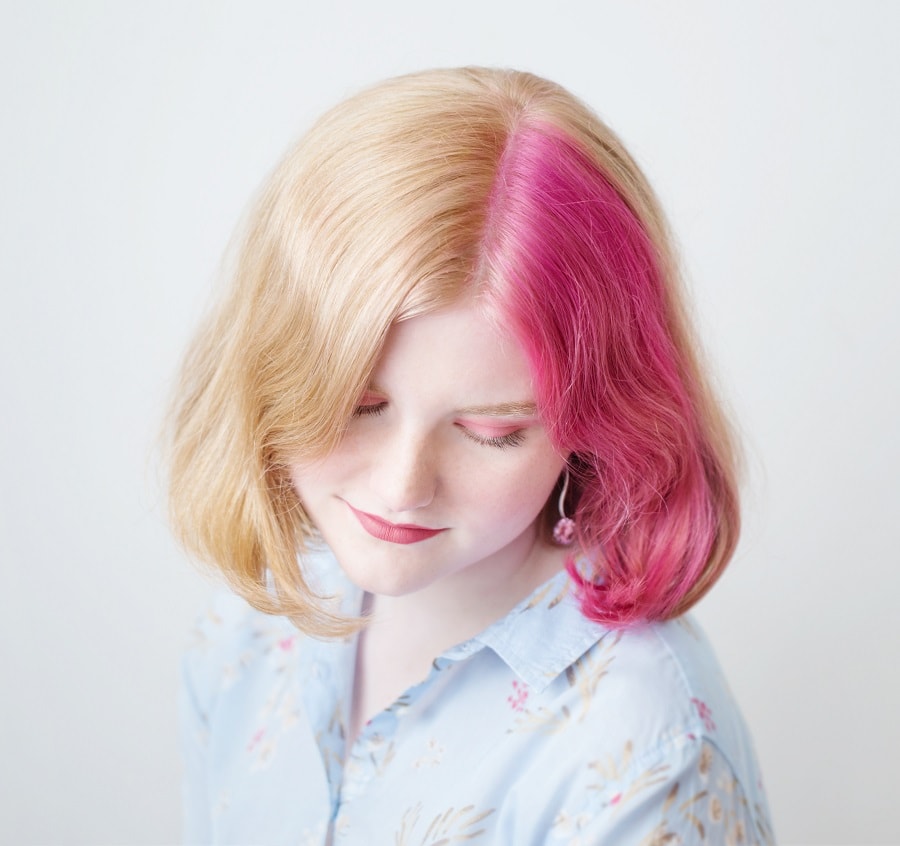
This two-tone idea is for anyone who wants a statement look. Blonde keeps it bright, while pink adds attitude. Keep the placement clean so it looks intentional, not messy.
10. Caramel Blonde Waves
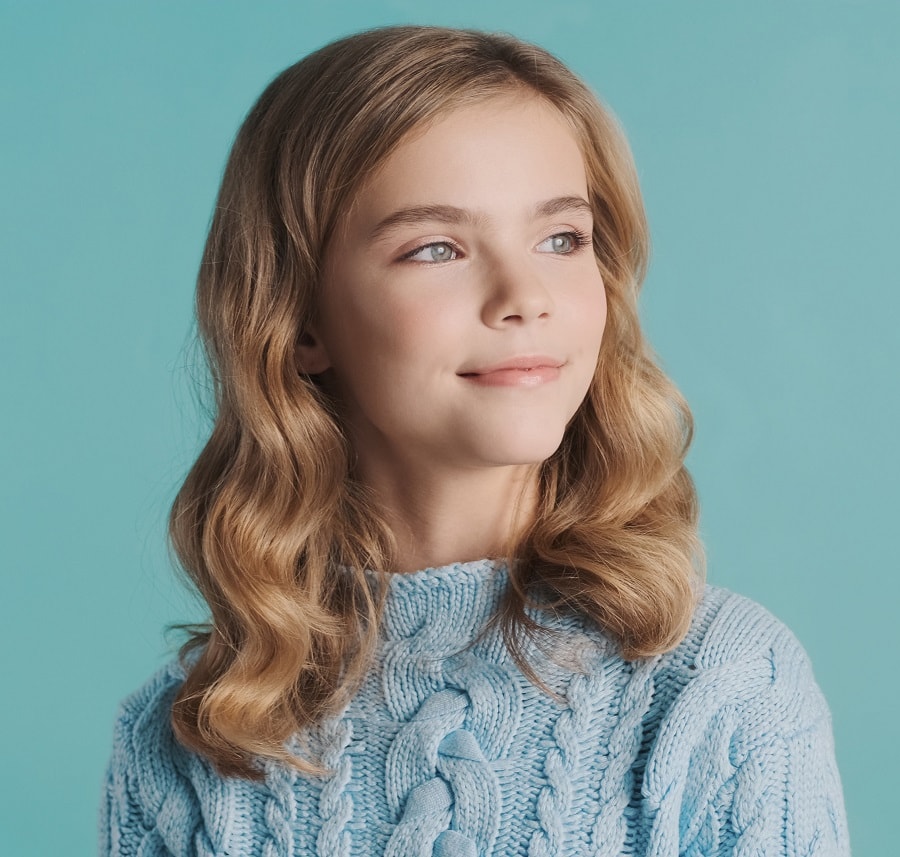
Caramel blonde sits between light and dark, which makes it a safe change if you are unsure. It reads warm and soft, not harsh. It is also flattering on many skin tones because it has golden depth.
11. Blonde Curls with Shadow Roots
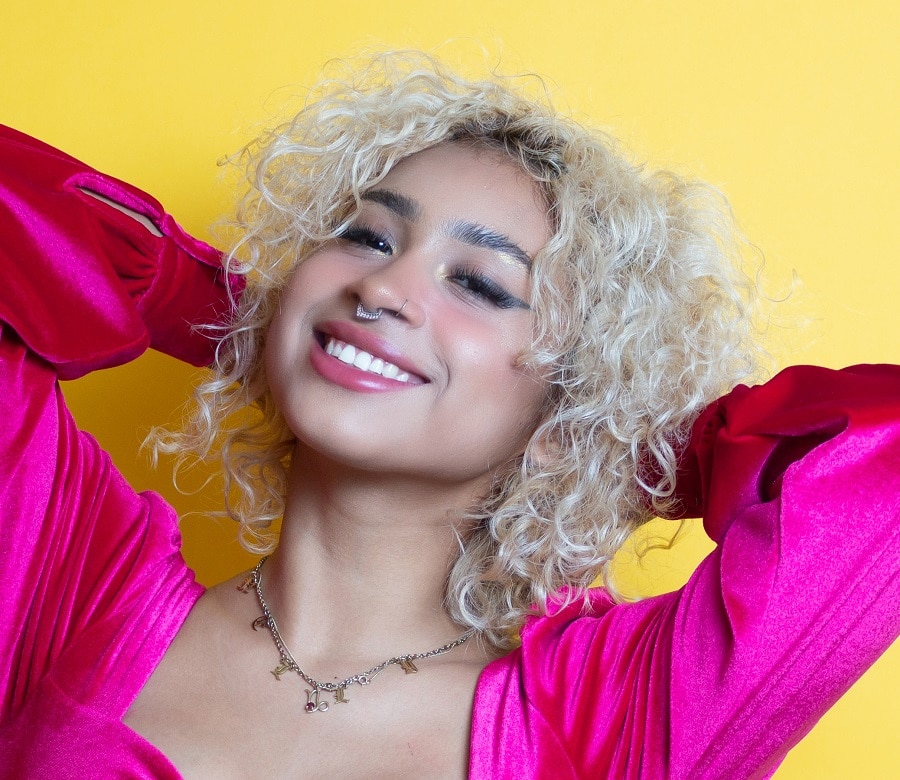
This idea keeps the roots slightly deeper and brightens the rest. The darker root area adds dimension and can make maintenance easier. On curls, the mix of tones helps texture stand out.
12. Brown-to-Blonde Ombre with Bangs
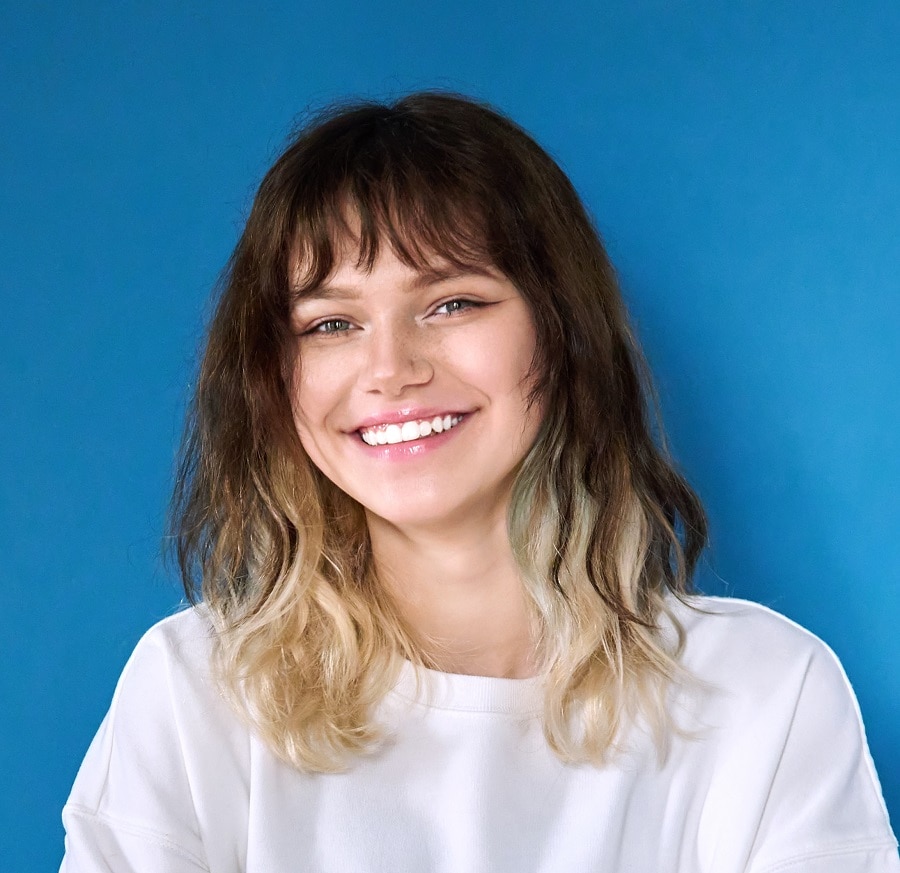
If you cannot choose between brunette and blonde, bronde gives you both. The blend looks natural and easy, especially on wavy hair. It adds brightness without looking overly light.
13. Red-Orange Ombre with Yellow Ends
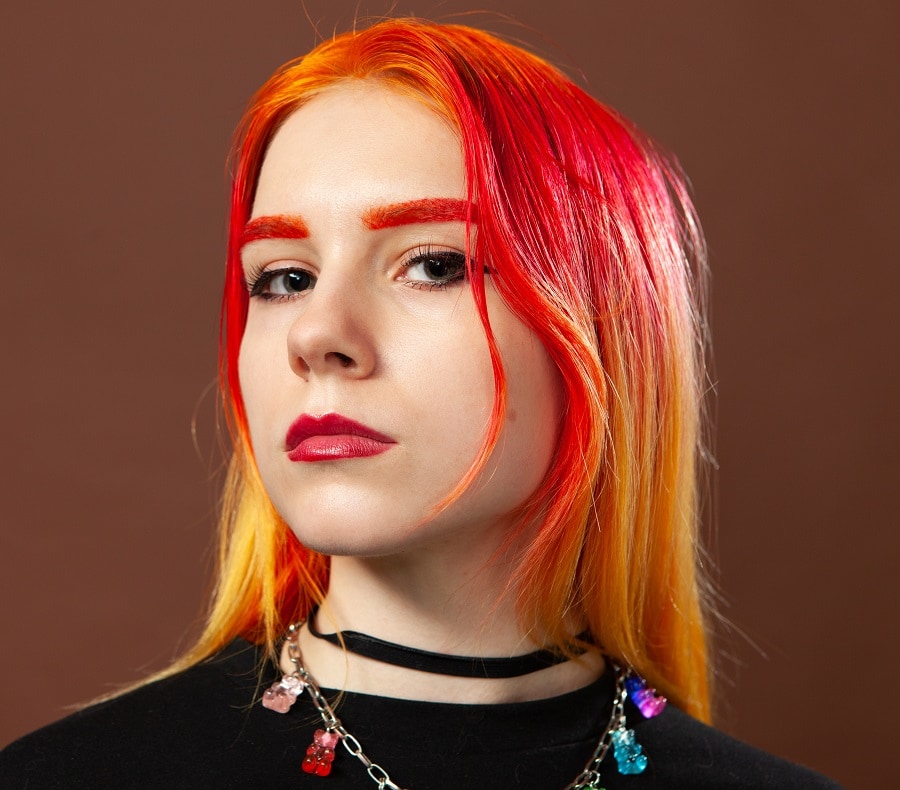
Orange-based shades can look striking because they reflect light so well. This one blends vivid red and orange upper sections into bright yellow ends for a bold, creative result. If you want attention in a good way, this is it.
14. Warm Brown Hair with Curled Ends
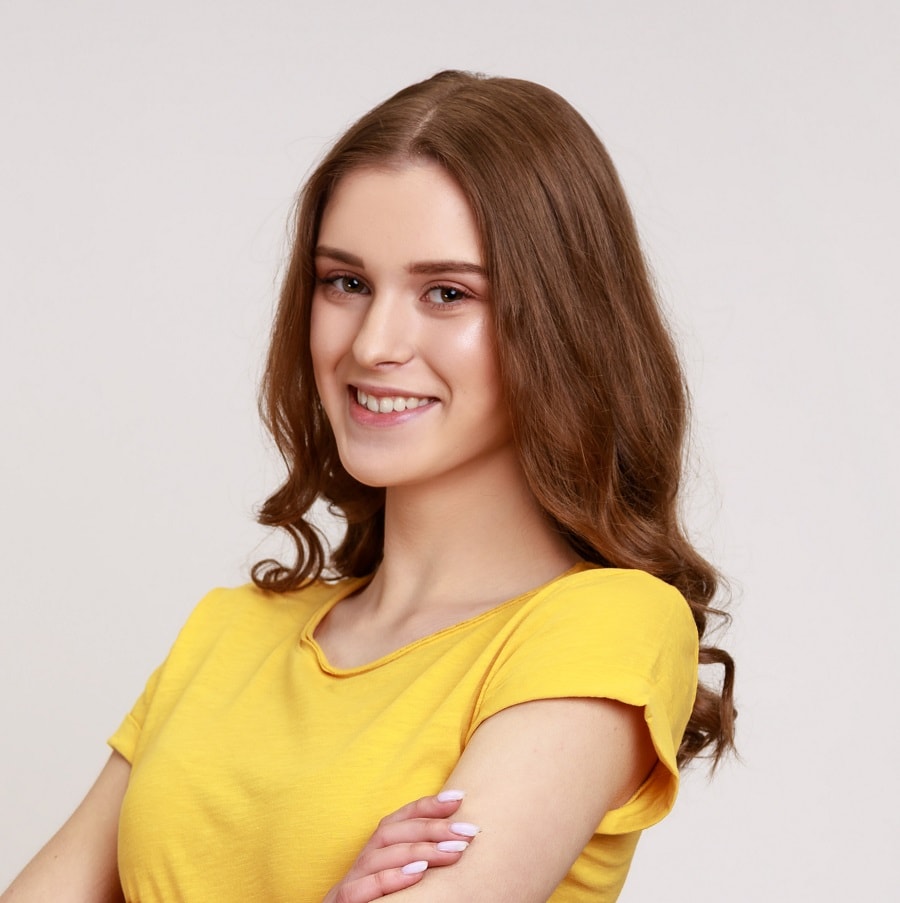
Warm brown is the easy “looks good on everyone” option. It suits short, medium, and long lengths and works across many natural bases. If you want simple but elevated, this is a strong pick.
15. Lavender Curls with a Shaved Side
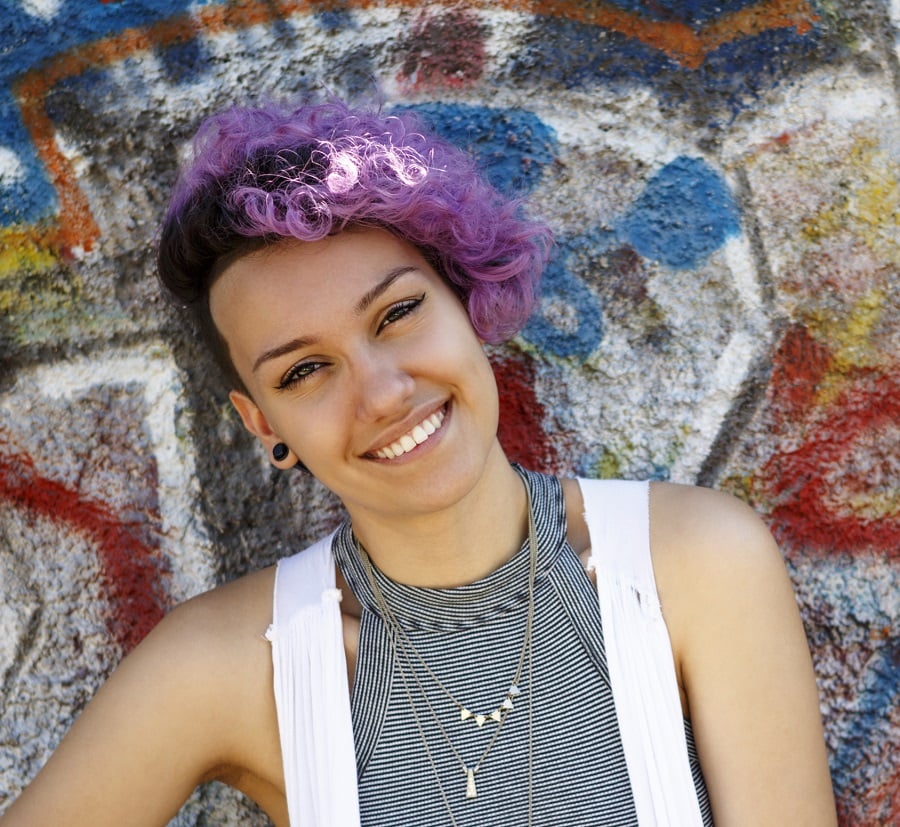
Lavender is a fresh pastel option that can completely change the mood of your look. It works best when the tone is kept soft and even. If you want something different but still pretty, lavender is a great finish.
Before dyeing your hair, it’s best to talk with a parent or guardian and, if possible, a stylist. If you need a more subtle start, pick one of the softer options first. If the people around you are comfortable with it, you can always go bolder later.