

The phrase “Karen haircut” is internet slang, not a salon term. Online, it usually points to a very specific short haircut: a sharply angled, heavily stacked bob or pixie-bob with a high crown, long side bangs, and high-contrast color.
But behind the meme is a real haircut structure: the inverted bob, sometimes called an angled bob, graduated bob, or asymmetrical bob. When it is cut softly and blended well, this shape can look polished, modern, and chic. When the angle, crown volume, and color contrast are pushed too far, it can look dated or severe.
This guide breaks down the haircut from a professional design perspective so you know what the “Karen haircut” actually is, why it became recognizable, and how to ask your stylist for a modern version without the harsh, outdated finish.
Quick Answer: What Is a Karen Haircut?
A “Karen haircut” usually refers to a short, stacked, asymmetrical inverted bob with a very short back, longer front pieces, heavy side-swept bangs, strong crown volume, and often chunky blonde highlights over a darker base.
The haircut itself is not bad. The dated effect usually comes from the combination of three things: an extreme back-to-front angle, stiff stacked layers at the crown, and high-contrast color that is not blended.
Where the Term “Karen Haircut” Came From
The name “Karen” became widely used online as a meme for entitled or demanding behavior. Because the term can be insulting and culturally loaded, it is better to use it carefully and avoid using it to mock a person’s age, gender, race, or appearance.
In hairstyle discussions, the phrase became attached to a short, dramatic bob shape that was popular in the late 2000s and early 2010s: short and spiky in the back, long and angled in the front, and often paired with bold highlights. The technical haircut underneath the meme is usually an inverted bob, asymmetrical pixie-bob, or heavily graduated bob.
What Makes a Haircut Look Like the Meme Version?
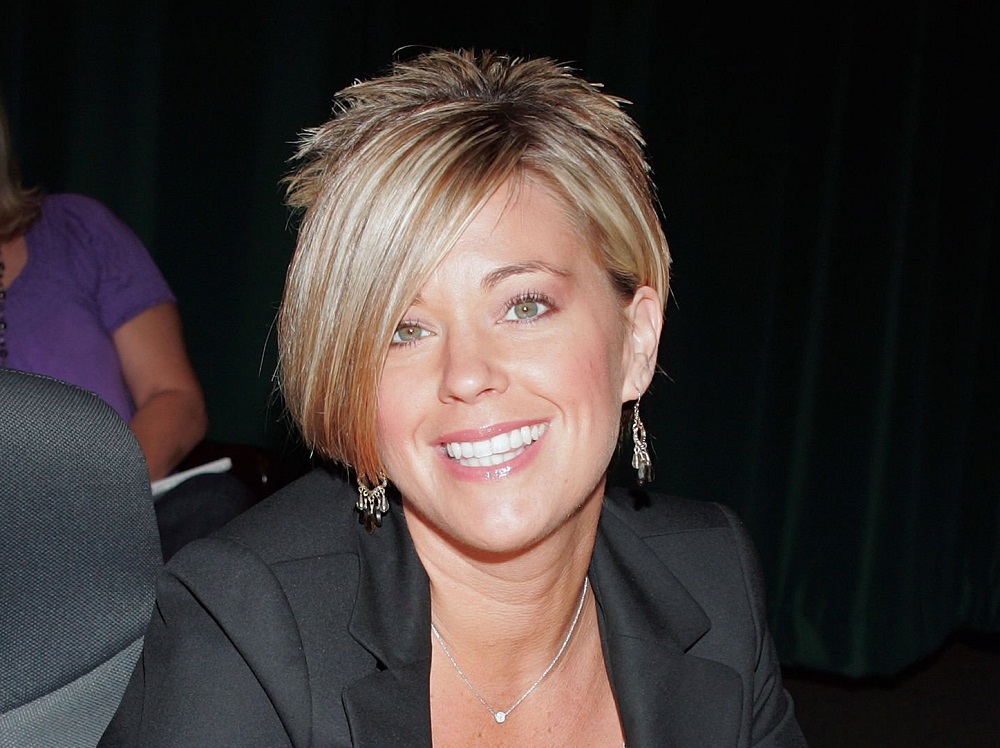
The recognizable “Karen haircut” look is created by a few design choices working together. None of these elements is automatically wrong, but when they are all exaggerated at once, the haircut can look hard, stiff, or outdated.
1. A Steep Angled Perimeter
The back is cut very short at the nape, while the front stays around the jawline or chin. This creates a strong diagonal line from back to front. A moderate angle can look elegant. An extreme angle can make the shape feel severe.
2. Heavy Stacked Layers at the Crown
The back often has short, stacked interior layers that push the hair upward. This can help fine hair look fuller, but too much stacking creates a round, puffy wedge shape at the back of the head.
3. Long, Heavy Side Bangs
Long side-swept bangs can be beautiful on short hair, but the meme version usually has thick, solid bangs that cut across the forehead and cover one side of the face. A softer face frame or curtain bangs feel more current.
4. High-Contrast, Unblended Highlights
The classic internet version often includes heavy blonde foils over a darker base. When the highlights are thick and stripe-like instead of softly blended, the color can make the cut look sharper and more dated.
How to Make an Inverted Bob Look Modern Instead
If you like short angled haircuts, you do not have to avoid the shape completely. The modern version is softer, more blended, and more customized to your hair texture.
Soften the Angle
Ask for a gentle diagonal from the nape to the front instead of an aggressive slope. Keeping the front slightly below the chin and the back closer to the nape creates shape without making the cut look overly dramatic.
Texturize the Layers
Point-cutting, slide-cutting, and soft surface layering help the hair move naturally. Blunt, short layers stacked tightly at the crown create a stiff rounded shape, while textured layers make the cut feel lighter and more wearable.
Choose Blended Color
Swap chunky foil stripes for a root smudge, soft balayage, fine babylights, or a dimensional brunette or blonde blend. The goal is color that grows out softly and supports the shape instead of creating hard contrast lines.
Style It With Movement
A modern short bob does not need to be flat-ironed into a helmet shape. Try a round brush only at the root, then use a light texture spray or styling cream through the ends. For wavy or curly hair, use curl cream and diffuse or air-dry instead of brushing the curl pattern out.
What to Ask Your Stylist For
Bring reference photos and use salon language instead of relying only on the phrase “Karen haircut.” A clear request might sound like this:
“I like the structure of an inverted bob, but I want it soft and modern. Please keep the back graduated but not over-stacked, soften the front angle, blend the fringe into the face frame, and avoid chunky high-contrast highlights.”
If your hair is fine, ask for enough graduation to build shape without over-layering the crown. If your hair is thick, ask your stylist to remove bulk from underneath and keep the surface layers soft. If your hair is curly, ask for a shape that works with your curl pattern instead of a straightened version of the cut.
What to Avoid If You Do Not Want the Dated Version
- A very short, spiky, over-stacked back with a long heavy front
- Too much teased height at the crown
- Chunky, unblended blonde highlights against a dark base
- A stiff flat-ironed finish with no movement
- Side bangs that are too thick, too long, or disconnected from the rest of the cut
Style Breakdown: 15 Short Cuts and How to Modernize Them
| Element | The Outdated Approach | The Modern Approach |
|---|---|---|
| The Perimeter Line | Steep, aggressive, disjointed drop from back to front. | A softer, subtle, more uniform architectural slope. |
| Layering Style | Choppy, blunt, heavily teased crown layers. | Point-cut or slide-cut seamless internal weight removal. |
| Bangs / Fringe | Stiff, flat-ironed, heavy side-swept bangs. | Soft, texturized curtain bangs or breezy wispy bangs. |
| Color Technique | Chunky, high-contrast, brassy foil stripes. | Hand-painted balayage, lived-in root smudges, or tonal melts. |
The examples below show different versions of short stacked, angled, and asymmetrical cuts. Instead of judging the person or the haircut, focus on the design elements: angle, volume, bangs, texture, and color placement.
1. Spiked Graduated Bob
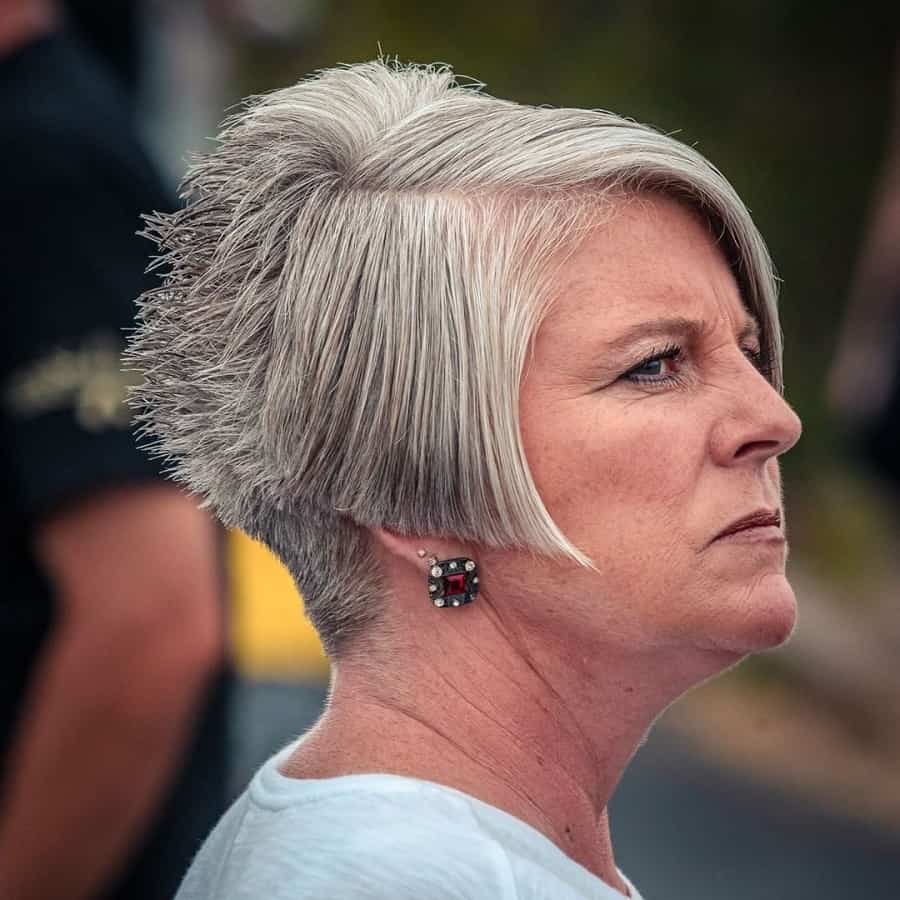
This cut has the classic short-back, long-front shape with a spiked crown. To make it current, keep the graduation but soften the crown with textured layers instead of sharp spikes. A slightly longer nape also makes the shape easier to style.
2. Boldly Colored Angled Bob
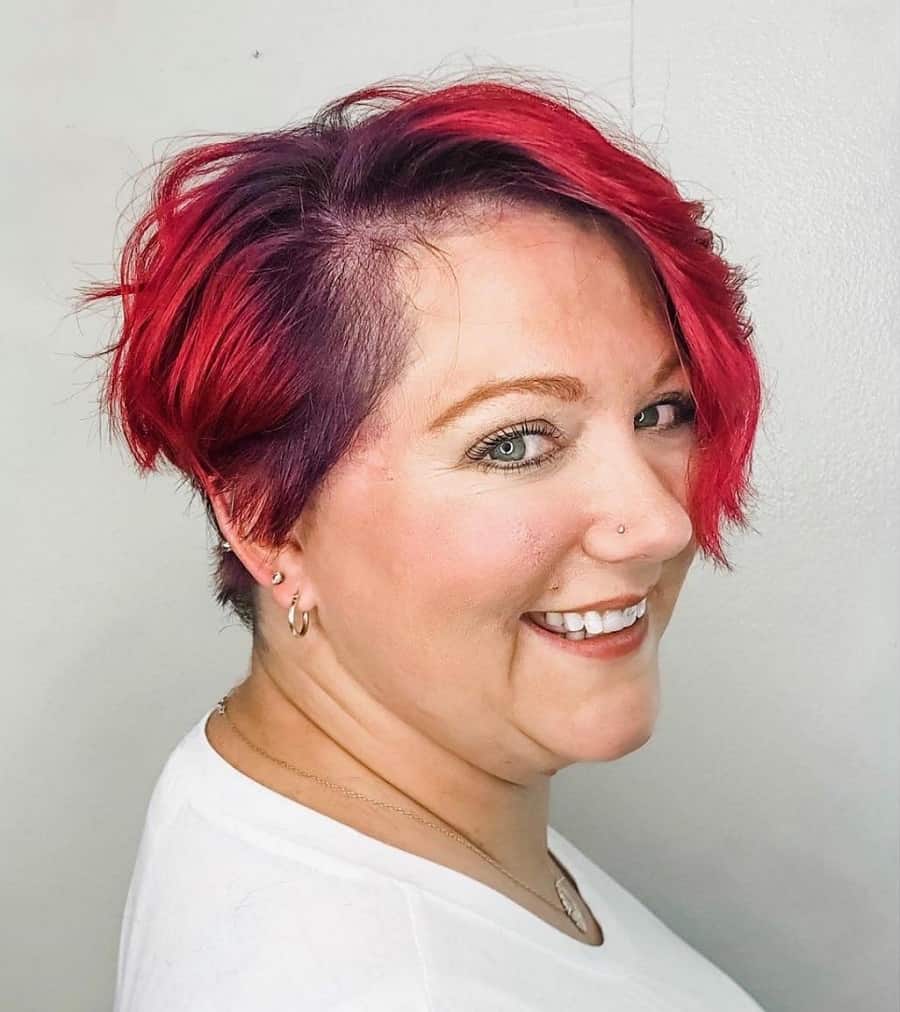
The vivid red and purple color is fun, but the sharp asymmetry and short stacked back make the silhouette very strong. A more modern version would keep the creative color while softening the front angle and adding movement through the ends.
3. Sharp Asymmetrical Pixie-Bob
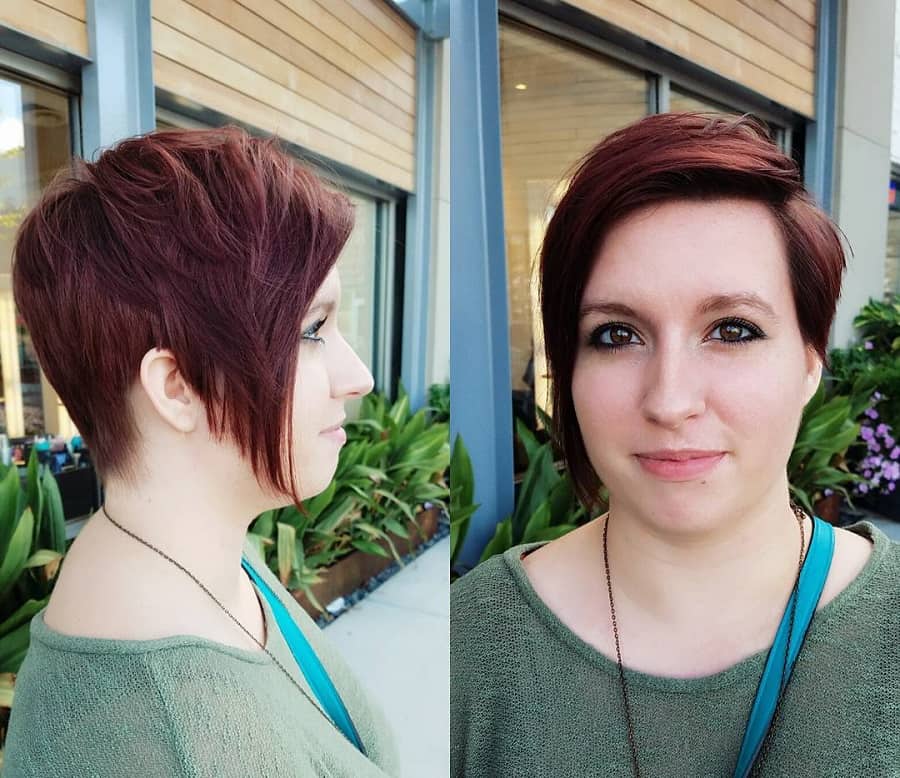
This shape combines a pixie, bob, and asymmetrical side bangs. The update is all about blending: connect the short back into the longer side pieces with softer layers so the haircut looks intentional instead of disconnected.
4. Textured Stacked Bob

This version has a useful shape for adding fullness, especially around the back. The key is controlling the teasing. A smoother crown, soft layers around the face, and a slightly longer outline would make the cut feel more refined.
5. Curly Inverted Bob
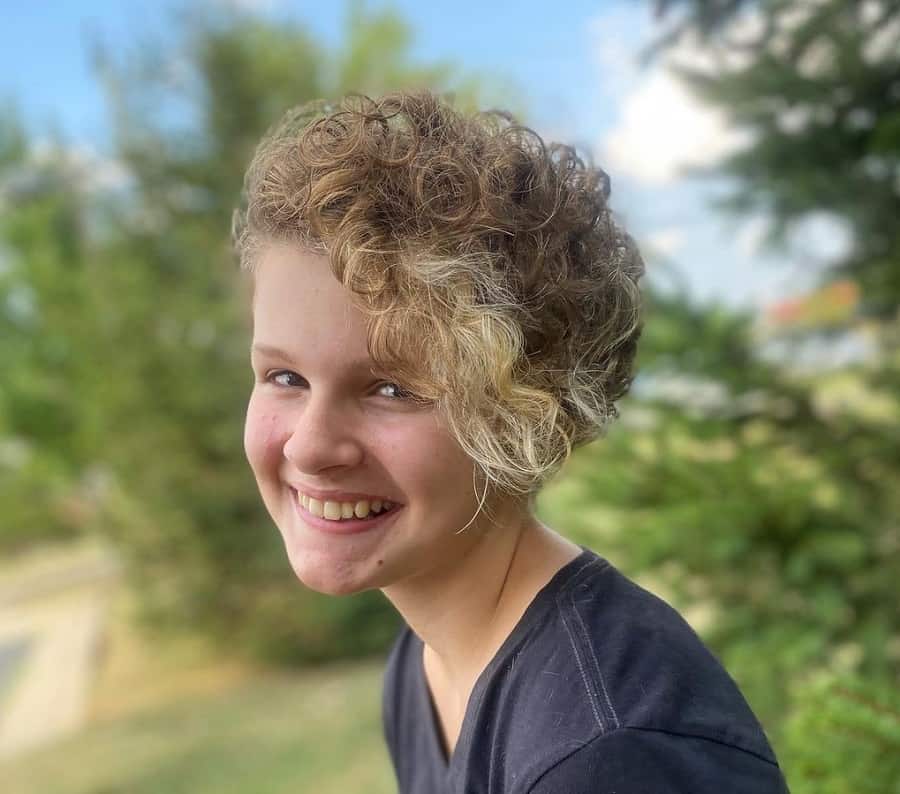
Curly hair can wear an angled bob beautifully, but the shape needs to be cut for the curl pattern. Avoid brushing curls into a triangular or stretched shape. Use curl cream on damp hair, scrunch, and let the layers form naturally.
6. Rainbow Layered Pixie
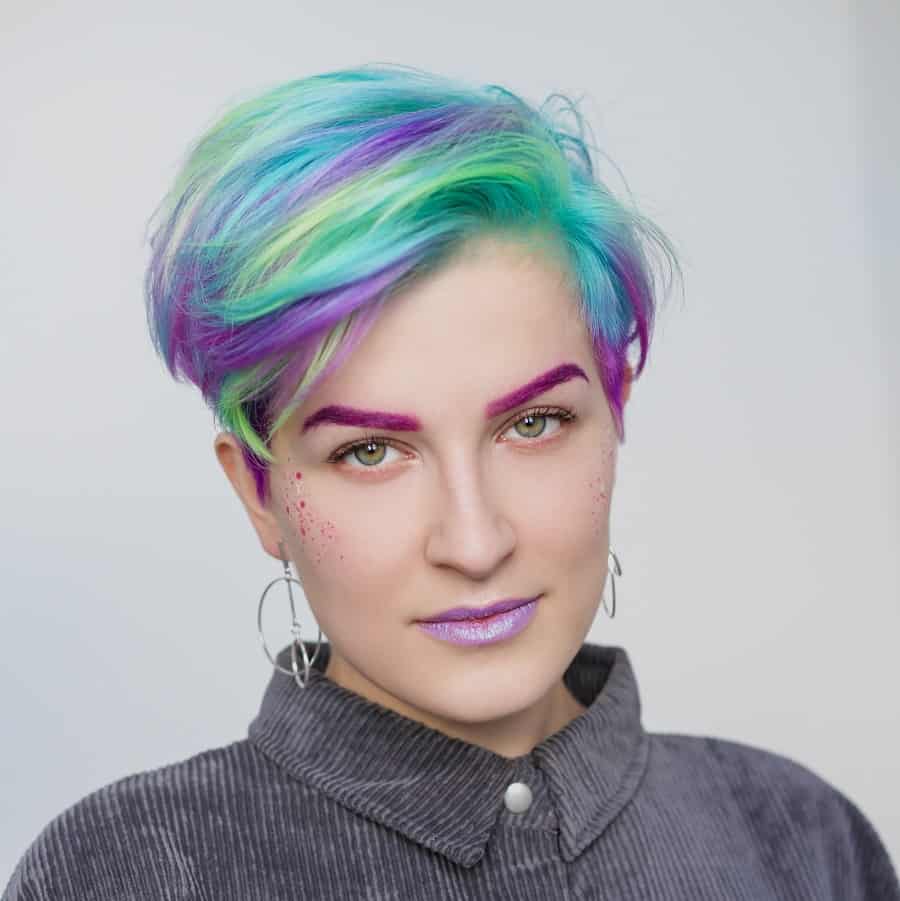
The color is playful and expressive. To keep the cut feeling fresh, balance the shape by leaving a little more softness on both sides or styling the front pieces away from the face for a lighter finish.
7. Blonde Rounded Bob
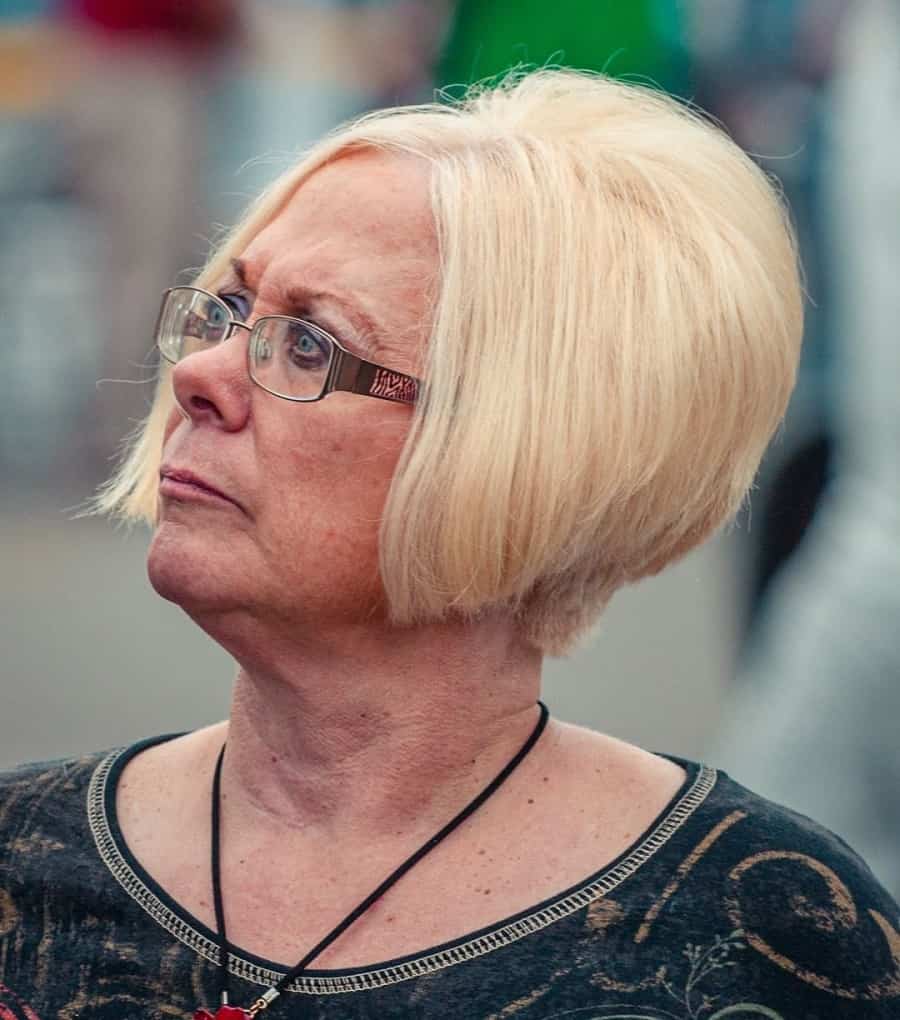
Light blonde can brighten a short cut, but a very rounded, teased crown can make the back look too solid. A modern version would keep the blonde but reduce the bubble shape with softer layering and less backcombing.
8. Long Side-Swept Bangs
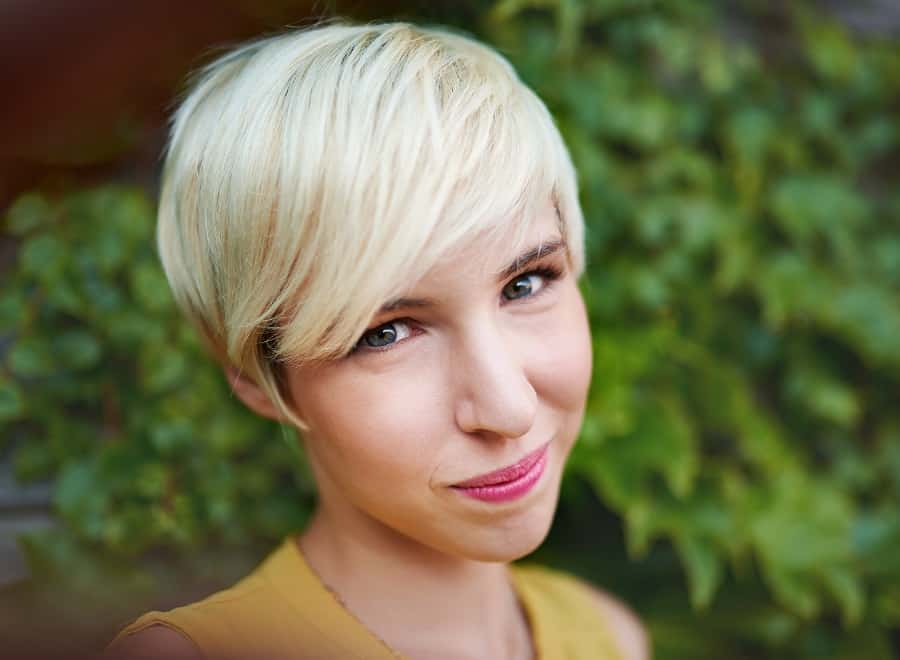
Side bangs can flatter a pixie or bob, but they should connect to the rest of the haircut. Ask for face-framing pieces that blend into the sides instead of one heavy front panel.
9. Dramatic Textured Bob Wig
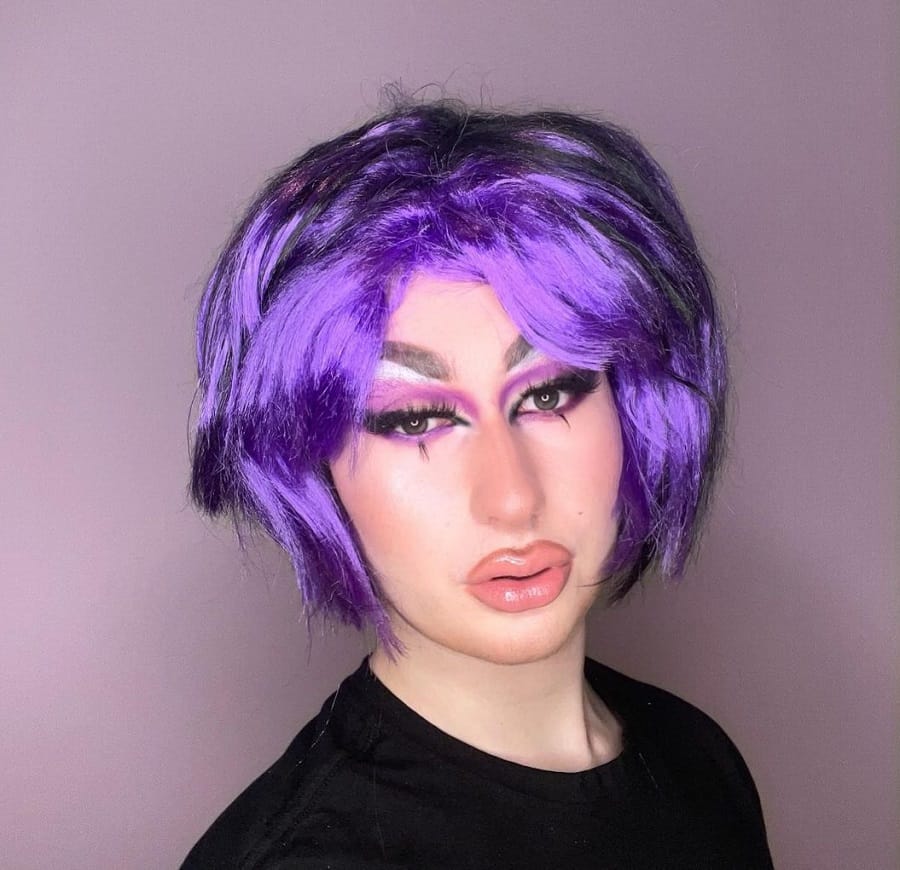
This look is theatrical by design. For everyday wear, the same idea can be softened with a less sculpted top, smoother side blending, and a texture product that separates the ends without making the shape look stiff.
10. Extra-Long Front Pieces
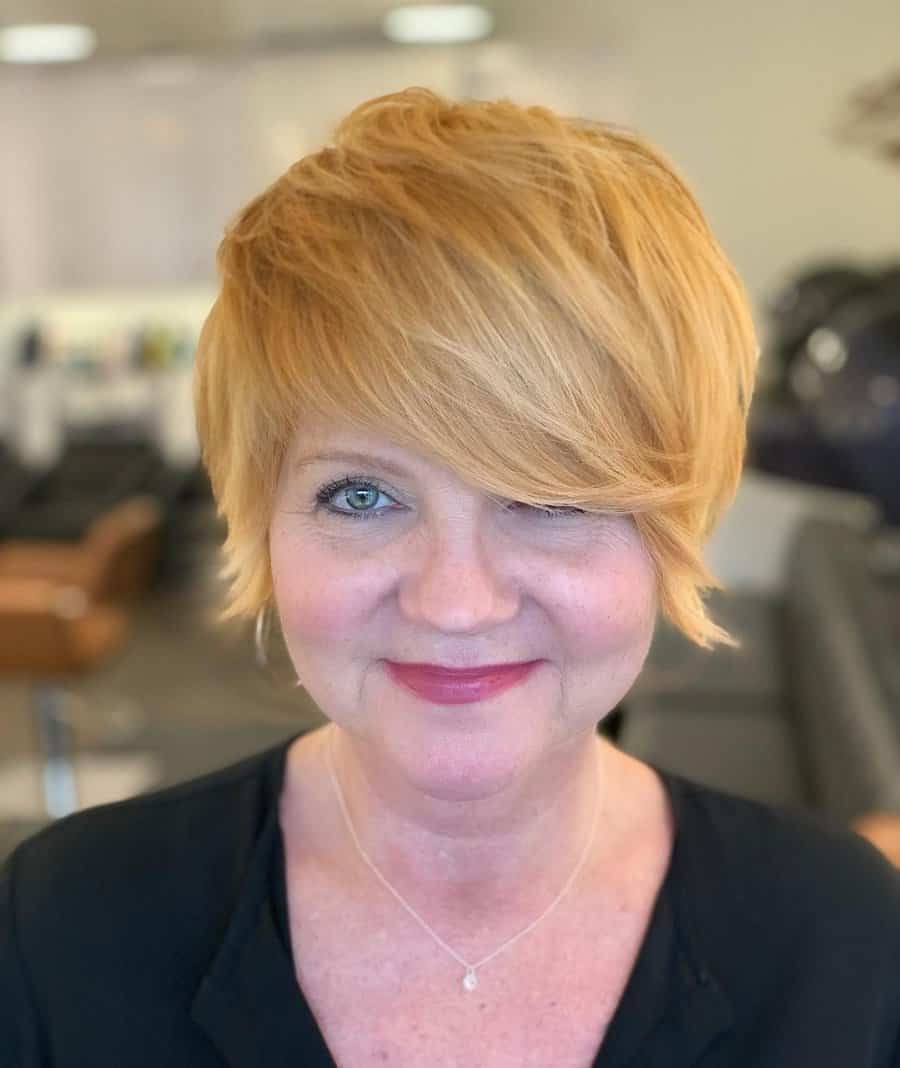
The extra-long front and very short back create a strong contrast. To make this more wearable, reduce the front length slightly or add longer layers through the sides so the front does not feel separate from the rest of the cut.
11. Mixed-Texture Pixie-Bob
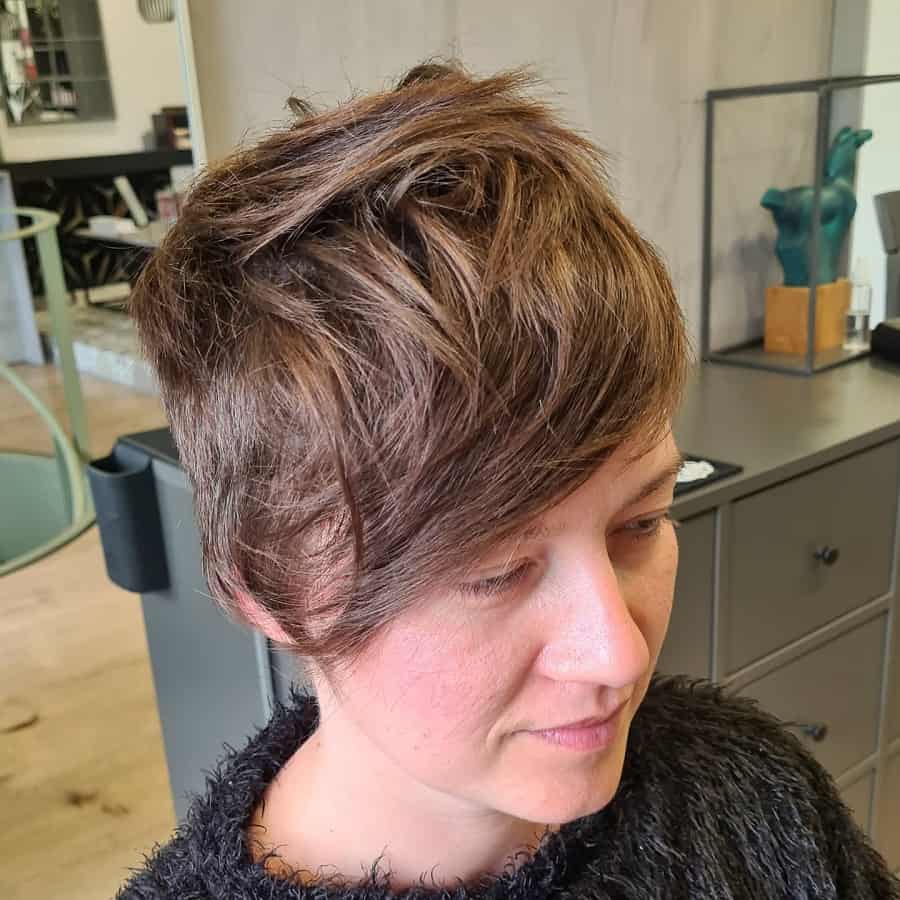
This cut has several directions and textures happening at once. Pick one finish (smooth, tousled, or softly waved) and style the whole cut in that direction so the shape looks deliberate.
12. Pixie with Contrasting Textures
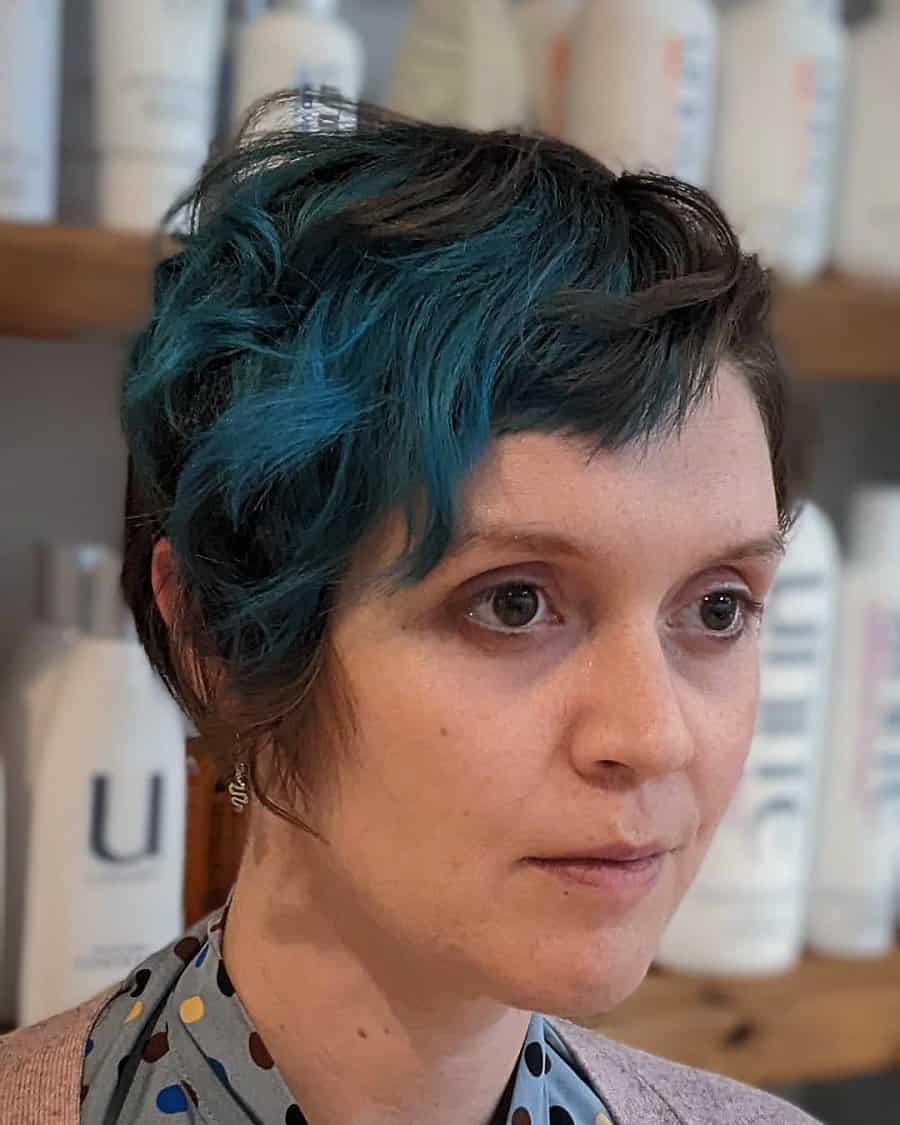
Color contrast can look striking, but the texture should feel cohesive. Instead of placing defined curls over very straight pieces, use soft waves throughout or keep the whole pixie sleek with a polished finish.
13. High-Volume Stacked Bob
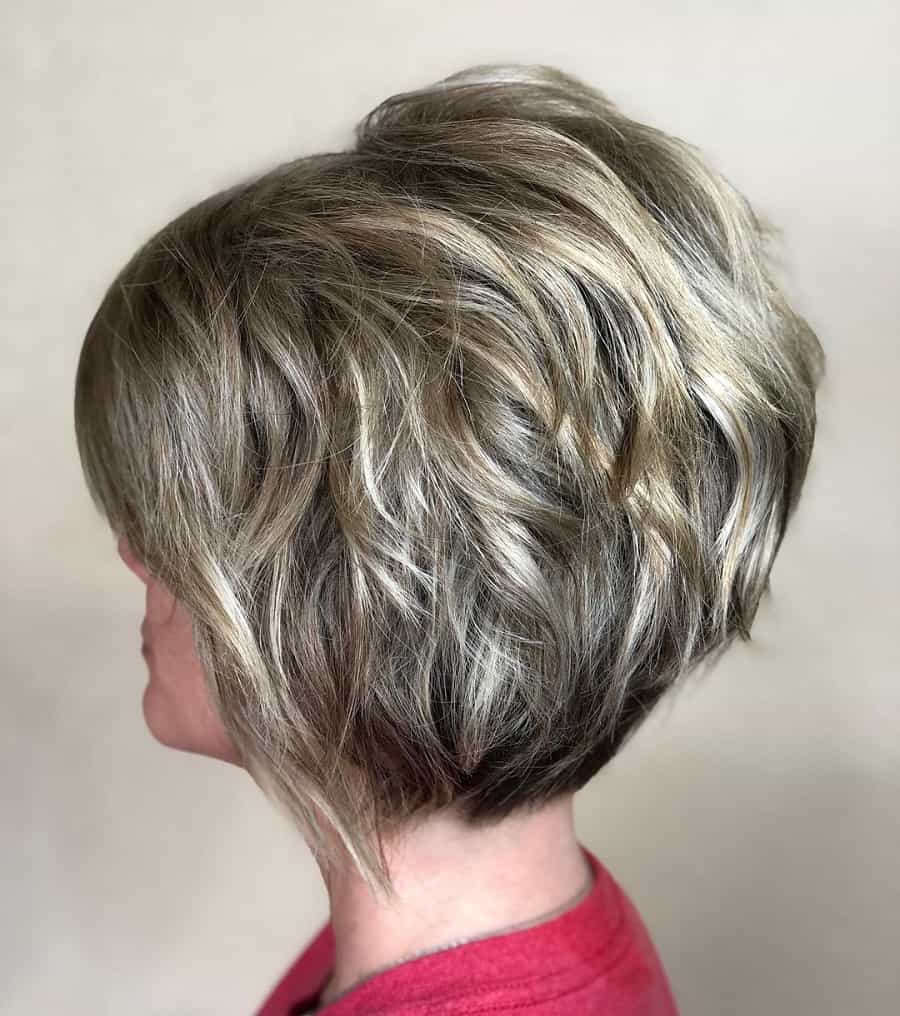
A stacked bob is designed to create volume, but too much height can overpower the shape. Ask for soft graduation and a root-lift product instead of heavy teasing.
14. Sculpted Highlighted Pixie-Bob
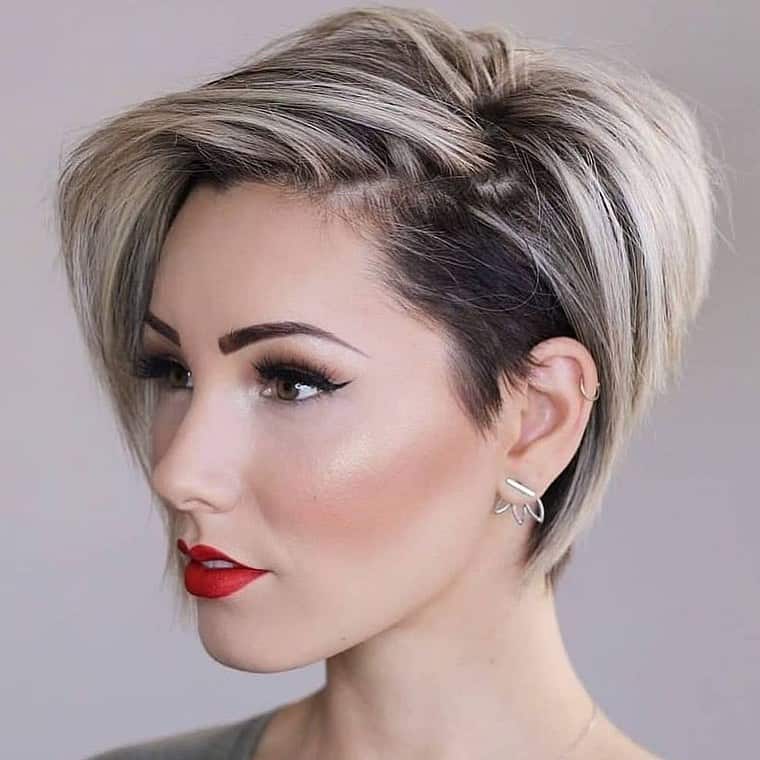
This cut has strong sculpting, visible layering, and high color contrast. To update it, keep the short shape but reduce the stiffness: fewer short surface layers, softer bangs movement, and blended highlights or balayage instead of blocky contrast.
15. Dark Brown Angled Pixie-Bob
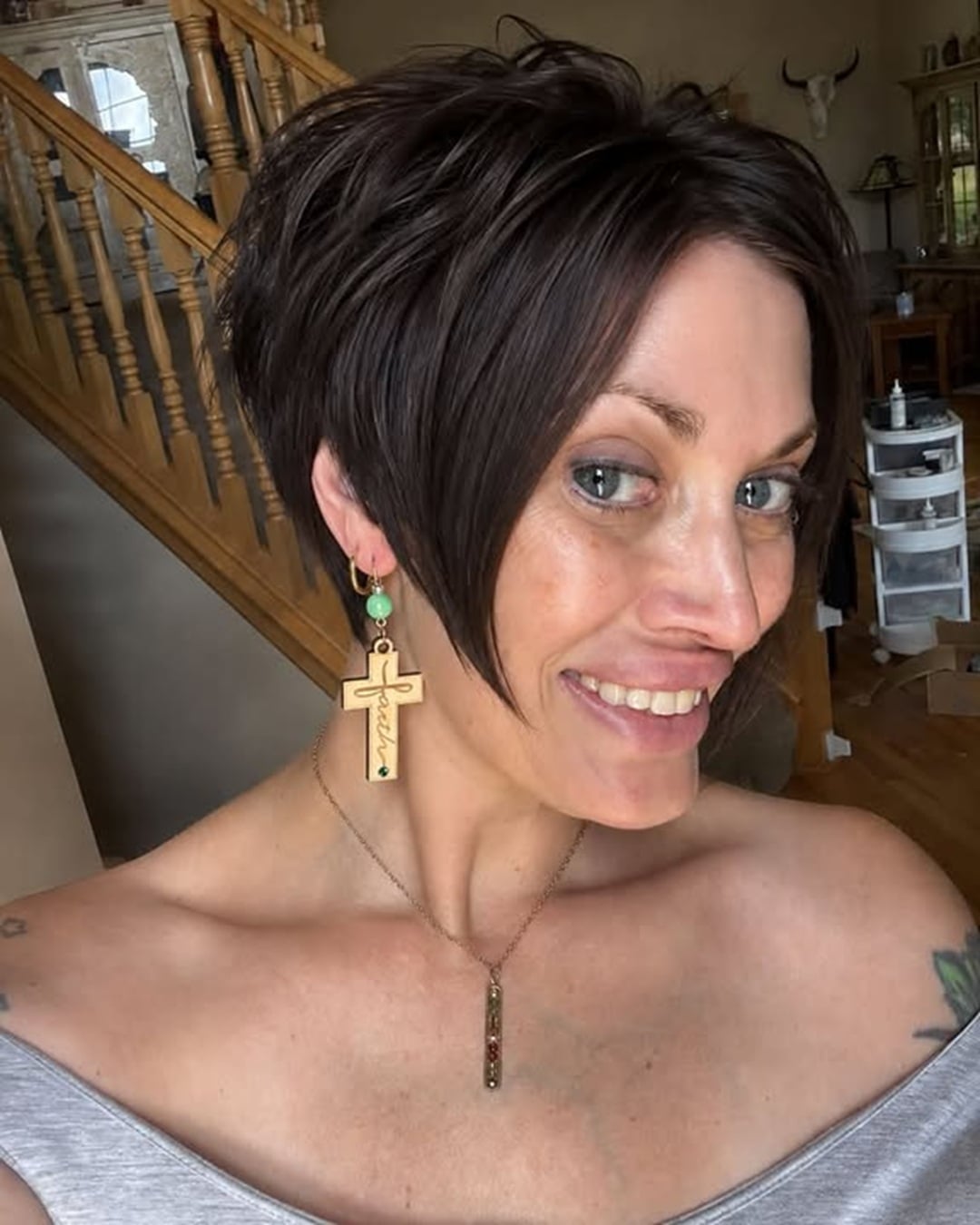
This dark brown stacked pixie bob features short layered crown volume that tapers down into soft, face-framing side angles. The stacked back adds natural shape and body without requiring heavy daily styling. It is a sleek, low-maintenance option for a modern take on short angled cuts.
Modern Alternatives to the Meme Version
If you want short hair but do not want a severe stacked shape, consider one of these options:
- Soft inverted bob: Shorter at the nape, longer at the front, but with gentle graduation.
- French bob: A shorter, jaw-length bob with a softer outline and less stacking.
- Blunt bob: A clean perimeter with little to no back stacking.
- Textured pixie: Short and modern, but lighter through the top and sides.
- Bixie: A pixie-bob hybrid with a softer grow-out and less dramatic angle.
FAQs About the Karen Haircut
Is the Karen haircut a real haircut?
“Karen haircut” is not a professional haircut name. It is slang for a meme-associated version of a stacked inverted bob, angled bob, or asymmetrical pixie-bob.
Can an inverted bob look modern?
Yes. An inverted bob looks modern when the angle is softened, the layers are blended, the color is dimensional, and the styling has movement instead of a stiff, teased finish.
What hair color makes this cut look more current?
Soft balayage, root smudge, babylights, glossed brunette, dimensional blonde, copper, or blended gray coverage usually feels more current than chunky, high-contrast highlights.
How do I tell my stylist I do not want the dated version?
Say: “I want a soft, modern inverted bob with blended layers, natural movement, and no harsh stacked crown or chunky highlights.” Bring photos of the finish you want and the details you want to avoid.
Is “Karen haircut” an offensive phrase?
The phrase can be insulting because it comes from an internet stereotype. In a salon, it is more respectful and more useful to describe the haircut technically: stacked inverted bob, asymmetrical bob, long side bangs, chunky highlights, or heavy crown volume.
Bottom line: the haircut people call a “Karen haircut” is really an exaggerated version of a stacked inverted bob. If you like the short angled shape, ask your stylist to soften the perimeter, blend the layers, modernize the color, and style it with natural movement.